

Introduction
Starting a running routine can feel exciting and intimidating at the same time, especially when knee discomfort enters the picture. Many new runners abandon their fitness goals because they experience pain that could have been prevented with proper footwear. The right running shoes act as the foundation for comfortable, sustainable running by absorbing impact forces and supporting natural movement patterns.
Knee pain among beginner runners often stems from inadequate shock absorption, improper foot mechanics, or shoes that don’t match individual biomechanics. Research shows that the average runner’s foot strikes the ground approximately 1,000 times per mile, with impact forces reaching two to three times body weight. Without appropriate cushioning and support, these repetitive forces travel upward through the joints, frequently manifesting as discomfort around the kneecap, inner knee, or outer knee areas.
This guide examines footwear characteristics that help protect knees during the early stages of running development, practical selection criteria, and specific models that consistently receive recognition for knee-friendly features.
Understanding the Connection Between Footwear and Knee Health
The biomechanical relationship between feet and knees operates through a kinetic chain. When feet contact the ground, the body must manage substantial forces that transfer through ankles, shins, knees, hips, and the lower back. Shoes designed for runners act as the first line of defense in this impact management system.
Several factors contribute to knee discomfort in new runners. Overpronation, where the foot rolls excessively inward after landing, can create a chain reaction that places stress on the inner knee. Conversely, supination or underpronation, where the foot doesn’t roll inward enough, fails to provide natural shock absorption and can strain the outer knee structures. High-impact forces without adequate cushioning also increase stress on cartilage and surrounding tissues.
Modern running shoes address these concerns through specific design elements. Midsole cushioning materials absorb and disperse impact energy. Stability features guide foot motion to prevent excessive rolling. Heel-to-toe drop influences landing patterns and can reduce stress on specific areas.
Key Features to Prioritize for Knee Protection
Cushioning technology stands as the primary consideration for runners experiencing knee sensitivity. Contemporary foam materials like EVA, gel inserts, air units, and proprietary compounds provide varying levels of shock absorption. Maximum cushioning doesn’t automatically equal better knee protection, but adequate padding helps reduce peak impact forces during the loading phase of each stride.
Stability elements benefit runners whose feet roll excessively inward. Medial posts, guide rails, and density variations in the midsole help control pronation without rigid motion control that characterized older shoe designs. These features support natural movement while preventing biomechanical extremes that stress knee joints.
The heel-to-toe drop measurement, which indicates the height difference between the heel and forefoot, affects how the body positions itself during landing. Drops ranging from 8 to 12 millimeters encourage heel striking with reduced strain on the Achilles tendon, though they may increase some knee loading. Lower drops of 4 to 6 millimeters promote midfoot striking, which can decrease knee impact but requires stronger calf muscles and gradual adaptation.
Proper fit surpasses all other considerations. Shoes should provide a thumb’s width of space beyond the longest toe, secure heel containment without slipping, and comfortable width across the midfoot without pressure points. Ill-fitting shoes alter natural gait patterns, potentially creating or exacerbating knee problems.
Evaluating Your Foot Type and Running Style
Understanding individual foot mechanics helps narrow appropriate shoe selections. The wet test provides a simple assessment method. After wetting the bottom of a foot and stepping on a surface that shows the footprint, the arch pattern becomes visible. A complete footprint indicates flat feet that typically overpronate. A thin connection between heel and forefoot suggests normal arches with neutral pronation. Minimal connection or separate heel and forefoot marks indicate high arches that usually supinate.
Gait analysis at specialty running stores offers more precise evaluation. Staff members observe running mechanics on treadmills and can identify specific movement patterns. Some facilities use video analysis or pressure mapping technology for detailed assessment. While not essential, professional gait analysis removes guesswork from the selection process.
Running surface considerations also matter. Treadmill running generates different impact characteristics compared to concrete sidewalks, asphalt roads, or trail terrain. Beginners who primarily run on hard surfaces benefit from enhanced cushioning, while those on varied terrain might prioritize stability and protection features.
Top Shoe Recommendations for Knee-Sensitive Beginners
Several models consistently receive recognition for combining beginner-friendly characteristics with knee protection features. The Brooks Ghost series offers balanced cushioning, smooth transitions, and moderate stability suitable for neutral to mild overpronators. The DNA Loft foam provides soft landings without feeling unstable, and the segmented crash pad adapts to different landing angles.
ASICS Gel-Nimbus provides maximum cushioning through gel technology in both heel and forefoot areas. The thick, plush midsole excels at impact absorption, making it popular among heavier runners or those with significant knee sensitivity. The engineered mesh upper accommodates various foot shapes without creating pressure points.
Hoka One One Clifton brings maximal cushioning in a surprisingly lightweight package. The oversized midsole creates substantial ground clearance and impact protection while the Meta-Rocker geometry encourages smooth, efficient transitions that reduce stress on joints. Despite their appearance, these shoes feel nimble rather than clunky.
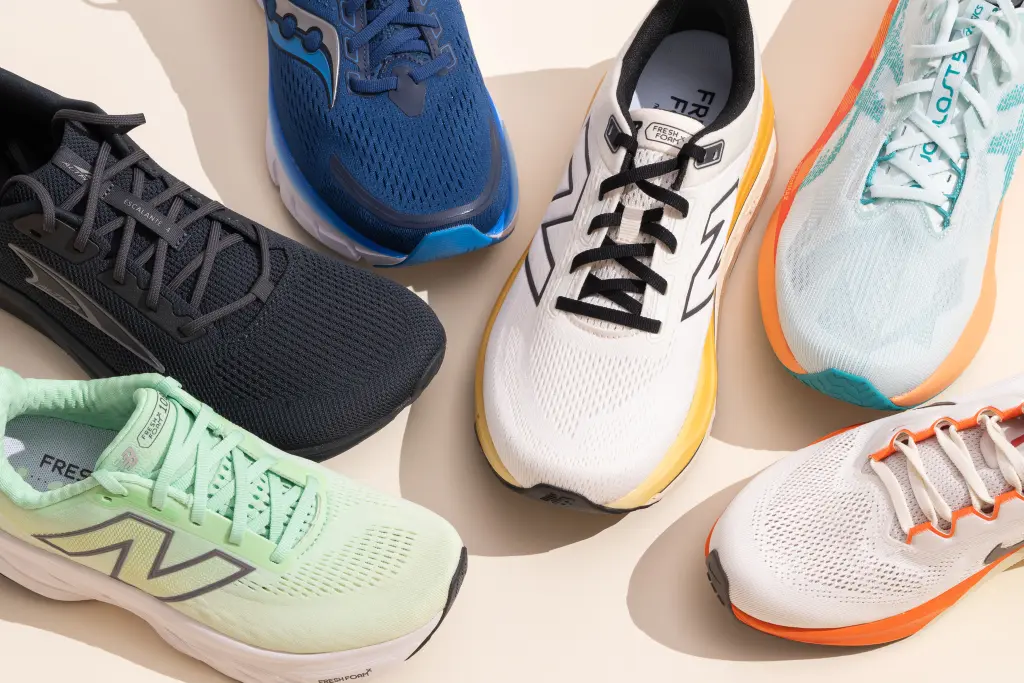
New Balance Fresh Foam 1080 combines generous cushioning with data-driven design. The Fresh Foam midsole provides soft, responsive cushioning, while the blown rubber outsole enhances flexibility. The roomy toe box accommodates feet that swell during longer runs, preventing constriction that can alter natural mechanics.
Saucony Triumph offers plush PWRRUN cushioning throughout the midsole for luxurious impact protection. The moderate 8-millimeter drop suits most running styles, and the padded collar adds comfort without weight. Runners transitioning from walking particularly appreciate the forgiving ride quality.
Nike React Infinity Run was specifically designed to reduce injury risk. Research conducted by Nike showed decreased injury rates among runners wearing this model compared to their previous neutral shoes. The wider base enhances stability, while React foam delivers responsive cushioning that maintains its properties across numerous miles.
Practical Shopping and Selection Tips
Timing shoe shopping for late afternoon or early evening accounts for natural foot swelling that occurs throughout the day. Feet expand during activity, so purchasing shoes when feet are at their largest ensures proper fit during actual runs. Bringing existing running socks to the store creates accurate size assessment.
Testing shoes on hard surfaces rather than carpet better simulates actual running conditions. Walking and jogging around the store, including turns and stopping motions, reveals potential issues with fit, stability, or comfort that aren’t apparent while standing still. Many specialty retailers allow outdoor test runs or offer return policies for lightly used shoes.
Breaking in new shoes gradually prevents problems. Starting with shorter distances and alternating between new and old shoes allows feet and legs to adapt while monitoring for any discomfort patterns. Completely worn-out previous shoes shouldn’t continue in rotation, but shoes with moderate wear can ease the transition.
Tracking shoe mileage helps maintain appropriate cushioning effectiveness. Most running shoes provide optimal performance between 300 and 500 miles before midsole foam compression and outsole wear compromise their protective qualities. Calendar aging also affects materials; shoes older than one year may have degraded foam even without significant mileage.
Common Mistakes to Avoid
Choosing shoes based solely on appearance or brand loyalty rather than fit and function represents a frequent error. Marketing and aesthetics don’t indicate whether specific shoes match individual biomechanics. Similarly, assuming expensive automatically means better doesn’t hold true; mid-priced shoes often provide excellent quality for beginners.
Ignoring professional guidance when available wastes valuable resources. Staff at specialty running stores possess training in fitting techniques and product knowledge that helps beginners avoid costly mistakes. Online purchasing offers convenience but lacks the personalized assessment that improves selection success rates.
Waiting until existing shoes completely deteriorate before replacement increases injury risk. Worn-out cushioning and degraded stability features compromise knee protection during the weeks or months while delaying new shoe purchases. Monitoring wear indicators and tracking mileage enables proactive replacement.
Selecting shoes with insufficient toe box space causes problems that extend beyond immediate discomfort. Compressed toes alter landing mechanics and push-off efficiency, creating compensatory movement patterns that can stress knees. Brands fit differently; staying open to various manufacturers increases the likelihood of finding optimal fit.
Complementary Strategies for Knee Health
Footwear alone doesn’t guarantee pain-free running. Strengthening exercises targeting muscles around the knee joint improve stability and shock absorption capacity. Quadriceps, hamstrings, hip abductors, and hip rotators all contribute to proper knee tracking during the running motion. Bodyweight squats, lunges, clamshells, and leg raises build these supporting muscle groups.
Gradual training progression prevents overuse injuries. The conventional guideline suggests increasing weekly mileage by no more than ten percent, though individual tolerance varies. New runners benefit from run-walk intervals that allow tissue adaptation before attempting continuous running. Rest days enable recovery and tissue remodeling that strengthens structures over time.
Running surface variety reduces repetitive stress. Alternating between treadmills, tracks, roads, and trails changes impact patterns and engages muscles differently. Softer surfaces like tracks or trails provide natural cushioning that complements shoe technology, though they may present other challenges like uneven footing.
Proper warm-up routines prepare tissues for activity demands. Dynamic stretching, gentle movement drills, and starting runs at easy paces increase blood flow and tissue pliability. Post-run static stretching maintains flexibility in muscles that can influence knee mechanics when tight, particularly hip flexors, quadriceps, hamstrings, and calf muscles.
When to Seek Professional Medical Assessment
Persistent knee pain despite appropriate footwear and training modifications warrants medical evaluation. Sharp, stabbing sensations, swelling that doesn’t resolve with rest, catching or locking sensations, or pain that worsens progressively may indicate structural problems requiring diagnosis and treatment. Physical therapists specializing in running injuries can identify specific mechanical issues and prescribe corrective exercises.
Underlying conditions like patellofemoral pain syndrome, IT band syndrome, meniscus damage, or arthritis produce symptoms that footwear alone cannot address. Early intervention typically yields better outcomes than continuing activity through pain. Conservative treatments including physical therapy, activity modification, and targeted strengthening resolve many common running-related knee problems.
Biomechanical assessments from sports medicine professionals or certified running coaches provide detailed analysis beyond retail store evaluations. These specialists identify subtle gait abnormalities and can recommend specific interventions, including custom orthotics if necessary. While not every beginner requires this level of analysis, those experiencing recurrent problems benefit from comprehensive evaluation.
Frequently Asked Questions
How much should beginners expect to spend on quality running shoes that protect knees?
Quality running shoes appropriate for knee protection typically range between 110 and 180 dollars at full retail price. This price point reflects the research, development, and materials that create effective cushioning and support systems. Shoes below this range often use lower-quality foams that compress quickly or lack the structural features that guide proper foot motion. However, budget-conscious runners can find excellent options through outlet stores, previous season models, or sales events that reduce prices by 30 to 50 percent. The key consideration involves prioritizing fit and appropriate features over absolute cost. A 130-dollar shoe that perfectly matches individual needs provides better value than a 180-dollar model that doesn’t address specific requirements. Additionally, investing in appropriate footwear prevents potential injury costs including medical treatment, physical therapy, and time away from activity. Beginners should view running shoes as essential equipment rather than optional accessories, budgeting accordingly while seeking good value through informed purchasing.
Can minimalist or barefoot-style shoes work for beginners with knee pain?
Minimalist footwear generally presents challenges for beginners experiencing knee discomfort. These shoes feature minimal cushioning, low heel-to-toe drops, and flexible construction intended to promote natural foot mechanics. While proponents argue that strengthening feet and encouraging forefoot striking reduces joint stress, the transition requires significant adaptation time and carries increased injury risk during the adjustment period. Research shows mixed results regarding injury prevention benefits, with some studies indicating that changing to minimalist shoes doesn’t automatically improve knee loading patterns. Beginners dealing with existing knee sensitivity typically benefit from cushioned, supportive shoes that provide immediate impact protection while building running fitness and tissue resilience. Runners interested in minimalist approaches should first establish consistent running habits, address any knee problems, develop strong foot and lower leg musculature, and then transition extremely gradually over many months under professional guidance. Starting with minimal footwear while experiencing knee pain often exacerbates problems rather than resolving them.
How can runners tell if their shoes are actually helping their knee pain or making it worse?
Monitoring specific indicators helps assess whether shoes provide appropriate support. Pain that decreases or remains stable with consistent shoe use suggests adequate protection, while worsening discomfort indicates potential problems with the footwear choice. Tracking pain patterns in a simple journal reveals trends that might not be obvious from memory alone. Note pain levels before, during, and after runs, along with distances covered and surfaces used. Shoes that help knee issues typically produce noticeable improvement within two to three weeks of consistent use, assuming appropriate training loads. Physical signs also provide clues; uneven wear patterns on shoe outsoles may indicate gait problems that require different features. Excessive wear on inner edges suggests overpronation that needs more stability, while outer edge wear indicates supination requiring neutral cushioning. Additionally, how shoes feel during runs matters; proper footwear should feel comfortable and natural rather than creating awareness of specific pressure points or instability. If uncertainty persists, consulting with physical therapists who specialize in running injuries or certified running coaches can provide objective assessment and recommendations.
Should runners with knee pain choose stability shoes or neutral cushioned shoes?
The appropriate choice depends on individual foot mechanics rather than knee pain alone. Stability shoes incorporate features that control excessive inward rolling of the foot after landing, which helps runners who overpronate. This pronation control can reduce stress on the inner knee caused by poor alignment through the kinetic chain. Runners with neutral or supinated foot motion, however, don’t benefit from stability features and may find them uncomfortable or restrictive. Neutral cushioned shoes provide shock absorption without motion control elements, making them suitable for runners whose feet naturally roll through an appropriate range during the gait cycle. Determining which category fits individual needs requires assessment through the wet test, observation by knowledgeable retail staff, or professional gait analysis. Some runners with knee pain actually need more support than standard stability shoes provide, while others require purely cushioned neutral shoes. Recent shoe designs blur traditional category boundaries, with some models offering adaptive stability that engages only when needed. Starting with an assessment of natural foot motion creates the foundation for appropriate selection rather than assuming knee pain automatically indicates need for stability features.
How often should beginners replace their running shoes to maintain adequate knee protection?
Running shoes require replacement based on both mileage and age. Cushioning materials compress and lose their shock-absorbing properties through repeated impact cycles, typically providing optimal performance between 300 and 500 miles. Lighter runners or those with efficient mechanics may reach the higher end of this range, while heavier runners or those landing heavily might need replacement closer to 300 miles. Calendar age also affects shoes; foam materials degrade over time even without use, breaking down through oxidation and environmental exposure. Shoes older than 12 to 18 months may have compromised cushioning regardless of mileage. Visual inspection reveals some wear indicators including compressed midsole foam visible through vertical creasing, smooth outsole areas lacking tread, upper material breakdown, or the shoe leaning to one side when placed on a flat surface. More subtle signs include runs feeling harder than usual, increased muscle soreness, or minor aches appearing without training changes. Tracking mileage through running apps or simple logs helps anticipate replacement timing. Purchasing new shoes slightly before complete deterioration allows gradual transition and prevents the period of diminished protection that increases knee stress. Beginners building mileage should budget for two to three pairs annually depending on running frequency and distances covered.
Conclusion
Selecting appropriate running shoes represents one of the most important decisions beginners can make for protecting knee health while developing running fitness. The ideal footwear combines adequate cushioning, proper support characteristics matched to individual foot mechanics, appropriate fit, and features that promote natural, efficient movement. No single shoe works for everyone; successful selection requires understanding personal biomechanics, testing options carefully, and prioritizing function over fashion.
Quality shoes designed for running provide the foundation, but they work best as part of a comprehensive approach that includes gradual training progression, strengthening exercises, adequate recovery, and attention to pain signals. Beginners should view initial knee discomfort as information rather than inevitability, using appropriate footwear and smart training practices to build sustainable running habits.
The investment in proper shoes pays dividends through reduced injury risk, improved comfort, and greater likelihood of maintaining long-term running participation. Combined with patience during the adaptation process and willingness to seek professional guidance when needed, the right footwear enables beginners to pursue running goals while protecting joint health for years of enjoyable activity.
About the Author
Sohel is a fitness and wellness writer who focuses on providing practical, research-informed guidance for people beginning their athletic journeys. With extensive experience translating complex biomechanics into accessible advice, Sohel helps readers make informed decisions about equipment, training methods, and injury prevention strategies that support long-term health and performance goals.