

Introduction
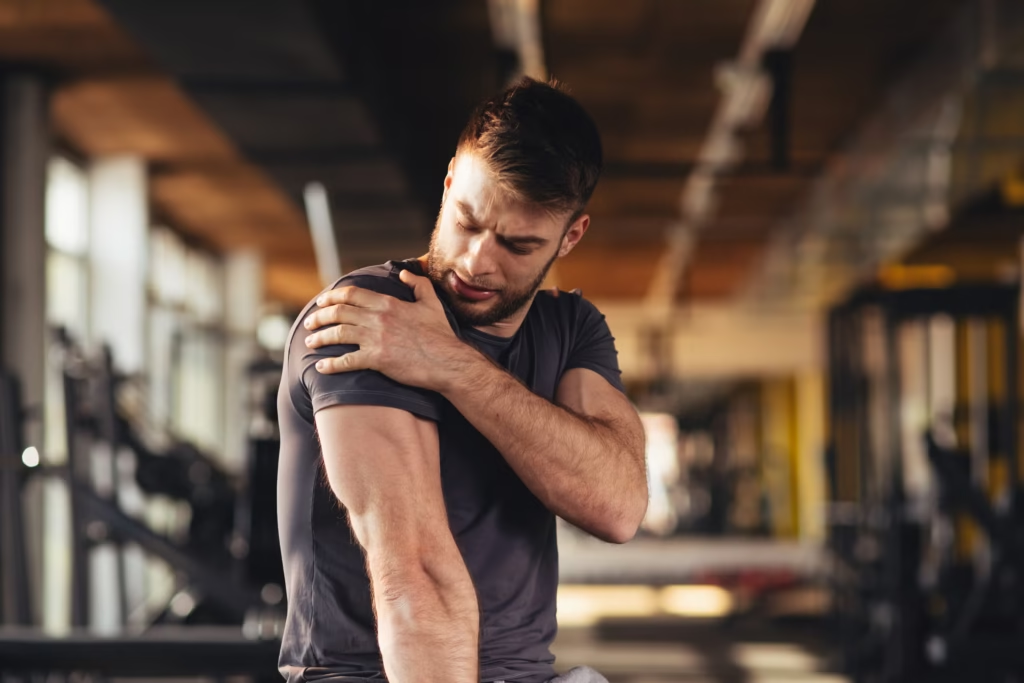
Muscle soreness after exercise can derail training schedules and discourage even dedicated fitness enthusiasts from maintaining consistency. That burning, stiff feeling in the muscles 24 to 48 hours after a workout stems from microscopic tears in muscle fibers, inflammation, and metabolic waste buildup. While some discomfort signals that muscles are adapting and growing stronger, excessive soreness interferes with daily activities and subsequent training sessions.
A strategic recovery routine makes the difference between productive muscle development and prolonged discomfort. The right combination of techniques helps flush out metabolic byproducts, delivers nutrients to damaged tissue, and reduces inflammation without compromising the adaptations that make muscles stronger. This guide provides actionable strategies based on exercise science research and practical application.
Understanding Delayed Onset Muscle Soreness
Delayed onset muscle soreness, commonly known as DOMS, reaches peak intensity between 24 and 72 hours after exercise. This differs from acute pain during workouts, which typically results from lactic acid accumulation and dissipates quickly. DOMS occurs primarily after eccentric movements where muscles lengthen under tension, such as downhill running, lowering weights, or the downward phase of squats.
The soreness results from microtrauma to muscle fibers, triggering an inflammatory response as the body repairs damage. While inflammation sounds harmful, this process actually drives muscle growth and strength gains. The key lies in managing recovery to optimize healing without prolonging unnecessary discomfort.
Immediate Post-Workout Actions
The first 30 minutes after training represent a critical window for recovery. During this period, the body remains primed to absorb nutrients, clear metabolic waste, and begin repair processes.
Active Cooldown Movement
Light movement immediately following intense exercise helps maintain blood flow without adding stress to fatigued muscles. A five to ten minute walk, easy cycling, or swimming at low intensity keeps circulation elevated, which assists in removing metabolic byproducts from muscle tissue. This contrasts with abruptly stopping activity, which can cause blood pooling and increased stiffness.
Progressive Stretching Protocol
Static stretching gains effectiveness after muscles are thoroughly warmed from exercise. Holding gentle stretches for 20 to 30 seconds per muscle group helps restore normal muscle length and reduces tension. Focus on major muscle groups worked during the session, avoiding bouncing or forcing stretches beyond comfortable limits. The goal involves gentle elongation rather than aggressive flexibility work.
Hydration and Electrolyte Balance
Adequate fluid intake supports every aspect of recovery. Dehydration thickens blood, reduces nutrient delivery to muscles, and impairs waste removal. During exercise, the body loses not just water but also critical electrolytes like sodium, potassium, and magnesium.
Rehydration should begin immediately after training. A practical guideline suggests drinking 16 to 24 ounces of fluid for every pound lost during exercise. Plain water suffices for sessions under an hour, but longer or more intense workouts require electrolyte replacement. Coconut water, sports drinks, or water with added electrolyte tablets help restore mineral balance.
Monitoring urine color provides a simple hydration assessment. Pale yellow indicates adequate hydration, while dark yellow or amber signals the need for more fluids. Throughout the day following a workout, consistent fluid intake maintains the cellular environment needed for optimal repair.
Nutrition Timing and Composition
Muscles become particularly receptive to nutrients in the hours following exercise. This metabolic state allows for efficient glycogen replenishment and protein synthesis.
Protein Intake Requirements
Consuming 20 to 40 grams of high-quality protein within two hours post-workout provides amino acids necessary for muscle repair. Complete protein sources containing all essential amino acids work best. Options include chicken breast, fish, eggs, Greek yogurt, or plant-based alternatives like quinoa combined with legumes. For those using supplements, whey protein digests rapidly and reaches muscles quickly, while casein provides slower, sustained amino acid release.
Carbohydrate Replenishment
Glycogen, the stored form of carbohydrates in muscles, depletes during exercise and requires restoration for subsequent workouts. The amount needed depends on workout intensity and duration. Moderate sessions benefit from 0.5 to 0.7 grams of carbohydrates per pound of body weight. Combining fast-digesting carbs like white rice or potatoes with protein creates an insulin response that drives nutrients into muscle cells efficiently.
Anti-Inflammatory Fats
Including healthy fats helps modulate inflammation. Omega-3 fatty acids from sources like salmon, walnuts, or flaxseed oil have demonstrated ability to reduce exercise-induced inflammation without interfering with beneficial adaptations. A balanced post-workout meal might include grilled salmon with sweet potato and steamed vegetables.
Temperature Therapy Techniques
Alternating between heat and cold applications influences blood flow and inflammation management.
Cold Water Immersion
Ice baths or cold showers constrict blood vessels, reducing inflammation and numbing nerve endings to decrease pain perception. Research shows cold water immersion at 50 to 59 degrees Fahrenheit for 10 to 15 minutes can reduce soreness intensity. However, excessive cold immediately after strength training might slightly blunt muscle growth signals, making timing considerations important. Using cold therapy several hours post-workout or focusing it on recovery days provides benefits without compromising adaptations.
Contrast Water Therapy
Alternating between hot and cold water creates a pumping effect in blood vessels, enhancing circulation and waste removal. A typical protocol involves three minutes of warm water followed by one minute of cold water, repeated three to five times. This technique combines the anti-inflammatory benefits of cold with the circulation-boosting effects of heat.
Compression Garments and Elevation
Graduated compression clothing applies pressure to limbs, promoting venous return and reducing swelling. Studies indicate that wearing compression garments for several hours after exercise can decrease soreness perception and accelerate recovery markers in the blood.
Elevation of worked limbs above heart level further enhances fluid drainage. After lower body workouts, lying down with legs elevated on pillows for 15 to 20 minutes helps reduce pooling and inflammation in leg muscles.
Foam Rolling and Self-Myofascial Release
Foam rolling applies pressure to muscle tissue, similar to a deep tissue massage. This technique addresses adhesions in fascia, the connective tissue surrounding muscles, which can contribute to stiffness and restricted movement.
Effective foam rolling involves slowly rolling over muscle groups, pausing on tender spots for 20 to 30 seconds. Avoid rolling directly on joints or bones. Target major muscle groups like quadriceps, hamstrings, calves, and the upper back. Sessions lasting 10 to 15 minutes provide noticeable benefits without requiring extensive time commitment.
Sleep Optimization for Recovery
Sleep represents the most powerful recovery tool available. During deep sleep stages, the body releases growth hormone, which drives tissue repair and muscle growth. Sleep deprivation elevates cortisol, a stress hormone that breaks down muscle tissue and impairs recovery.
Aim for seven to nine hours of quality sleep per night, with particular attention to sleep hygiene on training days. Keep the bedroom cool, dark, and quiet. Avoid screens for at least an hour before bed, as blue light disrupts melatonin production. Consistent sleep and wake times help regulate circadian rhythms, improving both sleep quality and recovery capacity.
Active Recovery Days
Complete rest sounds appealing when muscles ache, but light activity actually accelerates recovery better than total inactivity. Active recovery days incorporate low-intensity movement that promotes blood flow without adding training stress.
Walking, gentle yoga, swimming, or cycling at easy paces for 20 to 40 minutes keeps muscles mobile and maintains circulation. These sessions should feel effortless, never approaching the intensity that causes breathlessness or muscle fatigue. The movement lubricates joints, delivers nutrients to recovering tissue, and prevents the stiffness that comes from prolonged inactivity.
Supplementation Strategies
While whole foods should form the foundation of recovery nutrition, certain supplements show evidence for reducing soreness and supporting repair.
Branched-chain amino acids, particularly leucine, stimulate muscle protein synthesis. Taking 5 to 10 grams of BCAAs around workouts may reduce muscle damage markers. Tart cherry juice contains anthocyanins with anti-inflammatory properties, and some studies show reduced soreness when consumed regularly. Creatine monohydrate, beyond its performance benefits, helps with cellular energy restoration. Magnesium supports muscle relaxation and reduces cramping.
Common Recovery Mistakes to Avoid
Several well-intentioned practices actually hinder recovery. Immediately taking anti-inflammatory medications like ibuprofen blocks the inflammatory signals necessary for muscle adaptation. While these drugs reduce pain, they may impair long-term strength gains.
Aggressive stretching or intense massage on severely sore muscles can cause additional damage. Recovery techniques should provide relief without creating new trauma. Skipping post-workout nutrition or delaying meals beyond two to three hours wastes the metabolic window when muscles are most receptive to nutrients.
Personalizing Your Recovery Routine
Individual responses to recovery techniques vary based on training history, age, genetics, and workout intensity. Beginners typically experience more soreness as their bodies adapt to new stimulus. Advanced athletes with years of training may need more aggressive recovery protocols to manage accumulated stress.
Experimentation helps identify which techniques provide the most benefit. Keep a training log that tracks workouts, recovery methods used, and soreness levels. Patterns emerge over time, revealing which combinations work best for specific types of training. Lower body sessions might require different recovery approaches than upper body workouts.
Frequently Asked Questions
How long should muscle soreness last after a workout?
Typical delayed onset muscle soreness reaches peak intensity between 24 and 72 hours after exercise, then gradually diminishes over the following days. Most people experience noticeable improvement by day four or five. Soreness lasting beyond one week suggests either excessive training volume, inadequate recovery practices, or potential injury rather than normal DOMS. The intensity of soreness also decreases as the body adapts to specific exercises through the repeated bout effect. When someone performs the same movement pattern regularly, subsequent sessions produce progressively less soreness even if the workout remains challenging. If severe pain persists beyond seven days, includes sharp or localized discomfort, or is accompanied by swelling or reduced range of motion, consultation with a healthcare provider helps rule out strains, tears, or other injuries requiring medical attention.
Does soreness mean the workout was effective?
Muscle soreness and workout effectiveness are related but not directly proportional. Soreness indicates that muscles experienced unfamiliar stress, particularly from eccentric contractions, but the absence of soreness does not mean a workout failed to stimulate adaptation. Well-trained individuals performing familiar movement patterns often make significant strength and muscle gains without experiencing notable soreness. The body adapts to repeated stimuli, developing protective mechanisms that reduce subsequent damage and soreness. Workout effectiveness should be measured by progressive overload, meaning gradual increases in weight, repetitions, or training volume over time, along with measurable improvements in strength, endurance, or physique changes. Chasing soreness as a primary goal can lead to excessive volume, inadequate recovery, and increased injury risk. Focus instead on consistent progressive training with appropriate recovery, which produces superior long-term results compared to constantly seeking maximum soreness.
Should I work out when still sore from the previous session?
Training with mild to moderate soreness is generally safe and can actually help reduce discomfort through increased blood flow and movement. Light soreness should not prevent workouts targeting different muscle groups or performing low-intensity cardio. However, severe soreness that limits range of motion or significantly impairs movement quality warrants additional rest. Training muscles that remain severely sore risks compensatory movement patterns that increase injury risk and compromises workout quality, reducing the training stimulus. A practical approach involves assessing soreness severity through movement. If basic activities like walking down stairs or reaching overhead cause significant pain, postponing similar training for another day allows better recovery. Alternatively, training different body parts while sore muscles recover maintains training frequency without overtaxing damaged tissue. Many effective programs incorporate split routines specifically to allow muscle groups adequate recovery time between sessions. Listen to the difference between productive discomfort and pain signaling inadequate recovery.
Are there specific foods that reduce muscle soreness faster?
Certain foods contain compounds that support recovery and may reduce soreness intensity. Tart cherries and berries provide anthocyanins, antioxidants that combat exercise-induced oxidative stress and inflammation. Research shows consuming tart cherry juice for several days around intense training reduces soreness and accelerates strength recovery. Fatty fish like salmon, mackerel, and sardines deliver omega-3 fatty acids that modulate inflammatory responses. Ginger and turmeric contain gingerol and curcumin respectively, compounds with demonstrated anti-inflammatory properties. Pineapple provides bromelain, an enzyme that aids protein digestion and may reduce inflammation. Leafy greens supply magnesium, which supports muscle relaxation and reduces cramping. Watermelon contains L-citrulline, an amino acid that improves blood flow and may reduce soreness. Rather than relying on single foods, a diet rich in colorful fruits and vegetables, quality protein sources, healthy fats, and adequate hydration creates the nutritional environment for optimal recovery. Whole food approaches prove more effective than isolated supplements because foods provide synergistic combinations of nutrients working together.
Can massage really help with post-workout recovery?
Professional massage and self-massage techniques like foam rolling provide measurable recovery benefits through several mechanisms. Massage increases blood flow to treated areas, delivering oxygen and nutrients while removing metabolic waste products. The mechanical pressure helps break up adhesions in fascia and muscle tissue that contribute to stiffness. Massage also has neurological effects, reducing pain perception through gate control theory, where pressure signals override pain signals traveling to the brain. Research demonstrates that massage reduces cortisol, a stress hormone, while increasing serotonin and dopamine, promoting relaxation and well-being. Studies show massage received within 48 hours of intense exercise reduces soreness intensity and improves range of motion recovery. The optimal timing appears to be within a few hours post-exercise or the following day. Sessions lasting 10 to 20 minutes per muscle group provide benefits without requiring extensive time or expense. Self-massage through foam rolling, massage balls, or percussion devices offers convenient alternatives to professional treatment, though technique matters for effectiveness and safety.
Conclusion
Effective post-workout recovery combines multiple evidence-based strategies rather than relying on any single technique. Immediate actions like active cooldowns and proper nutrition timing set the foundation for healing. Consistent practices including adequate hydration, quality sleep, and appropriate movement on recovery days support the body’s natural repair processes. Temperature therapy, compression, and self-massage provide additional tools for managing soreness intensity.
The most successful recovery routines match individual needs, training demands, and available resources. Start with fundamental practices like nutrition and sleep, then add techniques based on personal response and workout intensity. Muscle soreness, while uncomfortable, signals adaptation occurring. With strategic recovery practices, discomfort diminishes while strength and performance continue improving. Consistent attention to recovery transforms it from an afterthought into a competitive advantage that enables harder training and faster progress.
About the Author
Sohel is a fitness and wellness writer focused on evidence-based training and recovery strategies. With extensive research into exercise science and practical application, he provides actionable information that helps people optimize their fitness routines and achieve sustainable results.
Riquezaslot, sounds fancy doesn’t it? It’s slots alright, and hopefully you’ll find some riches there. Could be worth a look. Check it out: riquezaslot