

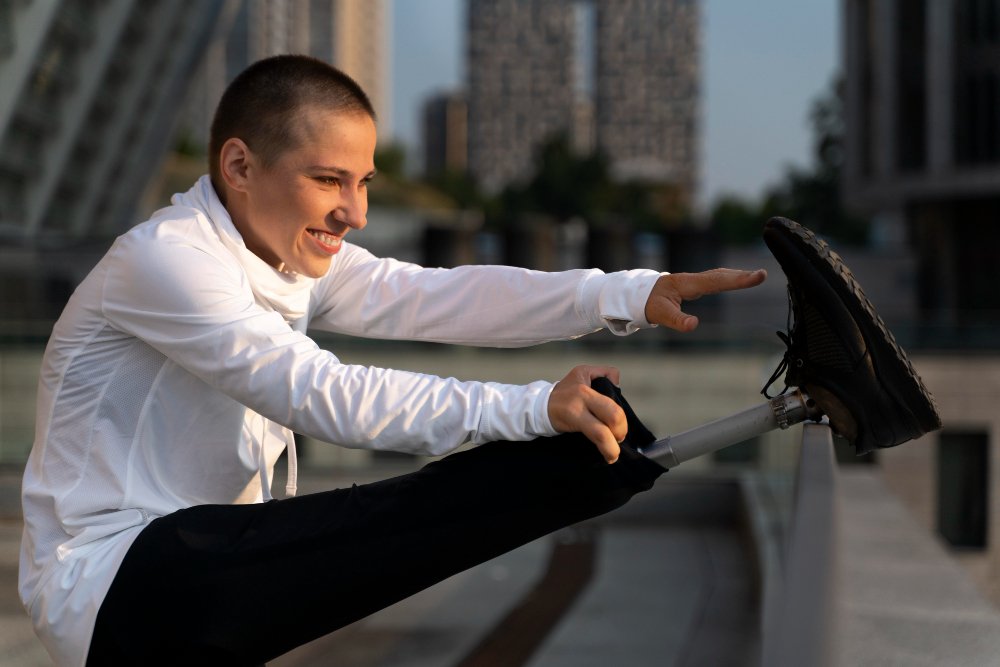
Long distance running pushes the human body to extraordinary limits. Whether completing a marathon, ultra-marathon, or simply logging those weekly double-digit mileage runs, the post-run recovery period becomes just as critical as the training itself. The recovery routine implemented after crossing the finish line determines not only how quickly muscles rebuild and adapt, but also how prepared runners become for their next challenging workout.
Modern sports science has revolutionized recovery approaches, moving far beyond the traditional “walk it off” mentality. Research from institutions like the American College of Sports Medicine demonstrates that structured recovery protocols significantly reduce injury risk while accelerating performance improvements. The body experiences microscopic muscle tears, depleted glycogen stores, elevated cortisol levels, and systemic inflammation after prolonged running. Addressing each of these physiological challenges requires a comprehensive, multi-faceted approach.
Understanding the physiological cascade triggered by long distance running helps runners appreciate why recovery demands such careful attention. During extended cardiovascular effort, muscle fibers break down, electrolytes become imbalanced, immune function temporarily suppresses, and cellular-level damage accumulates throughout tissue systems. The hours and days following a demanding run represent a critical window when proper intervention can transform this breakdown into meaningful adaptation and strength.
The Immediate Post-Run Window: The First 30 Minutes Matter Most
The initial half-hour following a long run represents perhaps the most crucial recovery period. During this window, the body remains in a heightened metabolic state, with muscle cells primed to absorb nutrients, inflammation cascades just beginning, and neurological systems still processing the physical stress just completed. Research published by Sports Medicine journals consistently shows that interventions during this immediate timeframe yield disproportionately powerful recovery benefits.
The concept of continuing gentle movement rather than immediate complete rest helps facilitate recovery. A gradual cool-down period consisting of 10-15 minutes of walking or very light jogging helps the cardiovascular system transition from high-intensity work back toward baseline function. This gentle activity assists with clearing metabolic waste products like lactic acid from muscle tissue while preventing blood from pooling in the lower extremities, which can cause dizziness or fainting when runners stop abruptly after sustained effort.
Dynamic stretching during this immediate window provides greater benefits than static stretching. Leg swings, walking lunges, and gentle torso rotations maintain blood flow while beginning the process of returning muscles to their normal resting length. Many runners make the mistake of dropping into aggressive static stretches immediately after finishing, but tight, fatigued muscles respond better to movement-based flexibility work that doesn’t force tissues into extended positions when they’re still contracted and stressed.
Hydration begins the moment running stops. For every pound of body weight lost during the run (easily measured by weighing before and after), runners should consume approximately 16-24 ounces of fluid. Plain water works for runs under 90 minutes, but longer efforts require electrolyte replacement. According to guidelines from the National Athletic Trainers’ Association, sodium, potassium, and magnesium losses need addressing through sports drinks, coconut water, or electrolyte tablets to prevent cramping and support cellular function.
The refueling process should begin within 30-45 minutes of finishing. This timing capitalizes on enhanced insulin sensitivity and increased activity of enzymes responsible for glycogen synthesis. A 3:1 or 4:1 ratio of carbohydrates to protein provides optimal recovery nutrition during this window. Practical options include chocolate milk, a banana with nut butter, Greek yogurt with honey and berries, or a recovery smoothie blending fruit, protein powder, and greens. Research from the International Society of Sports Nutrition confirms that this carbohydrate-protein combination accelerates muscle repair while replenishing depleted energy stores.
Active Recovery Techniques: Movement as Medicine
The 24-48 hours following a long distance run demand a strategic approach to movement. Complete rest rarely serves runners better than carefully selected active recovery. Light activity increases blood circulation to damaged muscle tissue, delivering oxygen and nutrients while removing inflammatory byproducts that contribute to soreness and delayed recovery. The key involves choosing activities that promote blood flow without adding additional training stress or impact.
Swimming and pool running offer ideal active recovery modalities. The buoyancy of water eliminates impact stress while the hydrostatic pressure assists with reducing inflammation and swelling in lower extremity tissues. A 20-30 minute easy swim or pool running session the day after a long run helps maintain cardiovascular conditioning while allowing damaged muscle fibers to repair. The water temperature also plays a role—cooler water provides natural contrast therapy benefits that reduce inflammation.
Cycling at very low intensity serves as another excellent recovery activity. Maintaining an easy spin with minimal resistance keeps leg muscles moving through their range of motion without the pounding impact of running. The circular pedaling motion helps flush metabolic waste while maintaining neuromuscular patterns. Many professional running teams incorporate short, easy bike sessions into recovery days precisely because cycling preserves fitness without compromising tissue healing.
Walking deserves recognition as perhaps the most underutilized recovery tool. A 30-45 minute walk the day following a challenging long run promotes recovery without adding training load. The gentle, rhythmic movement pattern shares enough similarity with running to maintain neurological efficiency while the dramatically reduced impact allows tissues to heal. Walking also provides psychological benefits, offering outdoor time and movement satisfaction without the pressure of performance metrics.
Yoga and mobility work specifically designed for runners addresses the tightness and restriction that develops through repetitive running motion. Hip flexor stretches, hamstring releases, and thoracic spine mobility exercises counteract the anterior chain dominance and rotational restrictions common among distance runners. Gentle yoga flows incorporating poses like pigeon, downward dog, and cat-cow help restore normal tissue length while promoting parasympathetic nervous system activation, which facilitates recovery. The American Council on Exercise provides evidence that regular yoga practice reduces injury rates among endurance athletes.
Sleep Optimization: The Foundation of Recovery
Sleep represents the most powerful recovery tool available, yet many runners fail to prioritize adequate rest following demanding training. During sleep, growth hormone secretion peaks, protein synthesis accelerates, immune function strengthens, and neurological systems consolidate the motor learning developed during training. Research from Sleep Foundation demonstrates that athletes requiring 7-9 hours nightly should target the higher end of that range following particularly challenging workouts or races.
The sleep architecture itself matters for recovery. Deep sleep stages facilitate physical repair processes, while REM sleep supports cognitive function and emotional regulation stressed by demanding training. Temperature regulation plays a crucial role in sleep quality—maintaining a bedroom environment between 60-67 degrees Fahrenheit optimizes sleep depth and duration. Many runners benefit from slightly cooler temperatures following long runs when inflammation and core temperature remain elevated.
Pre-sleep routines significantly impact recovery quality. Avoiding screens for 60-90 minutes before bed prevents blue light from suppressing melatonin production. A warm shower or bath 60-90 minutes before sleep creates a temperature drop when exiting the water that signals the body to prepare for rest. Magnesium supplementation, taken 30-60 minutes before bed, supports muscle relaxation and may improve sleep quality, particularly when magnesium stores become depleted through sweating during long runs.
Strategic napping provides additional recovery benefits, especially in the 24-48 hours following a marathon or ultra-marathon. A 20-30 minute power nap in the early afternoon can reduce cortisol levels, improve alertness, and provide a mini-recovery boost without interfering with nighttime sleep. Longer naps of 90 minutes allow completion of a full sleep cycle, including deep sleep stages that facilitate physical repair, though timing must be managed to avoid disrupting nighttime rest.
Nutrition Strategies: Fueling the Repair Process
The days following a long run require thoughtful nutritional strategies that support tissue repair, glycogen replenishment, and immune function restoration. While the immediate post-run window demands quick-absorbing carbohydrates and protein, the subsequent 48-72 hours benefit from nutrient-dense whole foods that provide vitamins, minerals, and phytonutrients supporting recovery processes.
Protein intake becomes particularly important, with research suggesting distance runners should target 1.2-1.6 grams per kilogram of body weight daily, with the higher end appropriate during heavy training periods. Distributing protein across four to five meals ensures a steady supply of amino acids for muscle repair. Quality sources include lean meats, fish, eggs, dairy, legumes, and plant-based proteins. Collagen protein specifically supports connective tissue repair, making bone broth or collagen supplements valuable additions for runners managing tendon or joint stress.
Anti-inflammatory foods help manage the systemic inflammation triggered by long distance running. Omega-3 fatty acids from sources like salmon, sardines, walnuts, and flaxseeds provide natural anti-inflammatory compounds that support recovery without the potential negative effects of excessive NSAID use. The Cleveland Clinic notes that consistent omega-3 intake may reduce muscle soreness and accelerate return to normal function following demanding exercise.
Antioxidant-rich foods combat the oxidative stress generated during prolonged cardiovascular effort. Berries, dark leafy greens, colorful vegetables, and green tea provide polyphenols and antioxidants that neutralize free radicals while supporting immune function. Tart cherry juice has gained particular attention among endurance athletes, with research showing its anti-inflammatory properties may reduce muscle damage markers and improve recovery between hard efforts.
Carbohydrate timing and quality matter for glycogen replenishment. While simple carbohydrates serve well immediately post-run, subsequent meals benefit from complex carbohydrates that provide sustained energy and additional nutrients. Sweet potatoes, quinoa, oatmeal, and whole grain rice deliver carbohydrates alongside vitamins, minerals, and fiber that support overall health. Total carbohydrate needs vary based on training volume but generally range from 3-7 grams per kilogram body weight for recreational runners to 7-12 grams for competitive athletes logging high weekly mileage.
Recovery Modalities: Evidence-Based Therapeutic Approaches
Modern recovery science offers numerous therapeutic modalities, though not all deliver on their promised benefits. Understanding which interventions possess strong research support versus those relying primarily on anecdotal evidence helps runners invest time and money wisely.
Compression garments worn during or after long runs may assist with reducing muscle oscillation during running and potentially decreasing post-exercise soreness. Studies show mixed results, with some runners reporting significant benefits while others notice minimal difference. The National Institutes of Health research suggests compression may be most beneficial when worn for several hours following intense efforts, potentially supporting venous return and reducing inflammation markers.
Contrast water therapy—alternating between hot and cold water immersion—stimulates circulation and may reduce delayed onset muscle soreness. A common protocol involves alternating between water temperatures for 3-4 cycles of 3 minutes cold (50-60°F) and 3 minutes warm (100-105°F), ending with cold. This practice causes blood vessels to constrict and dilate repeatedly, pumping fresh blood through tissues while potentially reducing inflammation.
Ice baths have fallen somewhat out of favor as recovery understanding has evolved. While cold water immersion effectively reduces inflammation and perceived soreness, some research suggests that excessive inflammation suppression might actually blunt the adaptive response to training that makes runners stronger. Strategic use—perhaps following races or the hardest sessions rather than routine long runs—allows runners to benefit from inflammation reduction when needed without chronically interfering with adaptation.
Foam rolling and self-myofascial release techniques address muscle tightness and trigger points that develop through repetitive running motion. Spending 10-15 minutes targeting the calves, hamstrings, quadriceps, IT bands, and glutes helps maintain tissue quality and may prevent the development of compensation patterns that lead to injury. While the mechanism remains debated (likely more neurological than actual fascial release), the practical benefits of reduced tightness and improved range of motion make foam rolling a worthwhile recovery practice.
Massage therapy provides both physiological and psychological recovery benefits. Professional sports massage increases blood flow, reduces muscle tension, breaks up adhesions, and supports lymphatic drainage. The relaxation response triggered by massage also activates parasympathetic nervous system activity, promoting rest and recovery states. Frequency depends on training volume and budget, but even monthly sessions can help runners maintain tissue health and identify developing problems before they become injuries.
Mental Recovery: Addressing Psychological Demands
Physical recovery receives most attention, yet the psychological demands of long distance running require equal consideration. Mental fatigue, motivation depletion, and emotional stress from challenging training or races need addressing for complete recovery and sustained long-term performance.
Strategic training breaks provide mental refreshment without compromising fitness. Following a goal race or particularly demanding training block, taking 3-7 days completely off or engaging only in easy cross-training activities allows mental batteries to recharge. Research in sport psychology shows that periodic complete breaks from primary sport activities help prevent burnout while maintaining long-term motivation and enjoyment.
Meditation and mindfulness practices support recovery by activating the parasympathetic nervous system and reducing cortisol levels. Even 10-15 minutes daily of guided meditation, deep breathing exercises, or progressive muscle relaxation can meaningfully impact stress hormone profiles and recovery quality. Many runners find that meditation practices developed for recovery also enhance mental skills during races, creating a dual benefit.
Social connection and community engagement provide psychological recovery benefits. Sharing experiences with fellow runners, celebrating achievements, or simply enjoying post-run coffee conversations fulfill social needs while maintaining connection to the running community. This social recovery becomes particularly important for runners who train solo most of the time, as the isolation of individual training can accumulate as a subtle stressor.
Varying training environments and routes prevents mental staleness. Running the same loops repeatedly can create psychological fatigue even when physical training remains appropriate. Exploring new trails, traveling to different locations for long runs, or adjusting typical routes maintains novelty and engagement. This variety supports psychological recovery by preventing the boredom and monotony that can drain motivation.
Long-Term Recovery Periodization: The Bigger Picture
Beyond individual run recovery, smart runners think about recovery within larger training cycles. Periodization principles that vary training stress across weeks and months create waves of hard work followed by strategic recovery periods that allow adaptation to consolidate.
The microcycle approach typically structures three weeks of progressive training followed by a reduced-volume recovery week. During recovery weeks, long run distance might decrease by 30-50%, total weekly mileage drops by 20-40%, and intensity work reduces or eliminates completely. These regular recovery weeks prevent the accumulation of fatigue that leads to overtraining, illness, or injury.
Mesocycle recovery occurs following major training blocks or goal races. After a marathon buildup and race, most coaches recommend 1-4 weeks of significantly reduced training before beginning the next training cycle. The exact duration depends on race distance, intensity, and individual recovery capacity. Ultra-marathons may require 2-6 weeks before resuming normal training, while half-marathon recovery might need only 1-2 weeks.
Annual periodization includes true off-season periods when runners step back from structured training completely. Four to eight weeks annually of recreational activity, cross-training focus, or simply doing other activities maintains overall fitness while providing complete mental and physical recovery from running-specific demands. Elite runners and serious age-groupers who maintain year-round training typically build in these strategic breaks to sustain career longevity.
Listening to biomarkers helps runners gauge when recovery is complete. Resting heart rate returns to baseline levels, heart rate variability normalizes, perceived energy levels restore, and muscle soreness dissipates when recovery progresses appropriately. Tracking these markers helps runners distinguish between normal post-long-run fatigue and developing overtraining. The European Journal of Sport Science publishes ongoing research about monitoring recovery through various physiological markers.
Recovery Routine Comparison: Different Approaches for Different Runners
| Recovery Approach | Best For | Key Benefits | Time Investment | Cost Level |
|---|---|---|---|---|
| Minimalist Recovery | Experienced runners with established tolerance | Natural adaptation, low complexity | 30-60 min daily | Very Low |
| Tech-Assisted Recovery | Data-driven runners who respond to metrics | Objective feedback, precise tracking | 1-2 hours daily | Medium-High |
| Therapeutic Focus | Injury-prone runners or those returning from layoff | Proactive injury prevention, tissue quality | 1-2 hours daily | Medium-High |
| Holistic Wellness | Runners seeking lifestyle integration | Complete physical and mental restoration | 2+ hours daily | Medium |
| Performance-Optimized | Competitive runners maximizing adaptation | Fastest return to hard training | 1.5-2.5 hours daily | High |
Common Recovery Mistakes to Avoid
Many runners unknowingly sabotage their recovery through well-intentioned but counterproductive practices. Recognizing these common errors helps optimize the recovery process and prevents setbacks.
Rushing back to intense training before complete recovery represents perhaps the most frequent mistake. The temptation to resume hard workouts while still fatigued leads to diminishing returns, increased injury risk, and eventual burnout. Quality training requires adequate recovery between hard efforts—patience during recovery ultimately produces faster race performances than relentless grinding through fatigue.
Inconsistent recovery protocols create unpredictable adaptation patterns. Runners who meticulously execute recovery routines after races but neglect recovery following regular long runs deny themselves the cumulative benefits of consistent practice. Recovery habits should match the regular demands of training, not just peak events.
Over-relying on passive recovery modalities while neglecting active recovery and proper nutrition creates imbalanced restoration. No amount of massage or ice baths can compensate for inadequate sleep, poor nutrition, or complete absence of movement. Recovery requires addressing multiple systems simultaneously rather than depending on single interventions.
Ignoring pain signals in favor of rigid training schedules leads directly to injury. The difference between normal post-long-run soreness and pain indicating tissue damage requires honest assessment. Soreness dissipates with gentle movement and feels bilateral and diffuse. Pain typically presents sharply, localizes to specific structures, and worsens with activity—these signals demand rest and possibly professional evaluation.
Frequently Asked Questions
How long should I wait after a marathon before running again?
Most runners benefit from 3-7 days completely off from running following a marathon, with 5-7 days appropriate for less experienced marathoners or those who pushed very hard. Gentle cross-training can begin after 2-3 days. Return to easy running should feel comfortable and pain-free, with no residual soreness from the race. Many coaches recommend waiting at least two weeks before attempting any quality workouts, and four weeks before returning to full training volume and intensity.
Is it better to use ice or heat for recovery after long runs?
Neither ice nor heat provides a universally superior option—each serves different purposes. Ice reduces inflammation and numbs acute soreness, making it beneficial immediately after very demanding efforts or when specific areas feel particularly inflamed. Heat increases blood flow and relaxes tight muscles, working better for general muscle tension and stiffness developing 24-48 hours post-run. Contrast therapy alternating between cold and warm provides benefits of both approaches. For routine long run recovery, most runners find warm showers or baths more comfortable and equally effective as aggressive icing.
How much protein do I actually need after a long run?
Research suggests consuming 20-40 grams of high-quality protein within 30-60 minutes after finishing a long run optimally supports muscle repair. This amount provides sufficient amino acids to maximize protein synthesis without overwhelming digestive capacity when appetite may be suppressed. Total daily protein intake of 1.2-1.6 grams per kilogram body weight supports recovery, distributed across multiple meals throughout the day. A 150-pound runner would target roughly 80-110 grams protein daily during heavy training periods.
Can I take anti-inflammatory medications like ibuprofen to speed recovery?
While NSAIDs like ibuprofen reduce perceived soreness, research increasingly suggests they may actually impair recovery and adaptation. The inflammatory response to training serves as an important signal for muscle repair and strengthening—suppressing this inflammation might blunt training adaptations. Regular NSAID use also carries gastrointestinal and kidney stress risks, particularly when combined with the physiological demands of endurance training. Using ice, contrast baths, or natural anti-inflammatory foods provides safer alternatives for managing post-run inflammation.
What should I eat if I’m not hungry after a long run?
Appetite suppression commonly occurs after demanding runs, yet refueling remains critical. Liquid nutrition often works better than solid food when appetite lags—smoothies, protein shakes, chocolate milk, or meal replacement drinks provide necessary nutrients without requiring chewing or digesting heavy foods. Waiting 30-45 minutes after finishing sometimes allows appetite to return naturally. If solid food becomes tolerable, choosing easily digestible options like bananas, white rice with protein, or crackers with nut butter eases the refueling process. Prioritize getting something nutritious consumed within that 45-minute window even if appetite hasn’t fully returned.
How do I know if I’m recovered enough to do another hard workout?
Several indicators signal readiness for quality training: resting heart rate has returned to baseline levels, legs feel responsive during easy running rather than heavy or dead, motivation for hard work returns naturally, and any residual soreness from previous hard efforts has completely resolved. A simple jump test can assess readiness—if vertical jump height or repeated jump feel significantly reduced compared to normal, more recovery may be needed. When uncertain, adding an extra easy day rarely hurts while pushing into hard work prematurely often leads to poor workouts or injury.
Should recovery differ between trail running and road running long runs?
Trail running typically produces more eccentric muscle loading from downhill sections and varied terrain, often requiring extended recovery compared to equivalent road mileage. The technical demands and mental focus required for trail running also create additional fatigue. Recovery emphasis should shift toward leg strength maintenance and ankle stability work for trail runners. However, the reduced impact forces from softer surfaces may allow faster recovery from joint stress compared to road running. Assessing individual response to each type of running helps personalize recovery protocols.
Is it worth investing in recovery tools like compression boots or percussion massagers?
Recovery technology can provide benefits, but no tool replaces fundamentals like adequate sleep, proper nutrition, and strategic training progression. Compression boots may reduce perceived soreness and accelerate fluid clearance for runners who can afford them and find them comfortable. Percussion massagers offer convenient self-treatment for muscle tension and may equal some benefits of professional massage. However, these tools work best as supplements to comprehensive recovery practices rather than shortcuts replacing proven basics. Many runners achieve excellent recovery without expensive technology by consistently executing fundamental recovery principles.
Building Your Personalized Recovery System
The most effective recovery routine is one that runners actually execute consistently. Building sustainable recovery habits requires starting with core fundamentals then gradually adding elements that provide individual benefit. Not every runner responds identically to each recovery modality—personal experimentation within evidence-based frameworks helps identify the specific practices that optimize individual recovery.
Begin by prioritizing non-negotiable recovery foundations: adequate sleep, immediate post-run nutrition, proper hydration, and regular easy movement days. These basics deliver outsized recovery benefits relative to their complexity and cost. Once these habits become automatic, strategic additions like foam rolling, contrast therapy, or massage can enhance an already solid foundation.
Tracking recovery metrics creates awareness of personal patterns and successful strategies. Simple methods like logging how legs feel during morning runs, monitoring resting heart rate, or noting energy levels throughout the day provide valuable feedback. More sophisticated approaches might include heart rate variability tracking, GPS watch recovery metrics, or detailed training logs noting how different recovery protocols affect subsequent workout quality.
Recovery represents an investment in longevity and sustainable performance improvement. Runners who consistently prioritize recovery reduce injury rates, maintain training consistency across seasons and years, and ultimately achieve better performances than those who maximize training volume at the expense of adequate restoration. The discipline to rest properly demonstrates maturity and understanding that separated recreational runners from those achieving their competitive potential.
The recovery routines implemented after long distance running determine whether those miles build strength or accumulate damage. Every long run presents an opportunity to practice recovery skills that compound into significant advantages over months and years of training. Runners who master recovery maintain enthusiasm for the sport across decades, continue improving performance well into later years, and experience running as a sustainable lifestyle rather than a march toward inevitable breakdown.
Modern understanding of exercise physiology, sports nutrition, and recovery science provides distance runners with unprecedented tools for optimizing adaptation to training stress. The challenge lies not in accessing information but in consistently applying proven principles amid competing demands and the temptation to do more rather than rest appropriately. Recovery requires its own discipline and commitment equal to the dedication applied to hard training.
The runners who thrive long-term view recovery not as time stolen from training but as essential training itself—the period when adaptation occurs and fitness actually improves. Every well-executed recovery routine represents another deposit in the fitness account, accumulating into the reserve capacity that allows breakthrough performances. The minutes spent foam rolling, the discipline to take an extra rest day, the commitment to proper post-run nutrition—these small choices compound into remarkable outcomes.
Developing recovery expertise transforms running from a activity that breaks the body down into a practice that builds resilience, strength, and sustainable performance. The comprehensive recovery routine extends far beyond the first hour after finishing a run, encompassing daily habits, weekly periodization, monthly training cycles, and annual planning. This systematic approach to restoration allows distance runners to train harder when appropriate, race faster when prepared, and continue pursuing ambitious goals across seasons and years without succumbing to injury or burnout.