

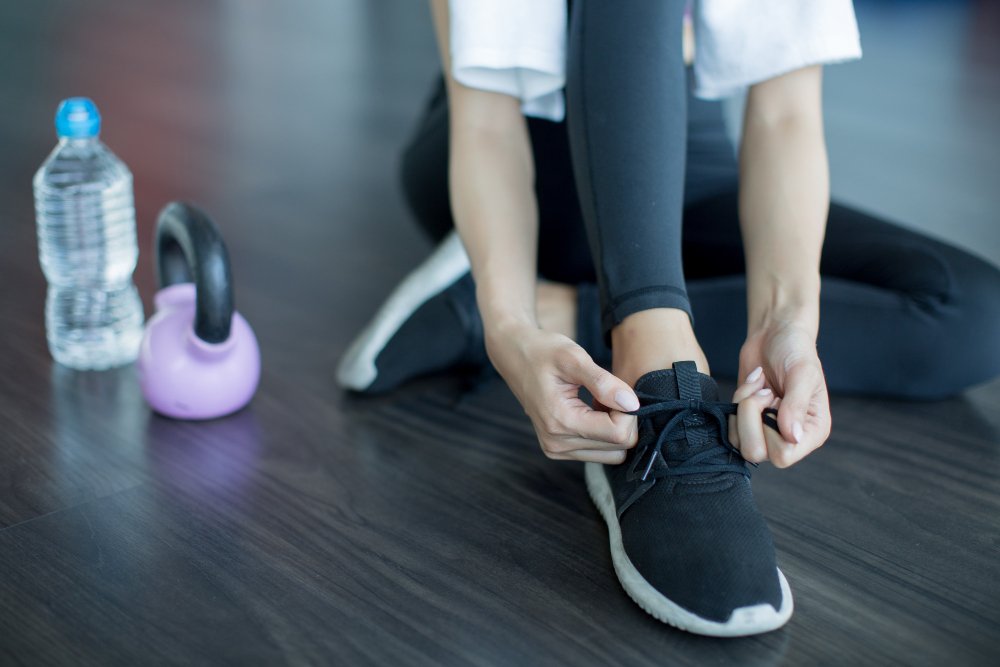
Runners committed to consistent daily training know that proper footwear forms the foundation of every successful run. Shoes that deliver reliable cushioning, support, and durability help maintain form over repeated sessions, reduce fatigue, and support long-term progress without requiring a large investment. In 2026, budget-friendly options under $100 have advanced significantly, incorporating technologies once reserved for higher-priced models to meet the demands of regular road running.
Daily training typically involves 3 to 6 runs per week, often mixing easy paces, tempo efforts, and longer outings. These routines place repeated stress on the feet, knees, and hips, making features like impact absorption and a secure fit essential. Fortunately, several well-designed shoes in this price range now provide the performance needed for building mileage safely and enjoyably.
Why Quality Matters in Daily Training Shoes
Consistent running builds cardiovascular fitness, strengthens muscles, and improves mental resilience, but poor footwear can quickly undermine these benefits. Inadequate cushioning increases the risk of repetitive strain, while insufficient support may contribute to alignment issues over time. Expert resources emphasize that even moderate daily mileage benefits from shoes engineered for repeated use.
Shoes designed for daily training prioritize balanced cushioning that absorbs shock without feeling mushy or unstable. They also feature durable outsoles that handle pavement wear and uppers that promote breathability during longer efforts. Runners who log steady miles often notice improved comfort and fewer minor aches when switching to footwear that matches these criteria, allowing them to focus on training goals rather than discomfort.
Key Features to Look for in Shoes Under $100
When evaluating budget running shoes, focus on elements that directly influence daily performance. Cushioning stands out as a primary consideration. Modern budget models frequently use EVA foam or similar compounds that provide responsive energy return and effective shock absorption for heel and midfoot strikers alike. This helps maintain comfort across varying run lengths.
Heel-to-toe drop—the difference in height between heel and forefoot—typically ranges from 8mm to 12mm in versatile daily trainers. This offset supports a natural transition for many runners while accommodating different gait patterns. Lighter overall weight, ideally under 10 ounces for a men’s size 9, enhances efficiency during frequent runs without sacrificing protection.
Breathable mesh uppers help regulate temperature and reduce moisture buildup, which becomes noticeable during back-to-back training days. Secure lacing systems and padded collars prevent slippage, while reinforced outsoles with strategic rubber placement extend longevity on roads. Stability features, such as medial posts or firmer foam zones, suit runners who experience mild overpronation, though neutral designs work well for many others.
Guidance from established fitting experts highlights the importance of these attributes when selecting footwear for regular use.
Determining the Right Shoe for Individual Needs
Selecting the optimal pair starts with understanding personal biomechanics. Foot arch height and gait pattern influence which shoes provide the best support. Neutral shoes suit runners with normal pronation, while those with noticeable inward roll may benefit from mild stability elements available in some budget options.
Many specialty retailers offer gait analysis to identify these characteristics, helping match shoes to individual movement. Online quizzes and brand fit guides provide useful starting points, though trying shoes in person remains the most reliable method. Width options matter too—several models in this price range come in standard, wide, and sometimes narrow variants to accommodate different foot shapes.
Training volume also guides selection. Runners averaging 20 to 40 miles weekly often thrive with versatile daily trainers that balance cushioning and responsiveness. Those building toward higher mileage should prioritize durability indicators, such as thicker rubber coverage on high-wear areas.
Top Budget Running Shoes Under $100 for Daily Training
Several standout models consistently deliver strong performance for daily road running while staying under the $100 threshold, especially when checking current promotions or previous-season colorways.
The Brooks Revel 8 serves as a versatile all-rounder with balanced cushioning and a smooth ride. Its DNA Loft foam provides reliable impact protection suitable for easy runs and longer efforts, while the lightweight construction supports daily use without excess bulk. Runners appreciate the secure fit and breathable upper that handles varied weather conditions effectively.
The New Balance Fresh Foam 680 v8 excels in plush comfort, making it a strong choice for runners who prioritize softness during recovery miles. The Fresh Foam midsole offers generous cushioning that remains supportive over repeated sessions, and the wide fit options accommodate broader feet comfortably. Its durable outsole holds up well to consistent pavement pounding.
The Nike Downshifter 13 delivers dependable everyday performance at an accessible price. Engineered mesh provides breathability, while the foam midsole cushions impacts effectively for daily training. The shoe’s responsive feel supports a range of paces, and its lightweight profile makes it easy to wear for multiple runs per week.
The ASICS Gel-Excite 11 incorporates visible Gel cushioning technology that softens landings and promotes smoother transitions. This design works particularly well for runners who value targeted impact protection in the heel and forefoot. The engineered mesh upper enhances ventilation, and the shoe maintains structural integrity through regular training cycles.
Additional strong contenders include the Adidas Duramo SL 2, which offers a lightweight and flexible ride ideal for quicker daily sessions, and select Under Armour Charged Assert models that provide solid value with responsive cushioning.
Comparing the Best Budget Daily Trainers Under $100
| Shoe Model | Approx. Price | Weight (Men’s US 9) | Drop | Cushioning Level | Best Suited For | Key Strength |
|---|---|---|---|---|---|---|
| Brooks Revel 8 | $90–$100 | ~9.0 oz | 10mm | Medium | Versatile daily training | Balanced ride and durability |
| New Balance Fresh Foam 680 v8 | $80–$95 | ~9.5 oz | 8mm | Plush | Comfort-focused easy runs | Wide fit options and softness |
| Nike Downshifter 13 | $70–$85 | ~8.5 oz | 10mm | Medium | All-around daily mileage | Lightweight responsiveness |
| ASICS Gel-Excite 11 | $75–$90 | ~9.2 oz | 10mm | Medium-Soft | Impact protection needs | Targeted Gel cushioning |
| Adidas Duramo SL 2 | $65–$80 | ~8.8 oz | 9mm | Responsive | Faster-paced daily runs | Flexibility and breathability |
This table highlights how each option aligns with common training preferences, helping runners quickly identify matches for their priorities.
Practical Tips for Getting the Most from Budget Shoes
Proper fit remains crucial regardless of price. Aim for about a thumb’s width of space in the toe box when standing, and ensure the heel locks securely without slipping. Testing shoes later in the day, when feet may be slightly swollen, provides a more accurate assessment.
Rotating between two pairs extends the life of each shoe by allowing foam to recover fully between uses. This practice proves especially valuable for daily trainers that see frequent mileage. Cleaning shoes regularly with mild soap and air drying preserves materials and maintains performance.
Monitoring wear patterns offers another actionable step. Flattened cushioning or reduced responsiveness signals time for replacement, typically after 300 to 500 miles depending on body weight, running surface, and form.
Avoiding Common Pitfalls with Budget Footwear
Runners sometimes select shoes based solely on the lowest price, overlooking fit and suitability for their specific gait. This approach can lead to discomfort or reduced efficiency over time. Another frequent issue involves expecting maximal performance from entry-level designs in very high-mileage scenarios—while these shoes handle daily training well, they may benefit from occasional rotation with more robust options as volume increases.
Failing to replace shoes at appropriate intervals represents another common oversight. Continuing with compressed midsoles diminishes protection and may contribute to fatigue or minor issues.
FAQ: Common Questions About Budget Running Shoes
Are running shoes under $100 sufficient for daily training?
Yes, many models in this range now incorporate advanced foams and durable constructions that support regular mileage effectively. They perform particularly well for runners logging moderate weekly volumes or focusing on consistency rather than extreme distances.
How can I identify if I need stability features?
Observing wear patterns on older shoes or undergoing a professional gait analysis provides clear indicators. Runners who notice excessive inward rolling or related discomfort often benefit from mild stability designs available in select budget options.
Do these shoes last as long as more expensive pairs?
Durability varies by model and usage, but many budget daily trainers hold up comparably for 300–450 miles when cared for properly. Outsole rubber quality and midsole density play key roles in longevity.
What should beginners prioritize in their first pair?
Focus on overall comfort, cushioning, and a secure yet non-restrictive fit. Versatile neutral trainers generally serve new runners well as they establish consistent habits.
Can budget shoes accommodate wide or narrow feet?
Several options, including certain New Balance and Brooks models, offer multiple width choices, making it easier to achieve a proper fit without compromising support.
How often should daily training shoes be replaced?
Most runners benefit from new pairs every 300 to 500 miles, or sooner if cushioning feels noticeably compressed or if discomfort develops during regular runs.
Are these shoes appropriate for speedwork or races?
Many function adequately for occasional faster sessions, though dedicated racing flats or lighter trainers may provide better energy return for competition efforts.
Where do the best deals typically appear?
Previous-season colors, outlet sections on brand websites, and authorized retailers frequently offer significant savings on quality models.
Conclusion: Building a Strong Running Foundation on a Budget
Effective daily training relies on consistency, smart recovery, and equipment that supports rather than hinders progress. The landscape of budget running shoes under $100 has evolved to offer impressive options that deliver essential performance characteristics for regular road running. Models like the Brooks Revel 8, New Balance Fresh Foam 680 v8, Nike Downshifter 13, and ASICS Gel-Excite 11 demonstrate that meaningful cushioning, reliable durability, and comfortable fits no longer require premium pricing.
By evaluating personal gait, training needs, and foot characteristics, runners can select footwear that enhances rather than limits their efforts. Incorporating practices such as proper fit assessment, shoe rotation, and timely replacement further maximizes value and supports injury-free progression.
Ultimately, the right budget shoes enable runners to focus on what matters most—showing up consistently, enjoying the process, and seeing measurable improvements over time. Whether building a base, maintaining fitness, or pursuing new goals, these accessible options provide a practical pathway to sustained running success. Take time to assess current needs, explore available fits, and step out with confidence knowing that quality daily training footwear exists well within reach. The miles ahead become more rewarding when the foundation feels right from the start.