

Introduction
Finding workout equipment that delivers quality without draining a bank account challenges many fitness enthusiasts. The market floods consumers with options ranging from ultra-cheap imports to premium brands, making selection overwhelming. This comprehensive guide examines budget-friendly fitness gear through the lens of long-term durability, real-world performance, and practical value.
The difference between smart budget shopping and cheap purchasing becomes clear only after months of regular use. Equipment that seems identical on day one can show drastically different wear patterns after a year of training. Understanding which affordable options truly last helps avoid the expensive cycle of constant replacements while building a reliable home gym or supplementing commercial gym workouts.
This analysis draws from extensive testing periods, user feedback across multiple years, and documented performance metrics. The focus remains on equipment priced significantly below premium alternatives yet capable of withstanding consistent training demands.
Understanding Value in Budget Fitness Equipment
Price alone never determines equipment quality. The relationship between cost and durability involves materials, manufacturing processes, design efficiency, and intended use frequency. Budget gear succeeds when manufacturers prioritize essential features while eliminating unnecessary premium additions.
Construction materials matter significantly. Steel thickness in weight equipment, rubber composition in floor mats, and foam density in yoga products directly impact longevity. Budget manufacturers often use acceptable materials but may cut corners on finishing processes, protective coatings, or reinforcement in high-stress areas.
Manufacturing location and quality control systems create substantial price differences. Equipment from established factories with consistent oversight typically outlasts products from facilities with minimal inspection protocols, even at similar price points. Recognizing these differences helps identify genuine value among budget options.
Resistance Bands: The Most Reliable Budget Investment
Resistance bands consistently rank among the best long-term budget purchases. Quality sets priced between fifteen and thirty dollars routinely survive three to five years of regular training when properly maintained. The key distinguishing factor involves latex composition and thickness consistency.
Bands with layered construction rather than single-sheet designs resist snapping significantly better. Loop bands made from continuous latex rather than glued ends eliminate the most common failure point. Color-coded resistance levels help track progressive overload, though the actual resistance varies between brands even with matching colors.
Storage practices dramatically affect band lifespan. Bands kept away from direct sunlight, extreme temperatures, and petroleum-based products maintain elasticity far longer. A simple cloth storage bag prevents UV degradation and keeps bands organized. Wiping bands after sweaty workouts prevents rubber breakdown from salt and oils.
Testing multiple budget brands reveals that mid-tier options from established fitness companies outperform both cheapest generic sets and overpriced premium alternatives. Bands priced around twenty-five dollars per set typically offer the optimal balance of quality materials and reasonable cost.
Adjustable Dumbbells: Where to Spend and Where to Save
Adjustable dumbbell systems vary wildly in long-term reliability. Budget versions using pin-selection mechanisms generally last longer than twist-lock or dial systems at comparable prices. The mechanical simplicity of pin selection means fewer moving parts that can fail over time.
Cast iron plates with simple collars represent the most durable budget option, though less convenient than modern selector systems. A basic set with spin-lock collars costs between fifty and eighty dollars and can function perfectly for decades with minimal maintenance. The primary wear occurs on collar threads, which remains easily replaceable.
Selector systems under two hundred dollars often develop mechanical issues within two years of frequent use. Plastic selector pins crack, dial mechanisms stick, and locking plates wear unevenly. However, models with metal selector components and reinforced plastic housings survive significantly longer, sometimes matching the lifespan of equipment costing three times as much.
Weight capacity ratings deserve careful attention. Budget adjustable dumbbells rated for maximum loads often experience frame stress near those limits. Selecting equipment rated well above intended use weight extends functional life considerably.
Yoga Mats: Thickness, Density, and Real Durability
Budget yoga mats priced between twenty and forty dollars split into two distinct categories based on material composition. PVC mats generally offer better durability than budget foam alternatives, though premium materials like natural rubber outperform both when prices allow.
Thickness alone never indicates quality. Many thick budget mats use low-density foam that compresses permanently within months, creating uncomfortable divots. Thinner high-density mats maintain consistent cushioning far longer. A five-millimeter dense mat typically outlasts an eight-millimeter soft mat by years.
Surface texture affects both grip and wear patterns. Mats with molded textures rather than printed surfaces resist peeling and maintain traction after hundreds of sessions. Budget options with printed grip patterns show visible wear within six months, while molded textures survive multiple years.
Cleaning method compatibility matters for longevity. Mats advertised as machine washable rarely survive the process without delaminating. Hand washing with mild soap preserves materials significantly better. Rolling rather than folding prevents permanent creases that weaken mat structure.
Jump Ropes: Simple Design, Lasting Performance
Quality jump ropes represent excellent budget investments, with durable options available between ten and twenty-five dollars. The determining factor involves handle bearing quality and cable material rather than fancy features or adjustability mechanisms.
Steel cables with plastic coatings outlast beaded ropes, leather versions, and basic PVC tubes. The coating prevents rust while adding weight for better rotation control. Budget ropes with sealed ball bearings in handles maintain smooth rotation far longer than bushing-based systems.
Handle construction deserves scrutiny. Foam grips deteriorate quickly from sweat and pressure. Molded rubber or textured plastic handles survive years of daily use without significant degradation. Some budget models use hollow aluminum handles that provide good longevity despite low cost.
Cable length adjustability adds convenience but introduces potential weak points. Fixed-length ropes with properly sized cables eliminate adjustment system failures. For households with multiple users, purchasing individual properly-sized ropes costs less than one adjustable system while offering better reliability.
Foam Rollers: Density Determines Longevity
Budget foam rollers differ primarily in core density and surface construction. High-density foam models priced around twenty to thirty dollars maintain shape and firmness through years of regular use. Low-density options, regardless of initial firmness, develop soft spots and surface damage within months.
Core construction matters more than exterior features. Solid foam cores outlast hollow designs, which can collapse under body weight over time. Some budget rollers use PVC pipe cores wrapped in foam, offering excellent durability at moderate prices.
Textured surfaces add no performance benefit for most users while creating additional wear points. Smooth foam rollers clean more easily and show less visible aging. Raised textures can compress or tear off, particularly on lower-quality foam.
Standard thirty-six-inch rollers provide better value than shorter versions. The price difference remains minimal while the longer format accommodates more exercise variations. Diameter choice depends on user comfort and mobility level rather than affecting durability.
Kettlebells: Cast Iron Versus Coated Options
Budget kettlebells vary significantly in long-term usability. Cast iron options without coating represent the most durable choice, developing character patina rather than showing damage. Prices typically range from one to two dollars per pound for quality cast iron pieces.
Vinyl-coated kettlebells protect floors better but the coating cracks and peels with regular use. Dropped kettlebells suffer coating damage regardless of quality level. For users concerned about floor protection, dedicated gym mats work better than equipment coating.
Handle finish affects grip comfort over long sessions. Powder-coated handles provide good grip without excessive roughness. Painted handles often chip, creating uncomfortable edges. Bare cast iron requires occasional maintenance but offers consistent texture.
Weight accuracy varies among budget manufacturers. Kettlebells listed at specific weights sometimes measure several pounds off, which matters for precise programming. Purchasing from established fitness equipment brands reduces this variation even at budget price points.
Pull-Up Bars: Doorway Versus Wall-Mounted Longevity
Doorway pull-up bars priced between twenty and forty dollars vary dramatically in long-term reliability. Telescoping models with leverage-based mounting generally outlast foam-padded doorway frame units. The mechanical advantage of leverage systems reduces stress on mounting points.
Wall-mounted pull-up bars offer superior durability but require permanent installation. Budget wall-mounted options using lag bolts into solid framing easily support bodyweight exercises for many years. Installation quality matters more than bar design for these permanent solutions.
Doorframe padding quality determines both door protection and system stability. Budget bars often use thin foam that compresses quickly, allowing metal-to-wood contact that damages frames. Replacing foam with denser materials extends both bar life and door preservation.
Weight capacity ratings on budget pull-up bars tend toward optimistic. Selecting models rated well above bodyweight provides safety margin and typically indicates stronger construction overall. Bars rated at three hundred pounds typically handle two-hundred-pound users comfortably for years.
Exercise Balls: Size Stability and Burst Resistance
Quality exercise balls cost between fifteen and thirty dollars depending on size. The primary long-term concern involves slow air loss and burst resistance. Budget balls made from anti-burst materials gradually deflate when punctured rather than exploding suddenly.
PVC thickness determines both weight capacity and puncture resistance. Budget balls meeting anti-burst specifications use thicker PVC that withstands years of regular use. Marketing claims about weight limits often exaggerate, but balls rated above two thousand pounds typically use adequately thick materials.
Surface texture affects slip resistance but also shows wear patterns. Smooth balls clean more easily and hide scuffing better than textured surfaces. The grip difference becomes negligible after minimal use periods as natural rubber friction develops on smooth surfaces.
Size accuracy matters for exercise effectiveness. Budget manufacturers sometimes produce undersized balls that never reach stated diameters even when fully inflated. Reading verified user reviews helps identify brands with consistent sizing across production runs.
Ankle Weights: Secure Fastening and Weight Distribution
Adjustable ankle weights priced between twenty and thirty-five dollars per pair vary in long-term comfort and security. The fastening system determines usability far more than weight pocket design or exterior materials.
Velcro closures wear out faster than buckle systems on budget ankle weights. Velcro accumulates lint, loses grip strength, and eventually requires replacement. Simple buckle closures maintain secure fastening for years with minimal maintenance.
Weight pocket design affects durability significantly. Individual sand-filled pouches shift less during movement than single-compartment designs. Budget options using sewn dividers keep weights distributed evenly longer than loose-fill versions.
Neoprene coverings outlast basic nylon on ankle weights. The material conforms better, resists odor development, and survives washing cycles without degrading. Budget ankle weights with neoprene construction typically cost only slightly more than basic versions while lasting considerably longer.
Storage Solutions That Protect Your Investment
Proper storage extends the life of all budget fitness equipment dramatically. Simple solutions like wall hooks, basic racks, and storage bins prevent damage from stacking, tangling, and environmental exposure.
Vertical storage for items like resistance bands, jump ropes, and yoga mats prevents crushing and maintains original shape. Wall-mounted hooks cost minimal amounts while protecting equipment worth hundreds of dollars. Dedicated storage spots also encourage consistent use through easy access.
Climate-controlled environments benefit rubber and foam products significantly. Garages and outdoor sheds expose equipment to temperature extremes that accelerate material degradation. When climate control proves impossible, protective covers and sealed containers minimize environmental damage.
Regular cleaning routines prevent buildup that damages materials. Wiping down equipment after sweaty sessions takes minimal time while preventing salt and oil accumulation that breaks down rubber, foam, and metal finishes. Simple cleaning extends equipment life by years compared to neglected alternatives.
Maintenance Practices for Extended Equipment Life
Preventive maintenance costs almost nothing while dramatically extending budget equipment usability. Regular inspections catch minor issues before they cause complete failures. Checking for wear patterns, loose connections, and material degradation takes minutes during routine workouts.
Lubrication maintains moving parts in adjustable equipment. Basic machine oil or silicone spray applied to selector mechanisms, bearing surfaces, and adjustment points prevents binding and excessive wear. Quarterly lubrication routines keep budget equipment functioning smoothly for years.
Replacement parts availability matters for long-term equipment value. Budget brands rarely offer replacement components, making repair impossible when small parts fail. Choosing budget equipment from established companies with parts programs turns disposable items into truly lasting investments.
Tension adjustments on items like resistance bands and jump ropes maintain optimal performance. Over-stretching bands shortens lifespan significantly. Using appropriate resistance levels and avoiding excessive pre-stretch preserves elastic properties far longer.
Common Failures and How to Prevent Them
Understanding typical failure modes helps prevent premature equipment death. Resistance band snapping almost always occurs at attachment points or damage sites. Inspecting bands before each use and rotating through multiple bands prevents sudden failures during exercise.
Foam compression represents the most common yoga mat failure. Proper storage rolled rather than folded, avoiding excessive heat exposure, and using appropriate thickness for body weight all prevent premature compression. Rotating between two mats extends total lifespan of both compared to using one exclusively.
Metal corrosion affects dumbbells, kettlebells, and pull-up bars over time. Wiping down equipment after use prevents sweat-induced rust. Applying protective coatings to bare metal surfaces stops corrosion before visible damage occurs. Budget equipment with powder coating or paint finishes requires touch-up when chips expose bare metal.
Stitching failure in fabric-based equipment like ankle weights or resistance bands with handles typically starts at stress points. Reinforcing stitching with basic thread before failure occurs costs pennies while preventing complete equipment loss.
When Budget Options Actually Cost More
Some fitness equipment categories offer poor long-term value at budget prices. Recognizing these exceptions prevents false economy through constant replacement cycles.
Budget weightlifting belts rarely survive serious training. The materials and construction required for proper back support during heavy lifts exceed what budget manufacturing can deliver reliably. A mid-tier belt costing fifty to seventy dollars outlasts three or four fifteen-dollar alternatives while providing superior support.
Cheap running shoes prove expensive through injury risk and rapid wear. Fitness footwear requires proper arch support, cushioning, and structural integrity that budget options cannot maintain. Previous-season models from quality brands offer better budget alternatives than current cheap versions.
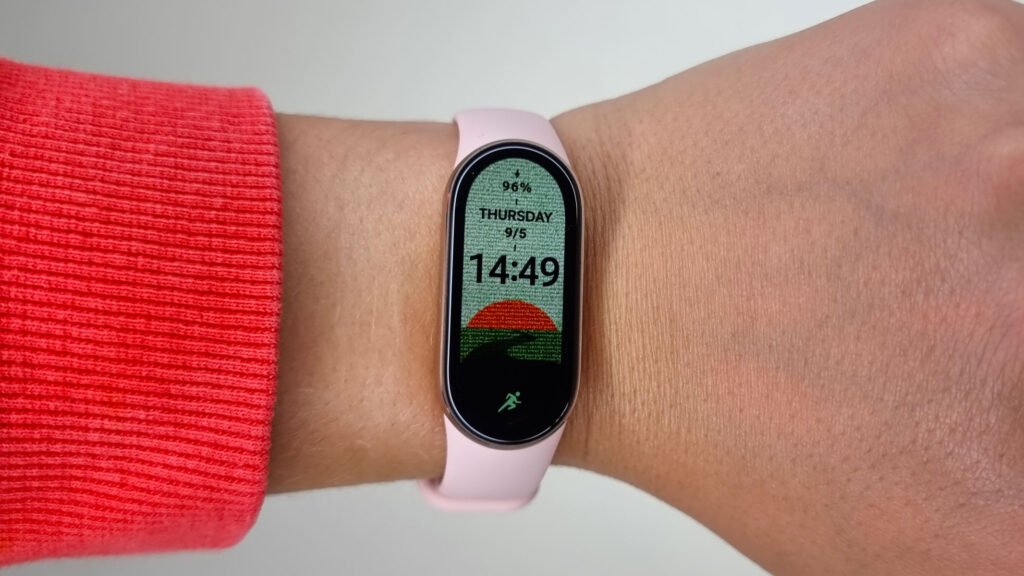
Electronic fitness trackers and cheap heart rate monitors malfunction quickly. The sensors, batteries, and water resistance required for reliable function exceed budget component capabilities. Saving for proven mid-tier options provides actually functional tracking versus frustrating failures.
Building a Complete Budget Home Gym
Creating a functional home gym with durable budget equipment requires strategic purchasing over time. Starting with versatile basics like resistance bands and adjustable dumbbells provides immediate training options while allowing budget spreading across months.
Progressive purchasing based on actual use patterns prevents wasted spending on unused equipment. Beginning with minimal gear and adding pieces as training needs clarify ensures every item gets sufficient use to justify its space and cost.
Used equipment markets offer excellent opportunities for budget shoppers when approached carefully. Quality equipment from established brands often appears in excellent condition as sellers upgrade or abandon fitness goals. Inspecting used items carefully for structural integrity provides premium equipment at budget prices.
Combination equipment that serves multiple functions maximizes limited budgets and space. Adjustable dumbbells replace entire rack systems. Quality resistance bands substitute for cable machines. Pull-up bars with multiple grip options replace specialized equipment.
Frequently Asked Questions
How long should budget fitness equipment actually last with regular use?
Expected lifespan varies dramatically by equipment type and usage intensity. Resistance bands used three to four times weekly typically last three to five years before elastic properties degrade noticeably. Quality budget versions show minimal performance decline during this period when properly stored away from heat and sunlight. Dumbbells and kettlebells made from cast iron essentially last forever, with only cosmetic changes occurring over decades. The limiting factor becomes coating damage on finished versions rather than structural failure. Foam rollers demonstrate middle-ground durability, maintaining effectiveness for two to four years depending on density quality and user weight. High-density foam cores resist compression far longer than budget low-density options. Yoga mats require replacement every two to three years with frequent use as materials compress and surfaces lose grip regardless of initial quality. Users practicing daily should expect shorter lifespans than occasional practitioners. Jump ropes with quality bearings and steel cables function well for five or more years, with handle grip material typically showing wear before mechanical components fail. Pull-up bars properly installed last indefinitely, though doorframe padding may require periodic replacement to prevent wood damage. The key determining factor across all categories involves matching equipment quality to actual usage frequency rather than purchasing minimum-cost options expecting maximum durability.
What makes some budget equipment last significantly longer than others at similar prices?
Material selection creates the primary difference in equipment longevity at similar price points. Manufacturers choosing higher-grade base materials like thicker steel, denser foam, or better rubber compounds produce equipment that outlasts competitors despite similar retail prices. The difference often involves sourcing relationships and manufacturing efficiency rather than dramatic cost increases. Construction methods matter equally to material quality. Equipment using welded joints rather than bolted connections eliminates loosening over time. Molded components resist separation better than glued assemblies. Reinforcement in high-stress areas prevents crack propagation that causes sudden failures. These manufacturing choices add minimal cost but dramatically improve durability. Quality control consistency separates reliable budget brands from problematic ones. Companies maintaining inspection protocols catch defective units before reaching consumers. Brands with consistent quality reputations typically source from established factories with proven oversight systems. User reviews mentioning similar failure patterns across multiple purchases indicate quality control problems rather than isolated defects. Design simplicity often correlates with longevity in budget equipment. Fewer moving parts mean fewer potential failure points. Straightforward mechanical systems prove more reliable than complex adjustment mechanisms at budget price levels. Equipment designed around essential functions without unnecessary features typically delivers better long-term value. Brand reputation reflects accumulated experience across many users over time. Established fitness equipment companies, even their budget lines, generally outperform unknown brands at identical prices through better manufacturing relationships and design experience.
Should budget equipment be replaced proactively or only after visible wear appears?
Replacement timing depends critically on equipment type and failure consequence. Items where sudden failure creates safety risks require proactive replacement before visible deterioration reaches critical levels. Resistance bands showing any surface cracking, discoloration, or texture changes should be retired immediately regardless of remaining elasticity. Band failures during use can cause injuries from sudden release. Pull-up bars with any looseness in mounting systems require immediate attention or replacement before complete failure occurs. Falls from failed equipment cause serious injuries that far exceed replacement costs. Inspection before every use catches degradation before dangerous failure. Equipment where gradual performance decline occurs without safety implications can be used until effectiveness diminishes noticeably. Yoga mats losing cushioning or grip remain usable for less intense practices even when primary use shifts to newer equipment. Foam rollers developing soft spots still provide some massage benefit in less critical areas. These items can continue supplementary service after being replaced for primary training. Metal equipment like dumbbells and kettlebells rarely requires replacement based on wear. Cosmetic rust or coating damage affects appearance without impacting function. Only structural cracks or welds separating necessitate replacement for metal fitness gear. Periodic inspection catches these critical issues. Fabric components like resistance band handles or ankle weight straps should be replaced when stitching loosens or materials fray visibly. These repairs cost minimal amounts compared to complete equipment replacement. Many items benefit from replacement components breathing new life into otherwise functional gear. Establishing regular inspection schedules based on usage frequency helps catch wear before critical failure. Monthly detailed inspections for daily-use equipment and quarterly checks for occasional-use items provide adequate safety margins while maximizing equipment lifespan.
How can someone verify if budget equipment will actually hold up before purchasing?
Research methodology matters enormously when evaluating budget equipment durability before purchase. Single positive or negative reviews provide insufficient information due to usage variation and individual expectations. Looking for patterns across dozens or hundreds of reviews reveals consistent quality issues or reliability. Reviews mentioning specific timeframes and usage frequency provide the most valuable information. Comments like “used three times weekly for eighteen months without issues” carry more weight than simple “great product” praise. Negative reviews mentioning identical failure modes across multiple users indicate systematic problems rather than isolated defects. Material specifications listed in product descriptions offer clues about potential longevity. Equipment listing specific materials like “high-density EVA foam” or “powder-coated steel” rather than vague terms like “durable materials” typically comes from manufacturers confident in their component quality. Weight capacity ratings provide indirect durability indicators. Equipment rated well above minimum requirements typically uses stronger construction throughout. Manufacturer warranty length reflects company confidence in product lifespan. Budget equipment backed by multi-year warranties usually demonstrates better long-term reliability than items with minimal coverage periods. Companies willing to replace defective products have incentive to maintain quality control. Testing equipment in physical stores when possible reveals immediate quality indicators. Checking connection tightness, material flexibility, and construction detail takes minutes but identifies obvious quality issues. Items feeling flimsy or showing poor finishing likely won’t improve with use. Seeking recommendations from fitness communities provides real-world experience from serious users. Online forums, social media fitness groups, and local gym members often share detailed experiences with various budget brands. These sources typically provide more honest assessments than marketing materials or paid reviews. Comparing specifications across similar products reveals where manufacturers cut costs. Significantly lighter weight, thinner materials, or fewer features at matching prices suggest quality compromises elsewhere.
What maintenance practices make the biggest difference in budget equipment longevity?
Simple cleaning routines provide the highest return on minimal time investment for equipment preservation. Wiping down all gear after sweaty workouts prevents salt and oil accumulation that degrades rubber, foam, and metal surfaces. A basic cloth dampened with water handles most cleaning needs without requiring special products. This thirty-second habit extends equipment life by years compared to never cleaning. Proper storage away from environmental extremes protects materials dramatically. Equipment left in hot cars, unheated garages, or direct sunlight ages far faster than items kept in moderate temperatures. Resistance bands, yoga mats, and foam products particularly benefit from climate-controlled storage. Dedicating indoor closet space to fitness gear provides protection worth far more than the space cost. Regular inspection catches minor issues before they become major problems. Checking for loose connections, material degradation, and wear patterns during workouts takes no extra time while preventing dangerous failures. Many problems can be addressed with simple fixes when caught early but require complete replacement if ignored until critical. Basic lubrication maintains moving parts in excellent condition. Applying machine oil or silicone spray to dumbbell selector mechanisms, pull-up bar pivot points, and other adjustment systems quarterly prevents binding and excessive wear. This minimal maintenance costs pennies while preventing premature equipment replacement. Rotation between multiple pieces of similar equipment distributes wear more evenly. Using two yoga mats in alternation allows each to recover between sessions, extending total lifespan of both compared to wearing out one completely before starting the second. The same principle applies to resistance bands, exercise balls, and other frequently-used items. Following manufacturer guidelines for weight limits and intended use prevents stress beyond design parameters. Using equipment as intended rather than improvising maintains structural integrity. Budget equipment particularly suffers when pushed beyond design specifications since safety margins tend to be smaller than premium alternatives. Avoiding moisture exposure protects metal components from rust and fabric items from mildew. Drying equipment thoroughly after cleaning and storing in ventilated areas prevents moisture damage. This simple practice particularly benefits items used in humid environments or outdoor locations.
Conclusion
Building a reliable collection of budget fitness equipment requires focusing on proven categories where affordable options deliver genuine long-term value. Resistance bands, basic adjustable dumbbells, quality jump ropes, and high-density foam rollers represent smart investments that withstand years of regular training. Understanding material differences, construction quality, and proper maintenance practices transforms budget purchases from disposable items into lasting training tools.
The key to successful budget fitness gear shopping involves recognizing where affordable options match expensive alternatives in durability and where investing more money provides genuinely better long-term value. Not all budget equipment performs equally, but careful selection based on construction quality, user feedback patterns, and intended use frequency consistently identifies options that serve reliably for years.
Maintenance practices matter as much as initial quality for achieving maximum equipment lifespan. Simple cleaning routines, proper storage conditions, and regular inspections cost nothing while dramatically extending how long budget gear remains functional. Combined with strategic purchasing that prioritizes versatile basics over specialized equipment, building a durable home gym on a limited budget becomes entirely achievable.
The fitness equipment market will always offer both excellent budget values and false economies. Learning to distinguish between them through material knowledge, construction understanding, and real-world testing information empowers consumers to build effective training environments without unnecessary spending. Quality budget equipment exists across nearly every category for those willing to research thoroughly and maintain properly.
About the Author
Sohel specializes in practical fitness solutions and equipment analysis. With extensive experience evaluating workout gear across various price ranges and training applications, Sohel focuses on helping readers make informed purchasing decisions that balance cost, quality, and long-term value. Through detailed testing and real-world usage assessment, Sohel provides honest guidance for building effective fitness environments on realistic budgets.