

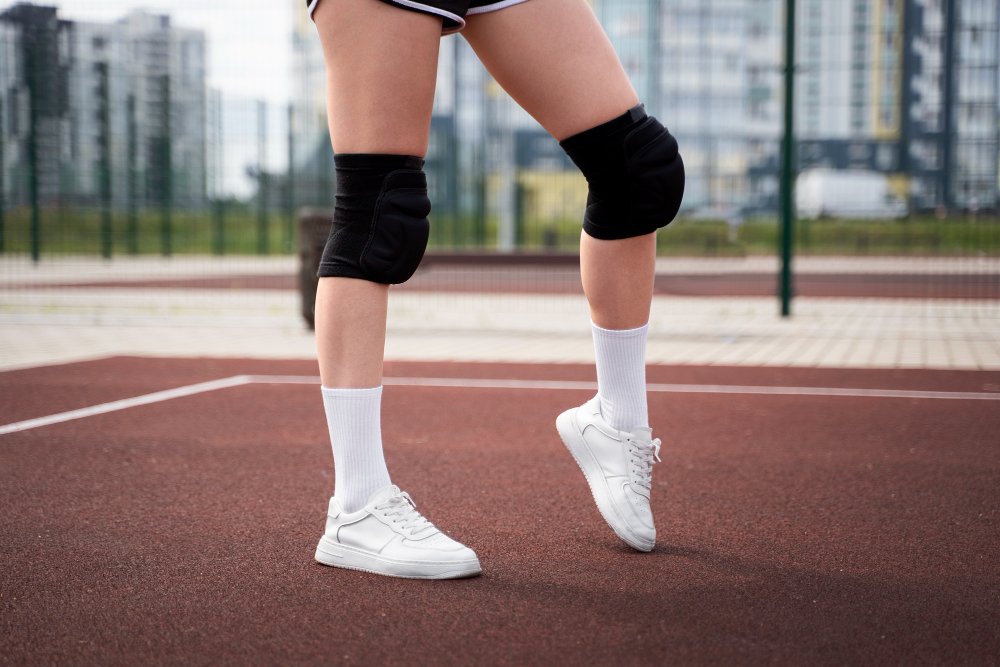
Long-distance running places significant demands on the lower body. Over hours on the road or trail, runners contend with accumulating fatigue, muscle soreness, swelling, and the gradual slowdown that often defines the later miles of a marathon or ultra. Compression socks have become a common tool in this context, designed to apply targeted pressure that supports circulation and stability during extended efforts.
These specialized socks go beyond standard athletic footwear by delivering graduated compression—typically firmest at the ankle and easing upward toward the calf. This design aims to counteract the effects of gravity and prolonged impact, helping maintain efficient blood flow when legs endure repetitive stress for 90 minutes or more. While not a magic solution for speed, they address specific physiological challenges that emerge in long runs, from reduced muscle oscillation to faster post-effort recovery.
Understanding Compression Socks and Their Design for Runners
Compression socks for runners feature elastic materials that create consistent, measurable pressure, often rated in millimeters of mercury (mmHg). Athletic versions commonly range from 15-20 mmHg for milder support to 20-30 mmHg for more pronounced effects during and after demanding sessions. Unlike medical-grade stockings intended primarily for clinical conditions, running-specific pairs prioritize breathability, moisture management, and flexibility to accommodate the dynamic movements of strides.
The construction typically includes reinforced zones around the arch, heel, and calf to provide stability without restricting natural foot motion. Many incorporate seamless toes and padded soles to minimize irritation over long durations. Materials such as nylon blends with elastane or merino wool help regulate temperature and wick sweat, which proves essential when runs extend into warmer conditions or variable weather.
Runners select these socks based on the demands of their events. For half-marathons and marathons, moderate compression offers support without excess bulk, while ultra-distance participants may prefer options that maintain consistent pressure even after hours of use. Proper fit remains critical—socks that are too loose deliver minimal benefit, while overly tight pairs can cause discomfort or restrict circulation.
The Science Behind How Compression Socks Work During Long Runs
The core mechanism involves enhancing venous return, the process by which deoxygenated blood travels back to the heart from the lower extremities. During long runs, the combination of upright posture, repetitive impact, and muscle fatigue can slow this return, leading to blood pooling and increased fluid buildup in the legs. Graduated compression gently squeezes the veins, narrowing them slightly to accelerate blood flow and support the natural muscle pump action of the calves.
This improved circulation delivers more oxygenated blood to working muscles while clearing metabolic byproducts like lactate more efficiently. In prolonged efforts, where lactate accumulation contributes to the burning sensation and heaviness in the legs, this process helps sustain a steadier pace in the later stages.
Biomechanically, compression socks also limit excessive muscle vibration or oscillation that occurs with each footstrike. Over thousands of steps in a long run, this vibration can contribute to micro-trauma in muscle fibers and connective tissue. By dampening these oscillations, the socks may reduce the overall stress on tissues, preserving efficiency and comfort when fatigue typically peaks.
Studies examining soft tissue dynamics during running confirm this reduction in vibration, though the translation to measurable performance gains during the run itself remains modest in most cases.
Key Circulatory and Fatigue-Reduction Benefits for Endurance Efforts
One of the most practical advantages for long runs centers on maintaining lower leg comfort and function over extended time. Enhanced venous return helps counteract the swelling that many runners notice after 90 minutes or more, when feet and ankles can feel puffy due to fluid retention. By keeping this under control, compression socks support a more consistent stride and reduce the distracting heaviness that can erode mental focus in the final miles.
Runners in events lasting several hours often report less perceived leg fatigue when using these socks, particularly in the calves and shins. This perceptual benefit aligns with observations that compression aids proprioception—the body’s awareness of limb position—which can translate to better form maintenance when exhaustion sets in. For trail runners navigating uneven terrain or road marathoners pushing through urban courses, this added stability provides a subtle edge in sustaining rhythm.
Evidence from various analyses indicates that while direct improvements in race times or time-to-exhaustion tests are limited, the reduction in soft tissue vibration and better blood flow contribute to sustained comfort during prolonged activity.
Post-Run Recovery: Where Compression Socks Show Strongest Value
The most consistent and well-documented advantages appear in the hours and days following a long run. Wearing compression socks for 24 to 48 hours after intense efforts has been associated with reduced delayed-onset muscle soreness (DOMS), lower perceived fatigue, and faster restoration of muscle function. Meta-analyses reviewing recovery outcomes highlight small but meaningful improvements in strength recovery and power output in the days after demanding exercise, with particularly notable effects 24 hours or more post-activity.
This accelerated recovery stems from continued support for circulation and reduced inflammation markers after the run ends. For runners training multiple times per week or preparing for back-to-back long efforts, the ability to return to quality sessions sooner represents a significant training advantage. One examination of marathon participants found that those using compression post-race demonstrated better functional performance in follow-up tests compared to those who did not.
In practical terms, many athletes wear them during travel after races or on rest days to manage residual swelling and promote ongoing venous return, especially after air travel or periods of sitting.
Potential Contributions to Injury Prevention and Overall Resilience
Long runs increase the risk of overuse issues such as shin splints, Achilles strain, and general lower leg inflammation due to repetitive loading and impact forces. While compression socks are not a guaranteed preventive measure, their support for muscle stability and improved blood flow may help mitigate some contributing factors.
By reducing excessive vibration, they potentially limit cumulative micro-damage that can progress to injury over a training block. Enhanced proprioception may also encourage more mindful foot placement and form, particularly when fatigue compromises technique in later miles. Some research points to better ankle awareness among users, which could play a role in avoiding missteps on trails or uneven surfaces.
That said, the strongest protection against injury comes from progressive training, strength work, and adequate recovery—not any single piece of gear. Compression socks serve as one supportive element within a broader strategy.
Compression Socks vs. Regular Athletic Socks: A Practical Comparison for Long Runs
| Aspect | Compression Socks (15-30 mmHg, Graduated) | Regular Athletic Socks | Relevance to Long Runs |
|---|---|---|---|
| Circulation | Actively promotes venous return | Basic coverage, minimal pressure | Reduces swelling and fatigue in later miles |
| Muscle Vibration | Dampens oscillation and micro-trauma | Limited dampening | Helps maintain comfort over 2+ hours |
| Recovery Support | Aids soreness reduction and strength restoration post-run | Primarily cushioning | Faster return to training after long efforts |
| Temperature Regulation | Often moisture-wicking and breathable | Varies by material | Prevents overheating or excessive sweat buildup |
| Proprioception & Stability | Enhanced limb awareness | Standard support | Better form maintenance when tired |
| Cost & Durability | Higher initial cost, durable with care | Lower cost, frequent replacement | Worth investment for regular long-run training |
This comparison highlights why many endurance runners incorporate compression options specifically for their high-mileage days and recovery periods.
Selecting and Using Compression Socks Effectively
Choosing the right pair starts with accurate sizing—most brands provide measurement guides based on calf circumference and shoe size. Start with moderate compression (20-30 mmHg) for long runs unless a lower level feels more comfortable during initial trials. Test them on shorter runs first to ensure no chafing or slippage occurs over time.
For during-run use, pair them with well-fitted shoes to avoid bunching. Post-run, many athletes wear them for several hours or overnight to maximize recovery effects. Care instructions typically involve machine washing in cold water and air drying to preserve elasticity.
Consider climate: In hot conditions, prioritize highly breathable synthetics; in cooler weather, merino blends add warmth without bulk. Rotate pairs to maintain consistent compression levels over months of use.
Practical Tips for Long-Run Integration
- Incorporate them progressively into training to adapt physiologically and mentally.
- Combine with proven recovery practices like proper hydration, nutrition timing, and sleep for amplified results.
- Monitor personal response—track perceived soreness, readiness for next sessions, and any changes in leg comfort during runs.
- For multi-day events or consecutive long runs, use them both during activity and recovery windows.
- Consult a sports medicine professional or podiatrist if underlying circulatory concerns exist before regular use.
FAQ: Common Questions About Compression Socks for Long Runs
Do compression socks actually improve race performance in marathons or ultras?
Most large-scale reviews, including analyses of dozens of studies, show no significant improvements in overall race times or physiological markers like VO2max during running. Benefits appear more reliably in comfort, vibration reduction, and post-run recovery rather than direct speed gains.
When is the best time to wear them—during the run, after, or both?
Many runners wear them during long efforts for support and comfort, then continue for 24-48 hours afterward to enhance recovery. Post-run use often delivers the most measurable advantages in soreness reduction.
How do I know if the compression level is right?
The socks should feel snug, especially around the ankle and lower calf, but not painful or restrictive. Toes and feet should maintain normal sensation and color. Proper fit feels supportive without cutting off circulation.
Can compression socks help prevent blisters or hot spots on long runs?
They may reduce some friction through better fit and moisture management, but blister prevention depends more on sock construction, shoe fit, and foot care strategies like lubricants or proper taping.
Are they suitable for all runners, including beginners?
Yes, both novice and experienced runners can explore them. Beginners may notice recovery benefits that support consistency in training, while seasoned athletes use them to manage the higher volume of long runs.
What if I have medical conditions like diabetes or poor circulation?
Always consult a physician before using athletic compression. While generally safe for healthy individuals, certain conditions require medical guidance to avoid complications.
How long do a good pair last with regular use?
With proper care, quality running compression socks maintain effective pressure for 6-12 months of frequent use, depending on washing frequency and intensity of training.
Are calf sleeves a good alternative to full socks?
Calf sleeves provide targeted compression to the lower leg without covering the foot, making them a flexible option for runners who prefer their regular socks underneath. They deliver similar circulatory and vibration-dampening effects for many users.
Wrapping Up: Making Informed Choices for Better Long Runs
Compression socks offer tangible support for the unique challenges of long-distance running, particularly in managing circulation, reducing perceived fatigue during efforts, and accelerating recovery afterward. While scientific evidence shows limited direct impact on race-day speed, the advantages in muscle protection, soreness management, and functional restoration make them a worthwhile consideration for runners logging high weekly mileage or preparing for marathons and beyond.
Success depends on selecting well-fitted, purpose-built pairs and integrating them thoughtfully into training rather than expecting transformative performance leaps. Individual responses vary based on body type, event demands, and overall training quality, so experimentation during non-critical runs provides the best insights.
Runners serious about sustaining progress over months and years benefit from viewing compression socks as part of a comprehensive approach—one that pairs smart gear choices with consistent strength training, nutrition, sleep, and gradual mileage increases. By focusing on recovery and resilience, these tools help extend the enjoyable, sustainable aspects of long-distance running for seasons to come.
Start by evaluating current recovery patterns after long runs and consider a trial pair suited to your typical distances and conditions. Combined with attention to the fundamentals of endurance training, compression socks can contribute to feeling stronger, recovering quicker, and staying consistent through the demanding yet rewarding world of long runs.