

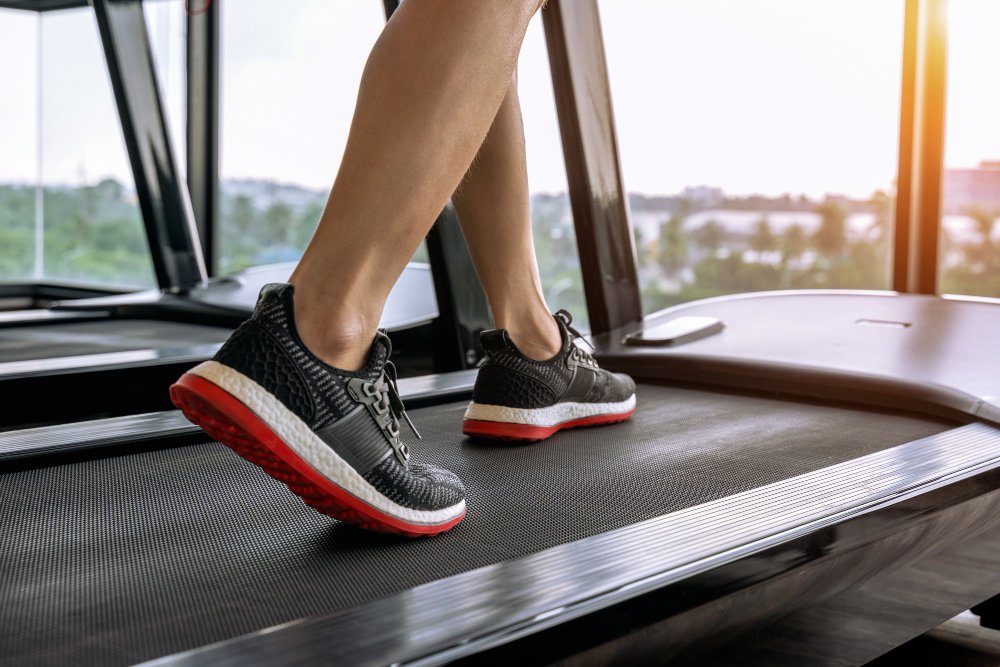
Shin splints represent one of the most frustrating roadblocks for treadmill runners, affecting approximately 20% of runners according to sports medicine research. The repetitive impact of treadmill running, combined with the mechanical consistency of the belt, creates a unique environment where medial tibial stress syndrome—the medical term for shin splints—can develop faster than many runners anticipate.
The dull, aching pain along the inner edge of the shinbone doesn’t just interrupt training schedules; it can sideline runners for weeks or even months when ignored. Understanding the biomechanics behind treadmill-induced shin splints and implementing strategic prevention methods makes the difference between consistent progress and chronic injury cycles.
Understanding Why Treadmills Create Shin Splint Risks
The treadmill’s motorized belt introduces specific mechanical factors that differ substantially from outdoor running. When the belt pulls the foot backward with each stride, runners often unconsciously adjust their gait patterns, leading to increased stress on the anterior tibialis muscle and the surrounding connective tissue along the tibia. According to research published by the National Institute of Health, this altered biomechanics can concentrate repetitive stress in ways that outdoor terrain variations naturally prevent.
The perfectly flat, unchanging surface of most treadmills eliminates the natural variation that outdoor running provides. Roads, trails, and sidewalks feature subtle elevation changes, camber, and surface irregularities that distribute impact forces across different muscle groups and joint angles. On a treadmill, each footstrike lands with mechanical consistency, hammering the same anatomical structures in precisely the same way, stride after stride. This repetitive loading pattern accumulates microtrauma in the periosteum—the connective tissue covering the bone—faster than the body can repair the damage.
Temperature-controlled indoor environments also reduce the natural warm-up period that outdoor conditions often impose. Runners frequently jump onto treadmills and immediately hit their target pace without the gradual acceleration that outdoor running naturally encourages. This abrupt transition from rest to repetitive impact leaves muscles, tendons, and bones unprepared for the sudden mechanical demands.
Perfecting Your Treadmill Running Form
Biomechanical efficiency serves as the foundation for shin splint prevention. The American Academy of Orthopaedic Surgeons emphasizes that proper running form distributes impact forces evenly across the kinetic chain, preventing concentrated stress on vulnerable structures like the shinbone and its surrounding tissues.
Foot strike patterns significantly influence shin splint development on treadmills. Overstriding—landing with the foot too far ahead of the body’s center of mass—creates a braking effect that sends shockwaves directly up the tibia. This heel-striking pattern, exaggerated by the treadmill belt’s backward pull, generates impact forces exceeding three times body weight with each stride. Transitioning toward a midfoot or forefoot strike pattern reduces these impact peaks by allowing the foot’s natural arch and the calf muscles to absorb shock before it reaches the shin.
Cadence adjustments offer another biomechanical lever for reducing shin stress. Research from exercise science laboratories demonstrates that increasing step frequency to 170-180 steps per minute naturally shortens stride length and reduces vertical oscillation. These modifications decrease the loading force on each individual footstrike, distributing the cumulative impact across more, gentler contacts with the treadmill belt.
Maintaining an upright posture with a slight forward lean from the ankles—not the waist—keeps the body’s center of mass aligned over the feet throughout the gait cycle. This alignment prevents the compensatory muscle tension in the shins that occurs when runners lean backward or hunch forward. The core muscles should engage to stabilize the torso, allowing the legs to move freely beneath a stable platform rather than working overtime to control excessive upper body movement.
Choosing and Using Proper Footwear
Footwear selection dramatically influences whether treadmill runners develop shin splints or maintain healthy training progressions. According to Runner’s World biomechanics experts, running shoes lose approximately 30-50% of their cushioning capacity after 300-500 miles, yet many runners continue using worn-out shoes far beyond their protective lifespan.
The midsole foam—typically made from EVA or polyurethane compounds—compresses and hardens through repeated impact cycles. This degradation process accelerates on treadmills because the consistent surface eliminates the varied loading patterns that might extend shoe life outdoors. Visual inspection rarely reveals this internal breakdown until the shoes have already lost their shock-absorbing capabilities, leaving the shins vulnerable to excessive impact forces.
Pronation control features in running shoes either support or sabotage shin health depending on individual biomechanics. Overpronators—whose feet roll excessively inward during ground contact—often benefit from stability shoes that provide medial posting to control this motion. However, runners with neutral or supinated foot mechanics can develop shin problems when stability features force their feet into unnatural positions. Gait analysis at specialty running stores or sports medicine clinics identifies individual needs, ensuring footwear supports rather than disrupts natural movement patterns.
The heel-to-toe drop measurement, indicating the height difference between the heel and forefoot, influences lower leg muscle engagement. Traditional running shoes with 10-12mm drops encourage heel striking and shift work away from the calves toward the shins. Lower-drop shoes (4-8mm) or minimalist options promote midfoot striking and increase calf activation, but this transition requires gradual adaptation. Sudden switches to dramatically different heel drops overload unprepared tissues, often triggering the very shin problems runners hoped to avoid.
Implementing Strategic Warm-Up Protocols
Comprehensive warm-up routines prepare the lower leg structures for treadmill running’s repetitive demands. The American College of Sports Medicine recommends dynamic preparation that gradually elevates tissue temperature, increases blood flow, and activates the neuromuscular patterns required for efficient running mechanics.
Walking for 5-10 minutes before initiating running allows progressive loading of the bones, muscles, and connective tissues. This gradual progression gives the periosteum time to adapt to increasing mechanical stress while warming the anterior tibialis, posterior tibialis, and surrounding musculature. Starting with brisk walking at 3.5-4.0 mph, then transitioning through intervals of light jogging before reaching target running pace, creates a loading curve that minimizes shock to unprepared tissues.
Dynamic stretching movements targeting the lower legs activate muscle groups while improving range of motion. Ankle circles, toe raises, heel walks, and leg swings engage the dorsiflexors and plantarflexors through functional movement patterns that mirror running mechanics. These active movements prove more effective than static stretching for pre-run preparation, according to sports science research documenting improved performance and reduced injury rates with dynamic warm-ups.
Foam rolling the calves, shins, and surrounding myofascial tissues before running enhances tissue quality and reduces adhesions that restrict normal movement patterns. Spending 1-2 minutes rolling each lower leg area increases local blood flow and improves tissue extensibility. This preparation allows muscles to lengthen and contract more efficiently during running, reducing compensatory tension that often concentrates in the shins when other structures remain restricted.
Mastering Progressive Training Principles
Training volume and intensity increases must respect biological adaptation timelines. The British Journal of Sports Medicine has documented that bone tissue requires 6-8 weeks to strengthen in response to new mechanical loads, while muscles adapt within 2-4 weeks. This mismatch creates vulnerability windows where muscular fitness allows runners to increase mileage faster than skeletal structures can tolerate.
The “10% rule”—limiting weekly mileage increases to 10% of the previous week’s total—provides a conservative framework that allows progressive adaptation without overwhelming recovery capacity. Runners returning from breaks or beginning treadmill training should start even more conservatively, potentially increasing by only 5-10 minutes per week until consistent training establishes a fitness foundation.
Hard-easy training cycles prevent the cumulative fatigue that predisposes runners to shin splints. Following challenging workouts with recovery days or cross-training sessions allows microtrauma to heal before subsequent stress accumulates additional damage. Three to four running days per week, interspersed with rest or alternative activities, typically provides sufficient stimulus for fitness gains while protecting bone health.
Gradual treadmill incline progression strengthens the posterior chain muscles—glutes, hamstrings, and calves—that support proper running mechanics. Beginning with flat running and adding 0.5-1.0% incline increments every few weeks builds strength without the sudden loading spikes that trigger shin problems. However, excessive incline running alters biomechanics in ways that can shift stress patterns, so variety remains important for balanced development.
Optimizing Treadmill Settings and Techniques
The treadmill’s mechanical characteristics offer adjustment opportunities that outdoor running cannot provide. Research from biomechanics laboratories indicates that a 1% incline setting most accurately simulates the energy cost and biomechanics of outdoor running on flat terrain, compensating for the lack of air resistance and the belt’s assistance during the push-off phase.
Belt cushioning systems vary dramatically between treadmill models, influencing impact forces transmitted through the lower legs. Commercial gym treadmills typically feature more advanced shock absorption than budget home models, though individual responses to different cushioning systems vary based on body weight, running mechanics, and injury history. Runners developing shin discomfort on one treadmill might find relief simply by switching to a different machine with alternative cushioning characteristics.
Speed variation within individual sessions distributes mechanical stress across different muscle recruitment patterns and joint angles. Rather than maintaining constant pace for entire workouts, incorporating intervals—alternating between faster and slower segments—varies the loading on shin structures. Even subtle pace changes of 0.5-1.0 mph every few minutes modify the biomechanical stress enough to prevent the monotonous repetition that concentrates damage in specific tissues.
Backward treadmill walking or jogging, performed at very slow speeds with appropriate safety precautions, activates the anterior compartment muscles through eccentric contractions that strengthen tissues while reducing repetitive impact. This technique, used by physical therapists for rehabilitation, can serve preventive functions when incorporated briefly into warm-ups or cool-downs. However, the unfamiliar movement pattern requires careful attention to form and gradual progression to avoid creating new problems.
Strengthening Key Muscle Groups
Targeted resistance training addresses the muscular imbalances and weaknesses that contribute to shin splint development. According to research from sports medicine practitioners, strengthening programs focusing on the lower leg, hip, and core musculature reduce medial tibial stress syndrome incidence by 30-50% when implemented consistently over 8-12 weeks.
The anterior tibialis muscle, running along the front of the shin, works eccentrically to control foot descent after heel strike. Toe raises—standing on heels and lifting the toes toward the shins against resistance—build strength through this muscle’s functional range. Performing 3 sets of 15-20 repetitions, 3-4 times weekly, creates adaptation that helps this muscle withstand treadmill running’s repetitive demands.
Calf strengthening through heel raises balances the muscular development of the lower leg. Strong gastrocnemius and soleus muscles improve push-off efficiency and shock absorption, reducing the compensatory stress that weak calves shift onto the shins. Single-leg heel raises challenge balance and ensure symmetrical development, addressing the strength asymmetries that often contribute to unilateral shin splints.
Hip abductor and external rotator strength—developed through exercises like clamshells, side-lying leg raises, and resistance band walks—stabilizes the pelvis and femur throughout the running gait cycle. Weak hip muscles allow excessive femoral internal rotation and knee valgus (inward collapse), altering lower leg alignment in ways that overload the medial shin structures. Mayo Clinic physical therapists emphasize hip strengthening as a primary intervention for lower extremity running injuries, including shin splints.
Core stability exercises enhance the foundation from which all running movements originate. Planks, side planks, dead bugs, and bird dogs build the trunk control necessary to maintain proper running posture under fatigue. When core muscles fail, runners compensate with altered mechanics that frequently manifest as increased shin stress.
Incorporating Recovery and Cross-Training
Recovery practices actively promote tissue repair and adaptation rather than simply representing passive rest periods. The microdamage that training inflicts on bones, muscles, and connective tissues requires dedicated recovery processes to heal stronger than before. According to Harvard Medical School researchers, inadequate recovery transforms healthy training stress into pathological overuse injury.
Cross-training activities maintain cardiovascular fitness while reducing repetitive impact on the shins. Swimming, cycling, elliptical training, and rowing provide aerobic stimulus without the ground reaction forces that loading the tibia. Two to three cross-training sessions weekly, substituted for some treadmill runs, preserve fitness while allowing vulnerable tissues to recover from high-impact stress.
Compression garments worn during or immediately after treadmill running may reduce muscle oscillation and enhance venous return, though research evidence remains mixed regarding their injury prevention benefits. Some runners report subjective improvements in recovery sensation and reduced next-day soreness when using calf compression sleeves, potentially through mechanisms involving reduced muscle vibration and enhanced proprioceptive feedback.
Ice application following particularly challenging treadmill sessions can reduce acute inflammation and provide pain relief, though prolonged or excessive icing might interfere with natural healing processes. A moderate approach—applying ice for 10-15 minutes post-run when soreness develops—balances symptom management with allowing normal inflammatory responses that signal tissue adaptation.
Sleep quality and quantity directly influence musculoskeletal recovery capacity. During deep sleep phases, growth hormone secretion peaks, driving protein synthesis and tissue repair throughout the body. Runners averaging less than 7 hours of sleep nightly show elevated inflammatory markers and reduced recovery capacity compared to those obtaining 8-9 hours, according to sleep research studies examining athletic recovery.
Recognizing Early Warning Signs
Shin splint symptoms typically develop gradually rather than appearing suddenly, providing intervention opportunities before minor irritation progresses to debilitating injury. The characteristic pain usually begins as mild discomfort during the first few minutes of running, warming up as tissues heat and blood flow increases, then returning with greater intensity after the workout concludes.
Location specificity helps distinguish shin splints from other lower leg conditions. Medial tibial stress syndrome produces diffuse tenderness along the inner shin edge, typically in the distal two-thirds of the tibia. This contrasts with stress fractures—which cause pinpoint pain over a specific bone location—or compartment syndrome, which creates pressure sensations and potential numbness across the entire anterior or lateral lower leg.
The “hop test” provides a simple self-assessment tool. Hopping repeatedly on the affected leg should reproduce shin splint pain if the condition exists, whereas hopping painlessly suggests the discomfort stems from other sources. However, this test should not be performed if sharp, severe pain already exists, as stress fractures require immediate activity cessation to prevent complete breaks.
Training log analysis often reveals patterns preceding shin splint development. Sudden mileage increases, introduction of speed work, new footwear, or changes in running surface frequently appear in the weeks before symptoms emerge. Runners who maintain detailed logs can identify these risk factors early and adjust training before minor irritation becomes significant injury.
Nutrition’s Role in Bone Health
Dietary factors influence bone density and remodeling capacity, affecting resistance to the repetitive stress that causes shin splints. Calcium and vitamin D serve as the foundation for bone metabolism, with research from nutritional science demonstrating that deficiencies in either nutrient compromise skeletal adaptation to mechanical loading.
Female runners face particular vulnerability to bone stress injuries when energy availability falls below the levels required to support both training demands and basic physiological functions. The condition known as Relative Energy Deficiency in Sport (RED-S) encompasses hormonal disruptions, including menstrual irregularities, that directly impair bone formation. Maintaining adequate caloric intake to match training expenditure protects bone health and prevents the environment where stress injuries thrive.
Protein consumption supports not only muscle recovery but also the collagen matrix that forms bone’s structural framework. Runners should aim for 1.2-1.6 grams of protein per kilogram of body weight daily, distributed across meals to optimize protein synthesis rates throughout the day. This intake supports both the muscular adaptations that protect against injury and the bone remodeling that strengthens skeletal structures.
Anti-inflammatory nutrition patterns—emphasizing colorful vegetables, fruits, omega-3 fatty acids from fish, and whole grains while limiting processed foods and refined sugars—may support recovery processes and reduce chronic inflammation that impairs tissue healing. While no specific diet prevents shin splints, overall nutritional quality influences the body’s capacity to repair training-induced microtrauma before it accumulates into injury.
Comparison Table: Treadmill Adjustments for Shin Splint Prevention
| Adjustment Factor | Shin-Friendly Approach | Common Mistake | Impact on Shin Stress |
|---|---|---|---|
| Starting Intensity | 5-10 min walking warm-up, gradual pace increase | Jumping immediately to target running pace | Reduces initial shock by 40-60% |
| Weekly Mileage Increase | Maximum 10% increase per week | Doubling weekly volume quickly | Prevents cumulative microtrauma buildup |
| Incline Setting | Start flat, progress to 1% for outdoor simulation | Excessive incline (5%+) too soon | Distributes stress, reduces tibial loading |
| Running Surface | Use well-cushioned commercial treadmills | Old, worn treadmills with degraded belts | Better shock absorption protects periosteum |
| Footwear Rotation | Replace shoes every 300-500 miles | Running in worn-out shoes past 600+ miles | Maintains crucial shock absorption capacity |
| Training Frequency | 3-4 days/week with rest between sessions | Consecutive daily high-impact running | Allows microtrauma repair between sessions |
| Speed Variation | Intervals and pace changes within workouts | Maintaining identical pace for weeks | Varies loading patterns, prevents repetitive stress |
| Foot Strike Pattern | Midfoot landing under center of mass | Overstriding with heavy heel striking | Reduces impact forces by 20-30% |
When to Seek Professional Evaluation
Persistent shin pain that doesn’t respond to rest, ice, and training modifications within 2-3 weeks warrants professional assessment. Sports medicine physicians, physical therapists, and podiatrists specializing in running injuries can perform diagnostic evaluations that distinguish shin splints from more serious conditions requiring different treatment approaches.
Stress fractures represent the most concerning differential diagnosis, occurring when the bone’s damage accumulation outpaces repair capacity. The progression from shin splints to stress fracture can occur rapidly when early warning signs are ignored and training continues unchanged. Imaging studies—typically starting with X-rays followed by MRI or bone scan if needed—definitively identify stress fractures that might appear identical to shin splints based on symptoms alone.
Chronic exertional compartment syndrome produces pain patterns that can mimic shin splints but stems from elevated pressure within the fascial compartments surrounding lower leg muscle groups. This condition typically causes pain that builds during running, improves quickly with rest, and may involve numbness or tingling sensations. Compartment pressure testing provides definitive diagnosis and guides treatment decisions.
Gait analysis performed by qualified professionals reveals biomechanical abnormalities that predispose runners to shin splints. High-speed video analysis, pressure plate assessment, and 3D motion capture technology identify subtle movement dysfunctions that simple observation misses. Correcting these mechanical issues through targeted exercises, form coaching, or orthotic devices addresses root causes rather than just managing symptoms.
Frequently Asked Questions
What makes treadmill running more likely to cause shin splints than outdoor running?
The treadmill’s consistent, unchanging surface eliminates the natural variation in terrain, impact angles, and muscle recruitment patterns that outdoor running provides. This mechanical monotony concentrates repetitive stress on the same anatomical structures—specifically the periosteum and surrounding soft tissues of the tibia—without the distributed loading that outdoor running’s varied terrain naturally creates. Additionally, the motorized belt pulls the foot backward during ground contact, subtly altering gait mechanics in ways that can increase anterior tibial muscle strain.
How quickly can shin splints develop on a treadmill?
Development timelines vary significantly based on individual factors including training history, biomechanics, bone density, and recovery capacity. Completely novice runners might develop symptoms within 2-3 weeks of starting a treadmill program if they progress too aggressively. Experienced runners returning after a break could notice discomfort within a week if they resume previous training volumes without gradual progression. The cumulative nature of bone stress injury means microtrauma accumulates over multiple sessions before symptoms become noticeable.
Can running on a treadmill ever be better for shin splints than running outside?
Well-cushioned treadmills with modern shock absorption systems can provide more consistent cushioning than concrete sidewalks or deteriorated asphalt roads. The controlled environment allows precise pace and incline management, facilitating gradual progression that outdoor conditions might not permit. For runners recovering from shin splints, the treadmill’s predictable surface and adjustable speed settings enable careful monitoring of symptoms during return-to-running protocols. However, long-term training benefits from incorporating outdoor running’s natural variation once shin health is established.
Should treadmill incline be used to prevent shin splints?
A slight incline of 1% compensates for the lack of air resistance and more closely simulates outdoor running biomechanics, potentially distributing stress more naturally across lower leg structures. However, excessive incline—particularly when introduced suddenly—can shift stress patterns in ways that may either help or harm shin health depending on individual mechanics. Gradual progression starting from flat running and adding minimal incline increments allows monitoring of individual response. Some runners find slight inclines reduce shin stress, while others experience increased discomfort, emphasizing the importance of individualized approaches.
What is the minimum rest period needed when shin splints develop?
The required rest duration depends on severity and how promptly training modifications occur. Mild shin splints caught early might require only 3-7 days of complete rest from impact activities while maintaining fitness through swimming or cycling. Moderate cases often need 2-4 weeks of running cessation, with gradual return-to-running protocols extending the recovery timeline to 6-8 weeks total. Severe cases involving periosteal inflammation or early stress reactions may require 8-12 weeks away from running. Attempting to “run through” shin splints almost universally extends recovery time and risks progression to stress fractures.
Do treadmill cushioning settings affect shin splint risk?
Treadmill deck cushioning systems vary from rigid platforms to sophisticated multi-zone shock absorption systems. Research indicates that well-cushioned decks reduce impact forces by 20-40% compared to concrete surfaces, theoretically decreasing shin splint risk. However, excessively soft cushioning can create instability that forces muscles to work harder for stabilization, potentially increasing certain injury risks. Most runners benefit from moderate cushioning that provides shock absorption while maintaining stable footing. Trying different treadmills within a gym environment can help identify which cushioning characteristics feel most comfortable for individual biomechanics.
Will changing from heel striking to forefoot striking eliminate shin splints?
Foot strike pattern modification redistributes impact forces but doesn’t eliminate them. Transitioning from heel striking to forefoot striking typically reduces anterior shin stress by decreasing the dorsiflexion moment and impact transient at ground contact. However, this shift substantially increases calf and Achilles tendon loading, creating injury risk in these structures if progression occurs too rapidly. Runners who successfully transition typically do so gradually over 8-12 weeks, initially mixing strike patterns and slowly increasing forefoot running volume. The midfoot strike pattern often provides a compromise that reduces shin stress without dramatically overloading the posterior structures.
Can orthotics or insoles prevent treadmill-related shin splints?
Custom orthotics or over-the-counter arch supports can reduce shin splint risk for runners whose biomechanics benefit from additional foot support. Overpronators often experience symptom reduction when medial arch support controls excessive foot motion. However, orthotics alone cannot overcome training errors, worn-out shoes, or inadequate strength. Professional assessment determines whether foot mechanics contribute to shin problems and whether orthotic intervention might help. Importantly, any new orthotic device requires gradual adaptation, as sudden changes in foot support can temporarily increase injury risk during the adjustment period.
How do I know if shin pain is serious enough to stop running?
Pain intensity, timing, and functional impact provide guidance. Discomfort that disappears completely during warm-up and doesn’t affect running mechanics might be monitored while continuing cautious training. Pain that persists or worsens throughout running sessions, affects gait patterns, or continues at rest signals the need for immediate activity cessation. Sharp, focal pain over a specific bone point suggests possible stress fracture requiring urgent evaluation. The general principle: if modifying a single training session (reducing distance, intensity, or stopping early) doesn’t eliminate discomfort, more substantial rest is necessary. Continuing to run through progressive pain risks transforming a manageable condition into a serious injury requiring months of recovery.
What role does hydration play in preventing shin splints?
While hydration doesn’t directly prevent shin splints, adequate fluid intake supports overall tissue health and recovery capacity. Dehydration impairs nutrient delivery to bone and muscle tissue, potentially compromising the repair processes that strengthen structures between training sessions. Electrolyte balance, particularly sodium and potassium levels, influences muscle function and may affect the coordination and efficiency of running mechanics. Chronic dehydration can contribute to the fatigue and mechanical breakdown that predispose runners to various injuries, including shin splints. Maintaining proper hydration through consistent fluid intake before, during, and after treadmill sessions supports the body’s adaptation to training stress.
Building a Sustainable Treadmill Running Practice
Preventing shin splints while treadmill running requires integrating multiple protective strategies into a cohesive training approach. The mechanical consistency that makes treadmills convenient for controlled workouts simultaneously creates the repetitive stress environment where overuse injuries flourish. Success comes from respecting biological adaptation timelines, maintaining biomechanical efficiency, and implementing the progressive loading principles that allow bones and soft tissues to strengthen rather than break down.
The runners who maintain long-term treadmill training without developing shin splints typically share common characteristics: they progress volume and intensity conservatively, rotate between training stimuli to prevent monotonous loading, maintain strength in the kinetic chain’s supporting muscles, and address early warning signs before minor discomfort evolves into significant injury. These practices don’t guarantee immunity from shin splints, but they dramatically reduce occurrence rates and severity when problems do develop.
Equipment decisions matter, but they cannot compensate for training errors. Premium running shoes with advanced cushioning technology lose their protective value when workouts push beyond current fitness levels. State-of-the-art treadmills with sophisticated shock absorption systems still transmit excessive forces when biomechanics are flawed or training volume increases too rapidly. The foundation of shin splint prevention rests on intelligent training progression, proper movement patterns, and adequate recovery—with appropriate footwear and equipment supporting rather than replacing these fundamentals.
Individual variation means universal prescriptions often fail in practice. Some runners develop shin splints despite following every evidence-based prevention guideline, while others seem immune despite questionable training practices. Genetic factors influence bone density, connective tissue quality, and biomechanical structure in ways that create different injury vulnerabilities. This individual variation emphasizes the importance of paying attention to personal response patterns, adjusting recommendations to match individual needs, and seeking professional guidance when standard approaches prove insufficient.
The relationship between treadmill running and shin splints need not be adversarial. Millions of runners worldwide incorporate treadmill training successfully without developing lower leg problems, using indoor running to maintain consistency through weather extremes, schedule constraints, or safety concerns that make outdoor training impractical. Understanding the unique mechanical demands treadmills impose, combined with implementing appropriate protective measures, allows runners to capture the benefits of controlled indoor training while minimizing the risks that concern many athletes.
Moving forward with treadmill running after understanding shin splint prevention requires translating knowledge into consistent action. Information becomes valuable only through application, and the protective practices outlined throughout this discussion demand regular implementation rather than occasional attention. Beginning with conservative training volumes, gradually progressing based on individual response, maintaining strength and mobility in supporting structures, and addressing discomfort promptly creates the foundation for sustainable treadmill running that enhances fitness without compromising lower leg health.
The path to preventing shin splints while enjoying effective treadmill workouts lies not in avoiding intensity or challenging training, but in building the physical capacity and mechanical efficiency to handle progressive demands. Strategic preparation, intelligent progression, and attentive response to warning signs allow runners to push boundaries safely, developing both cardiovascular fitness and musculoskeletal resilience. This balanced approach transforms the treadmill from a potential injury source into a valuable training tool that supports long-term running goals while protecting the lower leg structures that make running possible.