

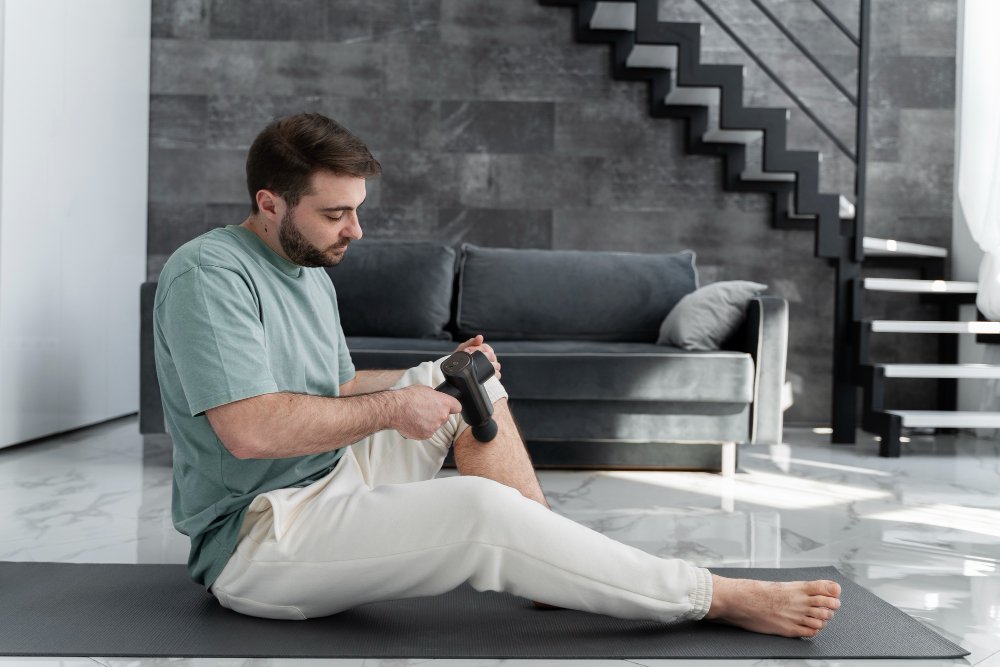
Lacing up your sneakers for the first time is a powerful step toward better health. Yet, for many new runners, that initial burst of enthusiasm can be quickly dampened by a familiar ache: knee pain. Often dismissed as an inevitable part of getting started, this discomfort is usually a clear signal from the body that something in the routine needs adjustment. The good news is that most knee pain in beginners is not only treatable but highly preventable with a strategic, home-based approach. By understanding the root causes and implementing a few key practices, you can build a resilient foundation for a lifetime of running.
Why Do Beginner Runners Get Knee Pain?
The most common culprit behind knee pain in new runners is a condition known as patellofemoral pain syndrome (PFPS), or “runner’s knee.” This isn’t a single injury but rather an umbrella term for pain around or behind the kneecap
www.burrardphysiotherapy.com. It typically arises from a combination of overuse, poor biomechanics, and insufficient strength in the muscles that support the entire lower kinetic chain—from the hips down to the ankles.
When a beginner suddenly increases their running distance or frequency, the repetitive stress on the knee joint can overwhelm its capacity to recover. This is especially true if the surrounding musculature—particularly the quadriceps, hamstrings, and hip stabilizers—is underdeveloped. Weakness in these areas can cause the kneecap to track improperly during the running stride, leading to irritation and inflammation.
Other contributing factors include running on hard surfaces like concrete, wearing worn-out or unsupportive footwear, and skipping a proper warm-up. The body’s mechanics are a finely tuned system; a small imbalance in one area, such as weak hips, can create a cascade of compensatory movements that ultimately strain the knee.
Build a Strong Foundation: The Power of At-Home Strength Training
A robust defense against knee pain starts with building strength, not just in the legs, but in the core and hips. Research consistently shows that a strong core and hip musculature are critical for maintaining proper alignment of the pelvis and femur, which directly influences how the knee moves during a run
In fact, studies have found that hip and core strengthening programs can lead to faster pain relief and greater functional gains than programs focused solely on the knee.
The beauty of this approach is that it requires no gym membership or expensive equipment. A simple, consistent home routine can yield significant results. Key exercises should target the glutes, quadriceps, hamstrings, and core. Effective movements include:
- Clamshells: This exercise isolates the gluteus medius, a crucial hip stabilizer that prevents the knee from caving inward.
- Straight Leg Raises: An excellent way to build quad strength without placing any compressive load on the knee joint itself richmondphysio.ca.
- Single-Leg Bridges: This move strengthens the glutes and hamstrings while challenging balance and pelvic stability compedgept.com.
- Planks: A foundational core exercise that teaches the body to maintain a stable trunk, reducing unwanted movement that can travel down to the knees.
For optimal results, aim to perform a circuit of 4-6 of these exercises at least three times per week. Consistency is far more important than intensity in the beginning. Scientific evidence supports this strategy, with one study demonstrating that a 12-week home exercise program significantly improved pain and function in individuals with PFPS.
The Critical Role of Your Running Shoes
Footwear is not a mere accessory for runners; it’s a primary piece of protective equipment. The right pair of running shoes acts as a sophisticated shock absorber, cushioning the impact of each footstrike and helping to distribute forces evenly across the foot and up the leg
drsonyaare.com. For a beginner, wearing the wrong shoes—or even a perfectly good pair that’s simply the wrong fit for their unique gait—can be a direct path to knee pain.
Overpronation, where the foot rolls inward excessively, is a common biomechanical issue that can place undue rotational stress on the knee joint
premiumsoc.com. A properly fitted running shoe, often with specific stability features, can help control this motion. It’s highly recommended that new runners visit a specialty running store for a gait analysis. Experts there can observe your running form and recommend a shoe that complements your natural stride, a service that can be a worthwhile investment in long-term joint health.
Beyond the initial fit, it’s crucial to replace running shoes every 300-500 miles. The midsole cushioning, which provides the essential shock absorption, breaks down over time, even if the outsole looks fine. Continuing to run in worn-out shoes is like driving a car with bald tires—it removes a critical layer of protection between you and the road.
Master Your Warm-Up (and Cool-Down)
Jumping straight into a run from a state of rest is a recipe for trouble. A dynamic warm-up is a non-negotiable ritual that prepares the body for the demands of running. It gradually increases heart rate, improves blood flow to the muscles, and activates the nervous system for coordinated movement. This process makes the tendons and ligaments more pliable and primes the joints for action, significantly reducing the risk of injury.
A proper pre-run warm-up should last 5-10 minutes and consist of dynamic movements, not static stretching. Effective exercises include leg swings (forward/back and side-to-side), high knees, butt kicks, walking lunges, and arm circles
www.asics.com. These movements mimic the actions of running, gently taking the body through its full range of motion.
After the run, a cool-down period with gentle static stretching can help maintain flexibility in the major muscle groups of the legs—the quads, hamstrings, calves, and hip flexors. While the evidence on stretching for injury prevention is mixed, maintaining good flexibility ensures that muscles aren’t pulling unevenly on the knee joint, which can contribute to tracking issues.
Choose Your Running Surface Wisely
The ground you run on has a direct impact on the amount of force transmitted through your knees. Hard, unforgiving surfaces like concrete sidewalks and asphalt roads offer little in the way of shock absorption, meaning your joints must absorb nearly all the impact of each stride.
For beginners, opting for softer surfaces can be a simple yet powerful strategy to reduce this stress. Grass fields, dirt trails, woodchip paths, and even a rubberized track provide a more forgiving platform that helps dissipate impact forces
bollsen.co.uk. Treadmills are another excellent option, as their belts are designed to be slightly springy, offering a consistent and controlled surface that is gentler on the joints than pavement
pho3nixclub.com. Incorporating these softer surfaces into your weekly routine, especially for your longer or recovery runs, can give your knees a much-needed break.
Smart Progression: The 10% Rule and Rest
One of the most common mistakes new runners make is doing too much, too soon. The body needs time to adapt to the new stresses of running. A sudden increase in mileage, speed, or frequency is a primary driver of overuse injuries like runner’s knee.
To avoid this, follow the “10% rule”: never increase your weekly mileage by more than 10% from the previous week. This gradual progression gives your bones, tendons, ligaments, and muscles the time they need to strengthen and become more resilient. It’s also essential to schedule regular rest days. For a beginner, running every other day is often a more sustainable and safer approach than trying to run daily. On off days, consider low-impact cross-training activities like cycling or swimming to maintain cardiovascular fitness without adding to the cumulative stress on the knees.
Fuel and Hydrate for Joint Health
While often overlooked, nutrition and hydration play a supporting role in joint health. Cartilage, the smooth tissue that cushions the ends of bones in the knee joint, is composed largely of water. Staying well-hydrated throughout the day helps maintain the health and resilience of this cartilage, ensuring the joint remains well-lubricated and functions smoothly
ozarkorthopaedic.com. Dehydration can lead to increased friction and stiffness, potentially exacerbating pain.
A balanced diet rich in anti-inflammatory foods—such as fruits, vegetables, fatty fish, and nuts—can also help manage the low-grade inflammation that can accompany the physical stress of starting a new exercise regimen. While no single food is a magic bullet, a nutrient-dense diet provides the raw materials your body needs for repair and recovery.
At-Home Prevention vs. Professional Help: A Quick Comparison
| Strategy | At-Home Focus | When to Seek Professional Help |
|---|---|---|
| Strength & Conditioning | Consistent home exercises for hips, core, and legs. | If pain persists after 2-3 weeks of a dedicated home program, or if you’re unsure about proper exercise form. |
| Footwear | Replacing old shoes and choosing a comfortable, supportive pair. | For a professional gait analysis to determine if you need specialized stability or motion-control shoes. |
| Pain Management | Rest, ice, and modifying your running routine. | If you experience severe pain, significant swelling, a feeling of instability, or an inability to bear weight on the knee www.nhs.uk. |
| Running Form | Focusing on a soft, light footstrike and avoiding overstriding. | A physical therapist can conduct a detailed running gait analysis to identify and correct subtle biomechanical flaws. |
Frequently Asked Questions (FAQ)
Q: What is the fastest way to get rid of runner’s knee? A: There is no instant fix, but the most effective immediate steps are to stop running, apply ice to the area for 15-20 minutes several times a day, and begin a targeted home exercise program focusing on hip and quad strength. Most cases of mild runner’s knee will start to improve within a few weeks with this conservative approach.
Q: Should I keep running if my knees hurt? A: No. Running through knee pain is likely to worsen the underlying issue and prolong recovery. It’s best to take a break from running and switch to a non-impact activity like swimming or cycling until the pain subsides. Once pain-free, you can gradually return to running, paying close attention to your form and training load.
Q: Are squats bad for your knees? A: When performed with proper form, squats are an excellent exercise for building the strength needed to support healthy knees. The key is to keep your knees aligned over your feet (not caving inward) and to avoid letting them travel far past your toes, which can increase pressure on the joint. Bodyweight squats are a great starting point for beginners.
Q: How long does it take for runner’s knee to heal? A: Recovery time varies greatly depending on the severity of the condition and the individual’s adherence to a treatment plan. With a consistent regimen of rest, ice, and a targeted strengthening program, many people see significant improvement in 4 to 6 weeks. However, full recovery can sometimes take several months.
Q: Can weak glutes cause knee pain? A: Absolutely. The gluteal muscles, especially the gluteus medius, are primary stabilizers of the hip. When they are weak, the thigh bone (femur) can rotate inward during a run, which pulls the kneecap out of its normal alignment. This faulty tracking is a direct cause of the pain associated with runner’s knee.
Q: When should I see a doctor for knee pain from running? A: You should seek medical attention if your knee pain is severe, doesn’t improve with rest and home care after two weeks, is accompanied by significant swelling or redness, or if you feel that your knee is unstable or “gives out” when you walk. These symptoms could indicate a more serious injury that requires professional diagnosis and treatment.
Conclusion: Your Path to Pain-Free Running Starts at Home
Knee pain doesn’t have to be the end of a beginner’s running journey; it can be a valuable lesson in listening to your body and building a smarter, more sustainable routine. The strategies for prevention are accessible, practical, and can be seamlessly integrated into your life from the comfort of your own home. By prioritizing strength training for your hips and core, investing in the right footwear, warming up properly, choosing kinder running surfaces, and progressing your mileage with patience, you lay the groundwork for a resilient and enjoyable running practice. Remember, the goal isn’t just to run today, but to be able to run for years to come. Start with these foundational steps, and you’ll be well on your way to achieving that goal.