

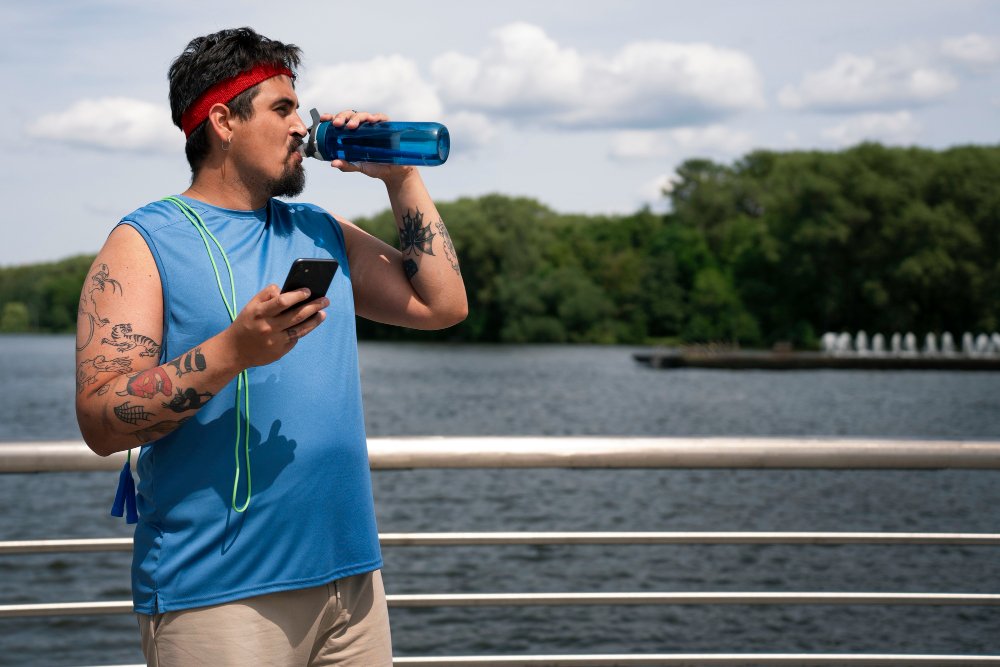
Summer marathon training demands careful attention to hydration because high temperatures and humidity accelerate fluid and electrolyte loss through sweat. Runners who maintain proper hydration support cardiovascular function, regulate body temperature, sustain energy levels, and reduce risks of heat-related issues that can derail training or race performance. A structured hydration plan tailored to summer conditions helps athletes adapt effectively while preparing for the demands of a full marathon.
Why Hydration Becomes Critical in Summer Marathon Training
Elevated ambient temperatures increase sweat production as the body works to dissipate heat. In humid conditions, sweat evaporates less efficiently, leading to faster rises in core body temperature and greater overall fluid demands. Even a 2% loss of body weight through dehydration can impair endurance, increase perceived effort, and elevate heart rate during runs.
Prolonged exposure to heat without adequate fluid replacement heightens the chance of heat exhaustion or more severe complications. Effective hydration preserves plasma volume, supports muscle contractions, and maintains cognitive focus—key factors for consistent training mileage and race-day success. Organizations like the American College of Sports Medicine emphasize that individualized fluid replacement strategies promote both safety and optimal physical performance in hot environments.
Understanding Individual Hydration Needs
Hydration requirements vary based on body size, sweat rate, fitness level, and environmental factors. Larger runners or those with higher sweat rates lose fluids more rapidly, while heat-acclimated athletes may handle losses more efficiently after gradual exposure.
To determine personal needs, calculate sweat rate by weighing before and after a timed run in similar conditions, accounting for any fluid consumed. The difference in pounds, converted to ounces (1 pound ≈ 16 ounces of fluid), reveals approximate hourly loss. In summer heat, rates often range from 1 to 2 liters per hour or more during intense efforts.
Factors such as humidity, running intensity, and duration further influence these numbers. Monitoring patterns over several sessions reveals consistent trends, allowing adjustments for longer long runs or race simulations.
Establishing a Strong Daily Hydration Foundation
Consistent daily hydration sets the stage for successful training sessions. Aim for pale yellow urine as a practical indicator of adequate status throughout the day. General targets often start around half an ounce of fluid per pound of body weight, with increases during heavy training blocks or hot weather.
Incorporate water-rich foods such as cucumbers, watermelon, oranges, and leafy greens to contribute to total intake. These options provide additional vitamins and minerals that support recovery. Spreading consumption evenly prevents large fluctuations and supports steady plasma volume.
Avoid relying solely on thirst, which can lag behind actual needs in heat. Carrying a reusable bottle and setting reminders helps maintain steady intake, especially on non-running days when training volume remains high.
Pre-Run Hydration Strategies
Starting runs in a well-hydrated state improves comfort and performance. Consuming 16 to 20 ounces of fluid 2 to 3 hours before heading out allows absorption and reduces the need for urgent bathroom stops early in the run. For morning sessions, 8 to 12 ounces upon waking can help top off levels.
On hotter days or before longer efforts, include a modest amount of sodium or an electrolyte drink to enhance retention. This approach proves especially useful for athletes prone to heavy sweating or cramping. Avoid overhydrating immediately before starting, as excess can lead to discomfort or diluted electrolyte balance.
Hydration During Summer Training Runs
During runs, the goal centers on minimizing excessive dehydration while avoiding overconsumption. For sessions under 60 minutes in moderate conditions, water often suffices if daily habits remain solid. Longer or hotter runs benefit from sipping 4 to 8 ounces every 15 to 20 minutes, targeting roughly 400 to 800 milliliters per hour depending on individual sweat rate.
Carrying fluids becomes essential in summer. Options include handheld bottles, hydration vests, or belts that allow easy access without disrupting rhythm. For efforts exceeding 60 to 90 minutes, electrolyte-enhanced drinks supply carbohydrates for energy and sodium to support absorption and prevent imbalances.
Practice the plan during training to identify what settles well and maintains pace. Early and frequent sipping outperforms waiting until thirst appears, particularly when temperatures climb.
Post-Run Rehydration for Recovery
Replenishing losses promptly aids recovery and prepares the body for subsequent sessions. For every pound lost during a run, consume 16 to 24 ounces of fluid in the hours afterward. Including sodium in recovery drinks or meals helps retain water and restore balance more effectively than plain water alone.
Pair fluids with a balanced snack containing carbohydrates and protein to support glycogen restoration and muscle repair. In extreme heat, extending intake over several hours prevents rapid shifts that could affect sleep or next-day energy.
The Critical Role of Electrolytes
Sweat contains significant sodium, along with smaller amounts of potassium, magnesium, and calcium. In summer conditions, heavy losses can lead to muscle cramps, fatigue, or reduced performance if not addressed. Electrolyte supplementation becomes particularly important for runs longer than an hour or in high heat and humidity.
Look for products or drinks providing 300 to 700 milligrams of sodium per hour of exercise, adjusted to personal sweat composition. Tablets, powders, or sports drinks offer convenient ways to customize intake. Harvard T.H. Chan School of Public Health resources note that electrolyte beverages can benefit prolonged vigorous activity by supporting fluid absorption and replacing key minerals.
Over time, tracking symptoms and performance helps refine the balance between water and electrolyte sources.
Monitoring Hydration Status and Making Adjustments
Regular assessment prevents small issues from escalating. Body weight changes, urine color, and subjective feelings of energy or focus provide valuable feedback. Performance dips, elevated heart rate at familiar paces, or unusual fatigue often signal inadequate replacement.
In summer blocks, conduct periodic sweat rate tests under representative conditions and adjust the plan accordingly. Weather variations, training intensity, and acclimation progress all warrant ongoing tweaks. Tools like training logs that note fluid intake, conditions, and how runs felt help identify effective patterns.
Recognizing and Preventing Dehydration and Overhydration
Dehydration symptoms include dark urine, dry mouth, headaches, dizziness, and muscle cramps. In severe cases, confusion or nausea may appear, signaling the need to stop activity and cool down. The Centers for Disease Control and Prevention highlight the importance of proactive fluid intake and monitoring to prevent heat-related illness during outdoor exercise.
Conversely, overhydration—often from excessive plain water intake—can dilute blood sodium levels, leading to exercise-associated hyponatremia. Symptoms range from bloating and headache to more serious neurological effects. The Mayo Clinic outlines that drinking to thirst and including electrolytes helps maintain safe balance during endurance activities.
Balancing intake to match losses remains the most reliable approach.
Integrating Nutrition with Hydration
Hydrating foods complement beverage strategies. Fruits and vegetables high in water content contribute fluids while delivering natural electrolytes and antioxidants. Post-run meals with salty elements, such as broths or pretzels, support sodium restoration.
Carbohydrate-electrolyte combinations during longer runs sustain energy and improve palatability, encouraging consistent consumption. Overall dietary patterns that emphasize balanced meals enhance the effectiveness of any hydration plan.
Heat Acclimation and Smart Training Scheduling
Gradual exposure to heat over 7 to 14 days improves sweat efficiency and cardiovascular stability, reducing relative fluid demands. Start with shorter sessions and build duration and intensity. The consensus recommendations on training in the heat stress the value of repeated exposures for better tolerance.
Schedule harder efforts during cooler parts of the day when possible. Early mornings or evenings lower both temperature and humidity stress. Indoor alternatives or cross-training on peak heat days preserve fitness without excessive risk.
Johns Hopkins Medicine resources reinforce the benefits of strategic timing and acclimation for athletes exercising in warm conditions.
Practical Tools and Approaches for Summer Runs
Hydration vests, insulated bottles, and electrolyte tablets enable reliable delivery during runs. Frozen bottles or cooling towels provide additional temperature management. Experimenting with flavors and concentrations improves adherence over long training cycles.
Hydration Strategies Compared: Key Differences for Summer Training
At-a-Glance Hydration Guidelines for Different Summer Training Scenarios
| Scenario | Primary Fluid Source | Approximate Intake | Electrolyte Focus | Primary Benefit |
|---|---|---|---|---|
| Short runs (<60 min) | Water or light mix | Sip as needed, match daily base | Low or none | Maintains comfort without excess |
| Long runs in heat (>90 min) | Electrolyte drink | 400–800 ml per hour | 300–700 mg sodium per hour | Sustains performance and prevents cramps |
| Recovery after heavy sweat | Mixed fluids + food | 16–24 oz per lb lost | Moderate sodium with meals | Speeds rehydration and muscle repair |
| Daily maintenance in heat | Water + hydrating foods | Half body weight in oz + extra | Occasional if heavy sweater | Builds strong baseline reserves |
This comparison illustrates how needs shift with duration, intensity, and conditions, guiding more precise planning.
Frequently Asked Questions About Hydration for Summer Marathon Training
How can runners accurately measure their sweat rate?
Perform a simple test: weigh before and after a 60-minute run without consuming fluids during, then calculate the difference. Repeat in target conditions for reliable data. Adjust intake based on the results for long runs.
Is it possible to overhydrate during training?
Yes. Consuming far more fluid than lost can lower blood sodium levels, risking hyponatremia. Drinking to thirst combined with electrolytes and monitoring body weight helps avoid this issue.
What are reliable daily indicators of good hydration?
Pale yellow urine, regular energy levels, and stable performance serve as practical markers. Dark urine or persistent fatigue suggests increasing fluid and electrolyte intake.
Do morning and evening runs require different hydration approaches?
Morning runs often benefit from extra pre-run fluids after overnight fasting, while evening sessions may need more emphasis on daytime consumption and post-run recovery to counter accumulated heat exposure.
How does heat acclimation change hydration requirements over time?
Acclimated runners typically sweat more efficiently and lose less sodium relative to fluid. This adaptation can slightly lower overall demands, but monitoring remains essential as total volume still increases in heat.
Are electrolyte supplements necessary for every summer training session?
Not for shorter or cooler efforts, but they become valuable for runs over an hour or in high heat. Individual sweat testing and symptom tracking guide the decision.
How do hydrating foods fit into the overall plan?
They supplement beverages by providing steady fluid and micronutrients. Emphasizing produce in meals and snacks enhances total intake without relying solely on drinks.
When should a runner seek professional guidance on hydration?
Persistent cramping, unusual fatigue, or difficulty maintaining weight stability despite following guidelines warrant consultation with a sports dietitian or physician for personalized testing and advice.
Building Long-Term Success Through Consistent Hydration Practices
A thoughtful hydration plan forms a cornerstone of effective summer marathon training. By addressing needs across daily habits, pre-run preparation, in-run fueling, and post-run recovery, runners create conditions for sustained progress and reduced injury risk. The interplay of fluids, electrolytes, nutrition, and heat management delivers compounding benefits that extend beyond single sessions to overall training resilience.
Personalization stands as the distinguishing factor. What works for one athlete may require adjustment for another based on physiology, environment, and training load. Regular testing, symptom monitoring, and plan refinement ensure the strategy evolves alongside fitness gains and seasonal changes.
The rewards of diligent hydration appear in steadier paces, faster recovery, and greater confidence heading into race day. In summer conditions, where heat amplifies every physiological demand, these practices safeguard health while unlocking higher levels of endurance performance. Runners who commit to evidence-based strategies and ongoing observation position themselves for strong finishes and continued enjoyment of the sport.
Start by assessing current habits against the guidelines outlined here. Incorporate sweat rate testing, experiment with electrolyte options during key workouts, and track outcomes over several weeks. Small, consistent adjustments often yield the most meaningful improvements. With a solid hydration foundation, summer marathon training becomes not only manageable but a period of significant adaptation and growth. Consult sports medicine professionals when needed to fine-tune the approach for individual circumstances, ensuring safe and successful preparation for the marathon distance.