

Introduction
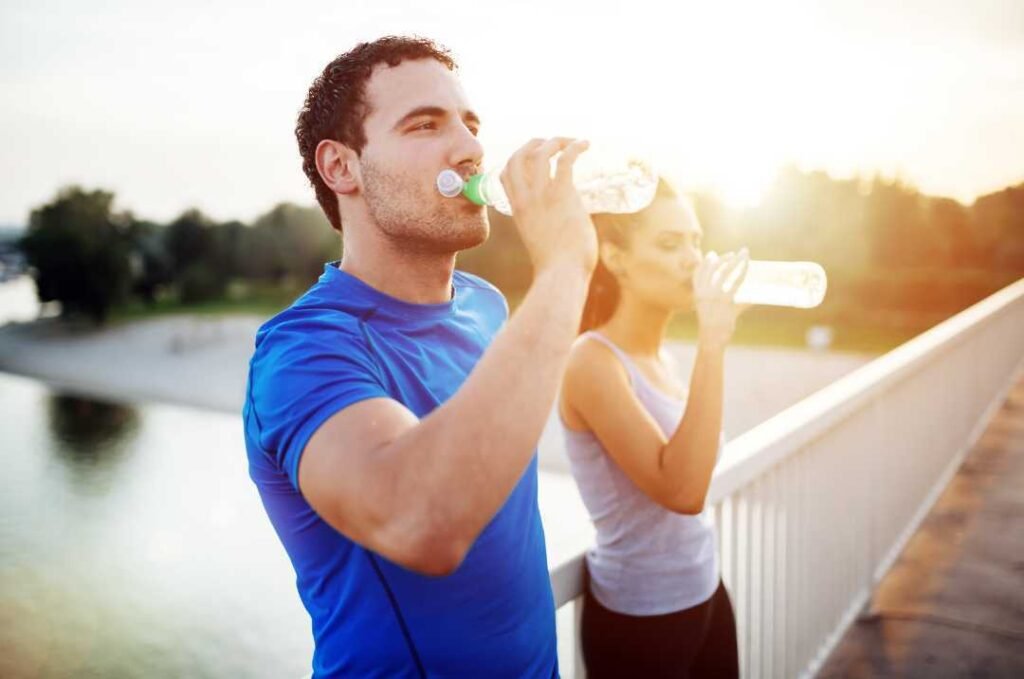
Exercising in hot weather places extraordinary demands on the body’s cooling and fluid regulation systems. When temperatures soar and humidity climbs, even routine workouts become physiological challenges that require careful planning and strategic hydration. The combination of heat exposure and physical exertion accelerates fluid loss through sweat, sometimes reaching rates of two to three liters per hour in extreme conditions.
Understanding proper hydration for hot weather workouts goes beyond simply drinking more water. It involves timing, electrolyte balance, pre-exercise preparation, and recognizing warning signs before they become dangerous. This comprehensive guide provides actionable strategies backed by sports science research and real-world athletic practices, helping exercisers of all levels maintain performance and safety during summer training sessions.
Understanding Fluid Loss During Hot Weather Exercise
The human body maintains core temperature through thermoregulation, primarily using sweat evaporation as its cooling mechanism. During hot weather workouts, this system works overtime. Athletes and fitness enthusiasts can lose between 0.5 to 2.5 liters of fluid per hour depending on intensity, environmental conditions, and individual physiology.
Temperature and humidity create a compound effect on fluid requirements. High humidity reduces sweat evaporation efficiency, forcing the body to produce more sweat to achieve the same cooling effect. When air temperature exceeds skin temperature, the body faces additional heat gain from the environment, further increasing fluid needs.
Individual sweat rates vary dramatically based on genetics, fitness level, heat acclimatization, and body size. Larger individuals typically sweat more due to greater metabolic heat production. Well-trained athletes often develop more efficient sweating mechanisms that activate earlier and produce higher volumes.
Pre-Workout Hydration Foundation
Starting exercise in a well-hydrated state provides crucial advantages for performance and safety. The hydration process should begin hours before workout time, not minutes. Consuming 500 to 600 milliliters of fluid two to three hours before exercise allows adequate time for absorption and kidney function to regulate optimal hydration status.
Body weight serves as a practical hydration assessment tool. Checking weight first thing in the morning establishes a baseline. Significant day-to-day fluctuations often indicate hydration status changes. A loss exceeding one percent of body weight typically suggests inadequate fluid intake from the previous day.
Urine color provides another convenient indicator. Pale yellow resembling lemonade indicates good hydration, while dark amber suggests fluid deficit. However, vitamin supplements and certain foods can affect urine color, so this method works best when combined with other assessments.
Pre-exercise meals containing both carbohydrates and moderate sodium help retain fluids more effectively than water alone. Sodium triggers thirst mechanisms and promotes fluid retention in body tissues. Breakfast options like oatmeal with fruit and a pinch of salt, or whole grain toast with eggs, provide this beneficial combination.
Strategic Fluid Intake During Exercise
Drinking according to a predetermined schedule rather than thirst alone helps maintain hydration during intense heat exposure. Thirst mechanisms lag behind actual fluid needs, especially during vigorous activity. By the time significant thirst develops, dehydration may already be affecting performance.
Most athletes benefit from consuming 150 to 250 milliliters every 15 to 20 minutes during exercise. This regular intake pattern prevents the stomach discomfort that large volumes can cause while maintaining steady fluid replacement. Setting timer reminders or planning drinks at specific distance markers helps establish this rhythm.
Fluid temperature influences both palatability and absorption. Moderately cool liquids between 15 to 20 degrees Celsius taste more refreshing and may encourage greater consumption compared to warm or ice-cold options. Very cold fluids can cause stomach cramping in some individuals during vigorous exercise.
For activities lasting under 60 minutes in hot conditions, water typically suffices. Longer duration sessions benefit from beverages containing carbohydrates and electrolytes. The combination supports both hydration and energy needs while replacing minerals lost through sweat.
Electrolyte Balance and Sports Drinks
Sodium represents the most critical electrolyte lost through perspiration, with concentrations ranging from 500 to 2000 milligrams per liter of sweat. Heavy sweaters working intensely in heat may lose 2000 to 3000 milligrams per hour. Without replacement, sodium depletion can lead to muscle cramping, fatigue, and in severe cases, hyponatremia.
Sports drinks formulated for endurance activities typically contain 300 to 700 milligrams of sodium per liter along with other electrolytes like potassium and magnesium. These concentrations help replace losses while maintaining the body’s delicate fluid balance. Drinks with six to eight percent carbohydrate content provide energy without slowing gastric emptying.
Recognizing individual sodium needs proves challenging without sweat testing, but visible salt residue on clothing or skin after exercise indicates higher losses. Athletes noticing these signs or experiencing frequent cramping benefit from higher sodium intake through drinks, supplements, or salty snacks.
Homemade electrolyte solutions offer cost-effective alternatives to commercial products. Mixing 500 milliliters of water with 100 milliliters of fruit juice, a quarter teaspoon of salt, and optional honey creates a functional sports drink. This approach allows customization of flavor and concentration based on personal preferences.
Timing Strategies for Different Workout Types
Running in hot weather demands particular attention to hydration logistics. Carrying fluids or planning routes with water fountain access becomes essential for runs exceeding 30 minutes. Handheld bottles, hydration vests, or strategically placed water caches solve the carrying challenge without significantly impacting running mechanics.
Cycling provides easier hydration opportunities through bottle cages and the ability to drink while maintaining movement. Cyclists should target consumption of one standard bottle every 30 to 45 minutes during hot weather rides. The airflow while cycling can mask how much fluid is being lost, making scheduled drinking even more important.
Outdoor strength training sessions require modified approaches. Setting water bottles at workout stations and taking sips between sets maintains hydration without disrupting the training flow. The combination of heat exposure and resistance exercise creates substantial fluid demands despite potentially shorter overall workout duration.
Team sports present unique challenges due to continuous play with limited break opportunities. Maximizing fluid intake during timeouts, substitutions, and halftime becomes critical. Pre-cooling strategies like consuming cold beverages and using cooling vests before competition help reduce thermal strain.
Post-Exercise Rehydration Protocols
Recovery begins immediately after exercise ends, with fluid replacement serving as the foundation for restoration. The goal involves replacing 125 to 150 percent of fluid lost during activity over the subsequent two to four hours. This extra volume accounts for ongoing urine production during the recovery period.
Calculating fluid needs requires knowing weight change from pre to post-exercise. For each kilogram lost, consuming 1.25 to 1.5 liters of fluid over several hours promotes complete rehydration. Drinking all at once overwhelms absorption capacity and increases urine production, reducing efficiency.
Combining fluids with foods containing natural sodium enhances retention. Recovery meals or snacks featuring pretzels, soup, sandwiches, or yogurt provide both fluid and sodium. Fruits with high water content like watermelon, oranges, and berries contribute additional hydration while supplying beneficial vitamins and antioxidants.
Alcohol should be avoided during the recovery window following hot weather workouts. Despite containing fluid, alcoholic beverages increase urine production and impair the body’s rehydration processes. Waiting until complete rehydration occurs before consuming alcohol prevents compounding dehydration effects.
Warning Signs and Heat-Related Illness Prevention
Recognizing early dehydration symptoms allows intervention before serious complications develop. Decreased performance, unusual fatigue, headaches, dizziness, and reduced coordination all signal inadequate hydration. Dark urine during or immediately after exercise confirms significant fluid deficit.
Heat exhaustion represents a more serious condition requiring immediate attention. Symptoms include heavy sweating, weakness, cold and clammy skin, nausea, and rapid pulse. Moving to shade or air conditioning, removing excess clothing, and consuming cool fluids helps reverse heat exhaustion when caught early.
Heat stroke constitutes a medical emergency characterized by high body temperature above 40 degrees Celsius, altered mental state, rapid breathing, and potentially absent sweating. This condition requires immediate emergency services contact and aggressive cooling measures while waiting for professional help.
Muscle cramping during hot weather exercise often relates to electrolyte imbalances rather than simple dehydration. While increasing fluid intake helps, addressing sodium and potassium needs through appropriate beverage selection or food intake provides more effective relief. Gentle stretching and massage can ease acute cramps.
Environmental Condition Modifications
Monitoring heat index values helps determine appropriate workout modifications. When heat index reaches 32 degrees Celsius or higher, reducing intensity, duration, or moving exercise to cooler times becomes prudent. Early morning or evening sessions avoid peak heat hours while providing safer training conditions.
Humidity levels above 70 percent dramatically increase heat stress regardless of temperature. The combination of high temperature and humidity creates dangerous conditions even for well-acclimatized individuals. Indoor alternatives or water-based activities offer safer options during extreme weather.
Acclimatization to heat requires progressive exposure over 10 to 14 days. Initial hot weather workouts should involve reduced intensity and duration with gradual increases as the body adapts. This adaptation process improves sweating efficiency, expands blood volume, and enhances cardiovascular responses to heat stress.
Wearing appropriate clothing supports thermoregulation and comfort. Light-colored, loose-fitting garments made from moisture-wicking fabrics facilitate sweat evaporation and heat dissipation. Avoiding cotton, which retains moisture, prevents the wet, heavy feeling that impairs cooling and increases perceived exertion.
Practical Hydration Tools and Methods
Weighing before and after workouts provides objective data for personalizing hydration strategies. Recording these measurements along with environmental conditions, workout details, and fluid intake reveals individual patterns. This information guides future preparation and helps identify circumstances requiring additional attention.
Hydration apps and smartwatch features offer reminders and tracking capabilities. Setting alarms at regular intervals prompts drinking according to schedule rather than relying on thirst. Digital logs make pattern recognition easier compared to mental tracking alone.
Carrying adequate fluid supplies requires planning based on workout type and duration. Runners might choose between handheld bottles, waist belts, or hydration backpacks based on personal comfort and distance. Cyclists benefit from multiple bottle cages for longer rides. Gym workouts simply need a sufficient water bottle at the workout area.
Taste preferences significantly influence consumption volume. Experimenting with different beverages, temperatures, and flavor additions helps identify options that encourage adequate intake. Some individuals drink more when fluids taste appealing, making palatability an important consideration beyond nutritional content alone.
Special Considerations for Different Populations
Older adults face increased heat-related risks due to reduced thirst sensitivity, decreased sweating capacity, and potential medication effects on thermoregulation. Extra vigilance regarding scheduled fluid intake and environmental monitoring becomes essential for this population during hot weather exercise.
Children and adolescents have higher surface area to body mass ratios, producing more metabolic heat per kilogram. Their developing thermoregulatory systems also respond less efficiently to heat stress. Supervision, frequent breaks, and encouraged fluid intake help protect young exercisers during hot conditions.
Individuals with certain medical conditions or taking specific medications require modified approaches. Diuretics, blood pressure medications, and some psychiatric drugs affect fluid balance or thermoregulation. Consulting healthcare providers about exercise hydration strategies in these situations ensures safety.
Pregnant women experience increased blood volume, metabolic rate, and heat production. Combined with hot weather and exercise, these factors create substantial hydration demands. Maintaining comfortable body temperature and adequate fluid intake protects both maternal and fetal wellbeing during physical activity.
Frequently Asked Questions
How much water should be consumed before starting a workout in hot weather?
Optimal pre-exercise hydration involves consuming 500 to 600 milliliters of fluid approximately two to three hours before beginning activity. This timing allows the body to absorb the fluid, achieve proper hydration status, and eliminate excess through urination before exercise starts. Adding another 200 to 300 milliliters about 15 to 20 minutes before starting provides a final top-off without causing stomach fullness or discomfort. The specific amount may need adjustment based on body size, with larger individuals requiring volumes on the higher end of these ranges. Environmental conditions also influence needs; extremely hot or humid days warrant consuming toward the upper end of recommendations. Checking urine color before exercise helps verify adequate hydration status. If urine appears dark yellow despite following these guidelines, additional fluid intake may be necessary. The fluid choice matters as well; beverages containing small amounts of sodium and carbohydrates promote better retention compared to plain water alone.
What are the best beverages for hydration during intense summer workouts?
Beverage selection depends primarily on workout duration and intensity. For activities lasting under 60 minutes, plain water adequately meets hydration needs for most exercisers. When sessions extend beyond one hour or involve particularly intense effort in hot conditions, sports drinks containing electrolytes and carbohydrates become beneficial. The ideal sports drink contains four to eight percent carbohydrate concentration and provides 300 to 700 milligrams of sodium per liter. This combination supports energy levels while replacing minerals lost through heavy sweating. Coconut water offers a natural alternative with moderate electrolyte content, though it typically contains less sodium than commercial sports drinks. For budget-conscious options, diluted fruit juice with added salt creates an effective homemade solution. Cold beverages between 15 to 20 degrees Celsius taste more refreshing and may encourage greater consumption compared to warm options. Avoiding drinks with high sugar concentrations prevents delayed gastric emptying that can cause stomach discomfort. Caffeinated beverages in moderate amounts do not cause dehydration as once believed, but excessive caffeine may increase heart rate and perceived exertion in hot conditions.
How can someone tell if they are drinking enough water during exercise?
Multiple indicators help assess hydration adequacy during physical activity. Monitoring body weight changes provides the most objective measurement; weighing before and after exercise reveals fluid losses. Weight loss exceeding two percent of starting body weight indicates significant dehydration affecting performance. Thirst represents a helpful but delayed signal; by the time strong thirst develops, dehydration may already be present. Urine color serves as a practical indicator between workout sessions, with pale yellow suggesting good hydration and dark amber indicating deficit. During exercise, paying attention to sweat rate gives clues about fluid needs. Heavy, continuous sweating in hot conditions signals the need for aggressive fluid replacement. Performance monitoring also reveals hydration status; unexplained declines in speed, power, or coordination may relate to inadequate fluid intake. Heart rate elevation beyond expected levels for the given effort intensity can indicate dehydration stress on the cardiovascular system. Headaches, dizziness, or unusual fatigue during hot weather workouts often point to insufficient hydration. The absence of urination for several hours after completing exercise suggests inadequate rehydration during the recovery period.
Can drinking too much water during hot weather exercise be dangerous?
Excessive fluid intake, particularly of plain water, can lead to hyponatremia, a potentially serious condition where blood sodium levels drop dangerously low. This situation occurs when fluid consumption significantly exceeds sweat losses, diluting the blood’s sodium concentration. Hyponatremia risk increases during prolonged activities lasting several hours, especially when individuals drink large volumes attempting to prevent any weight loss whatsoever. Symptoms include nausea, headache, confusion, and in severe cases, seizures or loss of consciousness. Ironically, these symptoms resemble dehydration, sometimes leading to incorrect treatment with additional fluids that worsen the condition. Preventing hyponatremia involves drinking according to thirst and sweat losses rather than forcing excessive amounts. Using sports drinks containing sodium instead of plain water during extended hot weather activities provides protection. The general guideline of not gaining weight during exercise helps prevent overhydration. Most recreational exercisers face greater risk from under-hydrating than over-hydrating, but endurance athletes and those drinking aggressively throughout long events should understand both risks. Balancing fluid intake with electrolyte consumption and listening to the body’s signals creates the safest approach.
What hydration strategies work best for people who struggle to drink enough during workouts?
Several practical approaches help individuals who find adequate fluid intake challenging during exercise. Setting timed reminders eliminates reliance on unreliable thirst signals; alarms every 15 to 20 minutes prompt regular drinking regardless of perceived need. Choosing beverages with appealing flavors significantly increases consumption for many people; experimenting with different sports drinks, flavored waters, or adding natural fruit slices to water can make drinking more enjoyable. Keeping fluids at preferred temperatures encourages greater intake; some individuals drink more when beverages are very cold while others prefer moderately cool options. Using containers with measurement markings creates visual goals and accountability for consumption targets. Carrying hydration systems that allow drinking without interrupting activity, such as hydration packs with tubes or sport bottles with built-in straws, removes barriers to frequent sipping. Breaking the total fluid goal into smaller, manageable portions throughout the workout makes the task feel less overwhelming. Practicing hydration strategies during training rather than waiting for important events helps establish comfortable routines. For those experiencing stomach discomfort with fluid intake during exercise, consuming smaller volumes more frequently rather than large amounts at once often resolves the issue. Starting workouts well-hydrated reduces the total amount needed during activity, making the goal more achievable for reluctant drinkers.
Conclusion
Proper hydration for hot weather workouts requires knowledge, planning, and consistent execution. The combination of environmental heat stress and physical exertion creates fluid demands that exceed normal daily intake requirements. Understanding individual sweat rates, environmental impacts, and appropriate beverage selection forms the foundation for safe and effective exercise during summer months.
Success comes from implementing comprehensive strategies that address hydration before, during, and after activity. Pre-exercise preparation establishes optimal starting conditions, regular intake during workouts maintains balance, and structured recovery protocols restore depleted fluids and electrolytes. Recognizing warning signs and adjusting plans based on conditions prevents dangerous heat-related complications.
The information presented here provides evidence-based guidance applicable to various fitness levels and activities. However, individual needs vary, and paying attention to personal responses remains crucial. Tracking hydration practices and their outcomes helps refine strategies over time, creating personalized approaches that support both performance and wellbeing during hot weather training.
About the Author
Sohel is a fitness and wellness writer dedicated to providing practical, research-backed information that helps people achieve their health goals safely and effectively. With a focus on evidence-based strategies and clear communication, Sohel creates content that bridges the gap between scientific research and everyday application for active individuals seeking reliable guidance.
Okay, W500, might as well check it out. Someone told me they had a good bonus going on. I’ll update if I try it, but if bonuses are your style w500.