

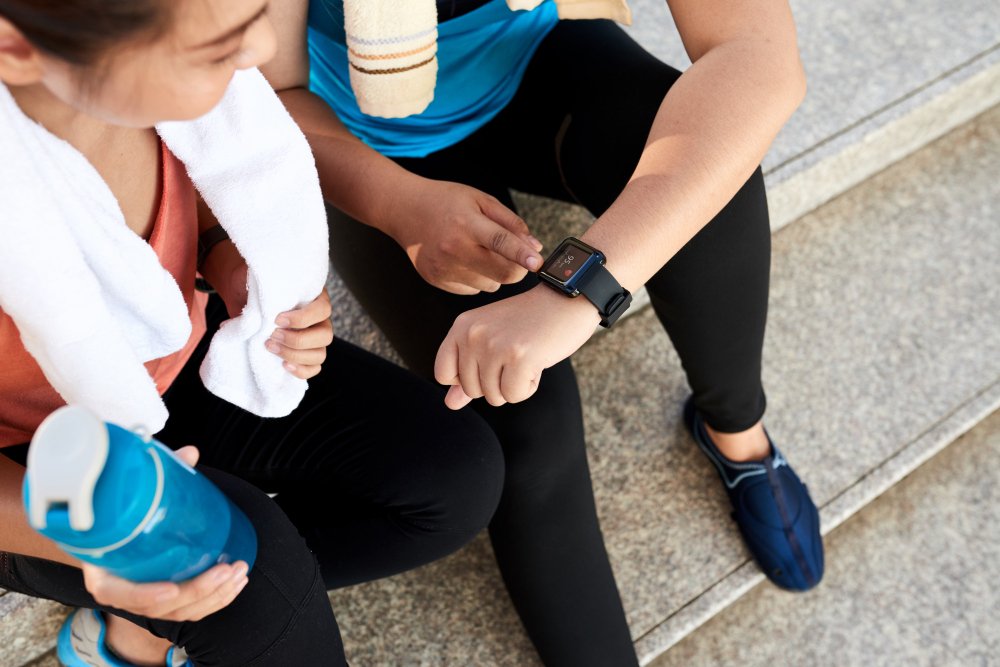
Starting a running routine brings noticeable improvements in cardiovascular health, mood, and overall fitness levels. For newcomers, a dedicated fitness watch simplifies the process by delivering clear, actionable data right on the wrist. In 2026, the market offers accessible options that balance essential running metrics with user-friendly designs, helping beginners build sustainable habits without feeling overwhelmed by excessive features.
These devices track distance, pace, and heart rate accurately, allowing runners to observe patterns over weeks and months. Consistent data collection supports gradual progression, which research links to better adherence and reduced dropout rates among new exercisers. The right watch also provides motivation through visible progress, such as weekly mileage totals or improvements in average pace.
Key Features to Prioritize in a Fitness Watch for Beginners
Beginner runners benefit most from watches that emphasize core tracking capabilities over advanced analytics. Accurate GPS stands out as essential because it measures distance and pace reliably, even on unfamiliar routes. Dual-frequency or multi-band GPS systems, now common in entry-level models, minimize signal loss in urban areas or under tree cover, delivering data close to actual performance.
Heart rate monitoring via optical wrist sensors helps runners understand effort levels. Staying within appropriate zones—such as zone 2 for building aerobic base—promotes efficient training and reduces injury risk. While wrist-based readings work well during steady runs, they can vary during high-intensity intervals, so beginners often cross-reference with perceived effort.
Battery life matters for convenience. Models lasting 15+ days in smartwatch mode or 20+ hours with GPS active eliminate frequent charging, which supports uninterrupted tracking during build-up weeks. Lightweight designs under 40 grams enhance comfort during longer outings, while clear, bright displays (often AMOLED in 2026) ensure readability in sunlight.
Ease of use appears through intuitive interfaces, quick-start buttons, and simple apps. Features like daily suggested workouts or basic training plans guide beginners without requiring deep technical knowledge. Additional perks, such as music storage or smartphone notifications, add value but should not overshadow running-specific performance.
Top Fitness Watches for Beginner Runners in 2026
Coros Pace 4: Best Overall Value and Battery Life
The Coros Pace 4 earns frequent recognition as a standout choice for new runners due to its combination of performance, affordability, and simplicity. Priced around $249, it features a lightweight build (approximately 35 grams) and a vibrant AMOLED display that remains legible during runs. Dual-frequency GPS acquires signals quickly, often within seconds, and maintains accuracy across varied terrains.
Battery performance stands out, with up to 19 days in typical use and 24–31 hours in GPS mode. This reliability suits beginners increasing weekly mileage gradually. The EvoLab system offers practical insights, including training load, fitness trends, and suggested pace ranges, presented clearly without overwhelming detail. Voice note features allow quick logging of session feedback, such as how a route felt or adjustments needed.
Runners appreciate the straightforward app integration and lack of unnecessary smartwatch distractions. For those focused primarily on running progress, the Pace 4 delivers essential tools at a competitive price point. Official details and current configurations appear on the Coros website.
Garmin Forerunner 165: Best for Structured Training Guidance
The Garmin Forerunner 165, starting at approximately $250, provides a strong entry into the Garmin ecosystem while keeping things approachable for novices. Its AMOLED touchscreen offers sharp visuals and customizable data screens, making it easy to glance at current pace, heart rate, or split times mid-run. Battery life reaches up to 11 days in smartwatch mode and about 19 hours with GPS.
Garmin Coach delivers adaptive training plans tailored to goals like completing a first 5K or 10K. Daily suggested workouts adjust based on recent activity and recovery metrics, helping beginners progress safely. The watch tracks running dynamics basics and estimates VO2 max, giving context to fitness improvements over time.
The interface balances depth with accessibility, and the companion app provides detailed post-run analysis. Music storage on the higher model adds convenience for phone-free runs. This option suits runners who value guided progression and may expand into other activities later. Full specifications are available on the Garmin Forerunner 165 page.
Suunto Run: Best Lightweight and Straightforward Option
The Suunto Run delivers excellent value at around $249 with a focus on core running needs in an ultralight 36-gram package. Its AMOLED screen delivers clear, colorful data, and dual-band GPS ensures reliable tracking. Battery life supports up to 12 days in daily use and extended GPS sessions, making it practical for consistent training.
Offline music storage, structured workouts, and straightforward navigation appeal to beginners who want functionality without complexity. The watch emphasizes essential metrics while offering room to grow, such as through training load tracking and recovery insights.
Users note comfortable wear and intuitive controls, ideal for those new to wearables. The clean design and performance focus make it a strong alternative for road runners prioritizing simplicity and durability. More information is available through Suunto resources.
Comparison of Top Fitness Watches for Beginner Runners in 2026
| Watch Model | Approximate Price | Battery Life (GPS Mode) | Weight | Standout Features | Best For |
|---|---|---|---|---|---|
| Coros Pace 4 | $249 | 24–31 hours | ~35g | Dual-frequency GPS, EvoLab insights, voice notes, exceptional battery | Value, battery life, simplicity |
| Garmin Forerunner 165 | $250 | Up to 19 hours | ~42g | Adaptive training plans, Garmin Coach, AMOLED display, music option | Structured guidance and ecosystem |
| Suunto Run | $249 | Up to 40 hours (varies by mode) | 36g | Lightweight design, music storage, accurate GPS, clean interface | Minimalist performance tracking |
This table highlights how each model addresses common beginner priorities differently. Selection depends on individual preferences for guidance versus pure simplicity.
How to Choose the Right Fitness Watch
Budget plays a central role, with strong options available under $300 that avoid compromising on core accuracy. Runners committed to iOS devices may prefer models with seamless phone integration, while others benefit from cross-platform compatibility.
Training goals influence the decision. Those aiming for structured plans benefit from adaptive coaching features, whereas casual trackers focused on consistency may prioritize long battery life and lightweight comfort. Wrist size and preferred style also matter—most entry-level watches offer adjustable bands for a secure fit.
Consider future needs. A watch that grows with the runner, such as one supporting longer distances or additional sports, provides better long-term value. Reviews from trusted sources help validate real-world performance.
Practical Tips for Using a Fitness Watch Effectively
Beginners gain the most by starting with basic tracking: record every run to establish baseline data. Over time, patterns emerge, such as improved average pace or better heart rate recovery. Using suggested workouts introduces variety, such as intervals or tempo efforts, which build fitness efficiently.
Monitor recovery indicators, including resting heart rate trends or sleep data when available, to avoid overtraining. Many watches suggest rest days or easier efforts based on accumulated load. Pairing the watch with apps like Strava allows community sharing and route discovery, which can enhance motivation.
Focus on one or two metrics initially—perhaps weekly distance and average heart rate—to prevent data overload. As comfort grows, incorporate more insights, such as pace zones for targeted training. Regular software updates from manufacturers often add refinements that benefit users at all levels.
Common Considerations and Setup Advice
Proper fit ensures accurate heart rate readings; wear the watch snugly but comfortably, about one finger-width above the wrist bone. Calibrate GPS on the first few outdoor runs in open areas for optimal performance. Syncing regularly with the phone app unlocks full analysis and plan updates.
For injury prevention, combine watch data with attention to running form, adequate warm-ups, and strength training. Resources from organizations like the Mayo Clinic emphasize using trackers to support, rather than replace, professional guidance when needed.
FAQ: Common Questions About Fitness Watches for Beginner Runners
What features are truly essential for a new runner?
Accurate GPS for distance and pace, plus reliable heart rate monitoring, form the foundation. Battery life and an easy interface come next. Advanced metrics become useful later but are not required initially.
Can a fitness watch help prevent running injuries?
Yes, indirectly. By tracking load, heart rate zones, and recovery, it encourages balanced training and flags potential overexertion. Pairing data with proper progression, rest, and strength work yields the best results.
Is GPS necessary if I mostly run on a treadmill or known routes?
GPS adds value for outdoor variety and accurate mapping, but indoor modes or manual distance entry work for consistent paths. Most beginners eventually appreciate outdoor tracking capabilities.
How accurate is wrist-based heart rate for beginners?
Modern optical sensors perform well during steady-state runs. High-intensity efforts or very hot/cold conditions may show slight variations. Perceived effort remains a useful cross-check.
How long does the battery typically last in real use?
Entry-level models in 2026 often deliver 10–19 days with mixed use and 20+ hours of GPS. Actual duration depends on screen brightness, notifications, and GPS frequency.
Should beginners consider an Apple Watch instead?
The Apple Watch offers excellent integration for iPhone users and solid tracking, though battery life is shorter (typically 18–36 hours). Dedicated running watches generally provide longer GPS sessions and more running-specific tools.
Do I need to charge the watch every day?
No. Most recommended models support multi-day use, reducing charging frequency compared to full smartwatches. This convenience supports consistent wear and data collection.
What if I outgrow my first watch quickly?
Many beginners upgrade after 1–2 years as goals expand. Starting with a capable yet affordable model minimizes initial investment while providing a strong foundation.
Conclusion
Selecting the best fitness watch for beginner runners in 2026 involves balancing essential tracking features, comfort, battery performance, and ease of use. Options like the Coros Pace 4, Garmin Forerunner 165, and Suunto Run demonstrate that high-quality tools are now more accessible than ever, offering reliable data to support safe, enjoyable progression.
These devices transform running from guesswork into informed practice, revealing insights that encourage consistency and measurable improvement. Whether prioritizing exceptional battery life, guided training plans, or lightweight simplicity, a suitable watch exists within most budgets.
The journey begins with the first recorded run. Over time, accumulated data tells a story of growing capability and resilience. Combine the watch with comfortable shoes, attention to form, and realistic goals to build a sustainable running habit. As 2026 unfolds, the right fitness watch serves not just as a tracker, but as a steady partner in discovering the rewards of regular running. Explore current models, read detailed reviews from sources like Wirecutter and Runner’s World, and choose the one that aligns with your starting point and aspirations. Consistent steps forward, supported by clear data, lead to lasting results.