

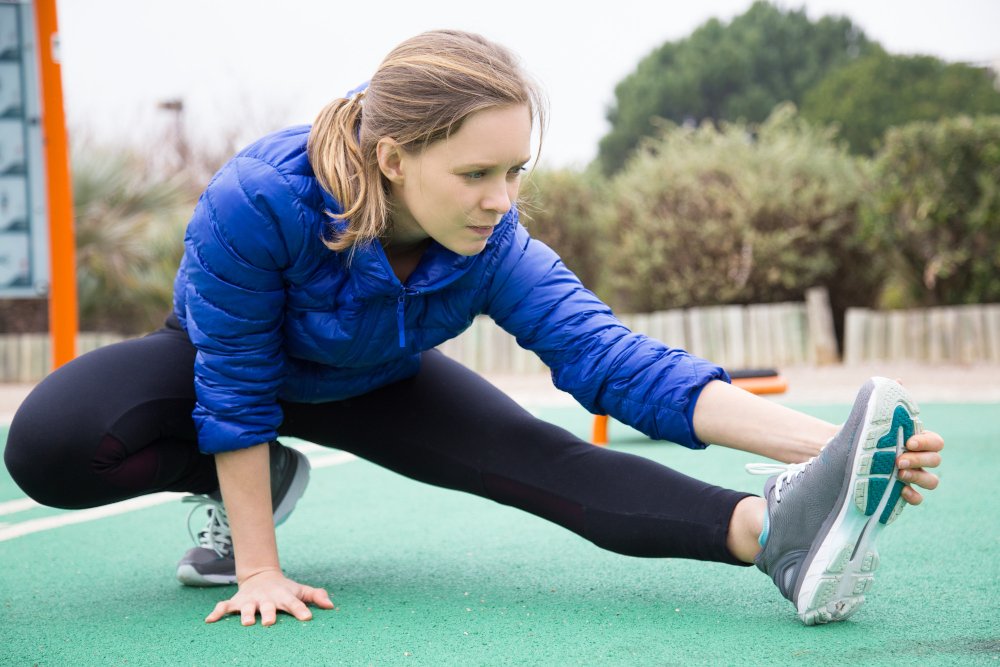
Runners push their bodies through repetitive impact and forward motion, which places significant demand on the lower body muscles and connective tissues. After a run, muscles like the calves, hamstrings, quadriceps, and hip flexors often feel tight and shortened. A structured post-workout stretching routine helps restore length to these muscles, supports better range of motion, and promotes overall recovery.
This routine focuses on static stretching performed when muscles are still warm, aligning with established guidelines from fitness and health authorities. Consistent practice can lead to improved running economy, easier daily movement, and a lower likelihood of common tightness-related issues. The following sections break down why stretching matters after runs, the supporting evidence, key principles, and a complete step-by-step routine tailored specifically for runners.
Why Post-Workout Stretching Matters for Runners
Running involves thousands of strides that repeatedly contract and lengthen key muscle groups. Without intentional lengthening afterward, these muscles can remain in a shortened state, contributing to reduced mobility over time. Post-run stretching encourages blood flow to the worked areas, which supports the removal of metabolic byproducts and helps muscles return toward their resting length.
Flexibility plays a role in maintaining efficient running form. Tight hip flexors, for example, can limit stride length and contribute to compensatory patterns that stress the lower back or knees. Regular stretching addresses these areas directly. According to resources from the Mayo Clinic, stretching after activity when muscles are warm proves most effective for improving flexibility and joint range of motion.
Many runners notice less stiffness in the days following a run when they include dedicated stretching. This practice also complements other recovery strategies, such as proper hydration, nutrition, and sleep. While individual responses vary based on training volume, terrain, and footwear, the cumulative effect of consistent stretching supports long-term running sustainability.
The Science and Evidence Behind Post-Run Stretching
Research on post-exercise stretching reveals a nuanced picture. A systematic review and meta-analysis published in Frontiers in Physiology examined the effects of post-exercise stretching on strength recovery, range of motion, and delayed onset muscle soreness (DOMS). The analysis found no significant advantage over passive rest for reducing soreness or accelerating strength recovery in the short term. However, stretching consistently improves flexibility measures over weeks and months.
Harvard Health Publishing emphasizes that stretching keeps muscles flexible, strong, and healthy, which helps maintain joint range of motion essential for everyday function and athletic performance. Without regular stretching, muscles shorten and tighten, increasing strain risk during activity.
For runners specifically, the benefits appear more pronounced in mobility and perceived recovery than in immediate soreness reduction. Increased blood flow during static stretches may aid tissue repair processes. Experts from physical therapy and running communities, including those featured in Hinge Health resources, note that targeted post-run stretches help address common problem areas like the hips and calves, which endure heavy loads during runs.
Current consensus from organizations like the American College of Sports Medicine supports flexibility training as part of a well-rounded program, recommending it two to three times per week with holds of 10 to 30 seconds or longer for optimal gains. Post-workout timing maximizes safety and effectiveness because warm muscles stretch more readily without excessive strain.
Key Principles for Safe and Effective Post-Run Stretching
Perform stretching after a brief cool-down walk of 5 to 10 minutes to keep muscles warm. Static stretching—holding a position without movement—serves as the primary method after runs, as opposed to dynamic movements better suited for warm-ups.
General guidelines include:
- Hold each stretch for 20 to 30 seconds
- Repeat 2 to 3 times per side
- Breathe deeply and steadily; never hold your breath
- Stretch to the point of mild tension, not pain
- Move slowly into and out of positions to avoid bouncing or jerking
The Cleveland Clinic highlights that static stretching after workouts helps restore muscle length and can prevent post-activity stiffness. Runners should prioritize major lower-body groups involved in propulsion and shock absorption: calves, shins, hamstrings, quadriceps, glutes, hip flexors, and the iliotibial (IT) band.
Individual factors influence the routine. Higher-mileage runners or those on hilly routes may benefit from extra attention to hip flexors and calves. Beginners or those returning from time off should start with gentler variations and shorter holds.
The Ultimate Post-Workout Stretching Routine for Runners
This 10- to 15-minute routine targets the primary muscles stressed during running. Perform the stretches in sequence, transitioning smoothly from one to the next. Focus on both sides of the body for balance.
1. Standing Calf Stretch (Gastrocnemius)
Stand facing a wall or sturdy surface with hands placed at shoulder height. Step one foot back, keeping the back leg straight and heel firmly on the ground. Bend the front knee while pressing the back heel down to feel the stretch along the upper calf. This stretch addresses the large calf muscle heavily used in push-off. Runners with tight calves often experience improved ankle dorsiflexion, which supports better stride mechanics and may reduce shin splint risk.
2. Soleus Stretch (Deeper Calf)
From the same position as the previous stretch, slightly bend the back knee while keeping the heel grounded. The stretch shifts lower into the soleus muscle beneath the gastrocnemius. This variation proves especially useful for runners who log many miles or run on uneven surfaces, as the soleus contributes significantly to shock absorption.
3. Standing Hamstring Stretch
Stand with feet hip-width apart. Extend one leg forward with the heel on the ground and toes pointed up. Hinge at the hips to lean forward slightly while keeping the back straight until a gentle stretch appears along the back of the thigh. Avoid rounding the spine. Hamstring flexibility supports efficient leg swing and helps maintain posture during longer runs. According to detailed guidance from Nike Running, this stretch aids in reducing posterior chain tightness common after runs.
4. Standing Quadriceps Stretch
Stand on one leg and bend the opposite knee to bring the heel toward the glutes. Hold the ankle or foot with the same-side hand while keeping knees aligned and hips level. Gently pull the foot closer to feel the stretch along the front of the thigh. This targets the quadriceps, which stabilize the knee during the landing phase of running. Tight quads can contribute to knee discomfort; regular stretching helps maintain balance around the joint.
5. Kneeling Hip Flexor Stretch
Kneel on one knee with the other foot forward in a lunge position. Tuck the pelvis slightly and shift weight forward to feel the stretch in the front of the hip on the kneeling side. Keep the torso upright. Hip flexors tighten from both running and prolonged sitting, potentially limiting stride extension. This stretch helps restore hip extension range, which supports powerful and efficient running form.
6. Pigeon Pose for Glutes and Piriformis
From a hands-and-knees position, bring one knee forward toward the opposite wrist and extend the other leg straight back. Lower the hips toward the ground while keeping the front shin angled comfortably. This deep glute stretch releases tension in the piriformis and other external rotators. Many runners experience glute tightness that affects pelvic stability; this pose provides targeted relief.
7. Standing IT Band Stretch
Cross the right leg behind the left, then lean the torso toward the left side while reaching the right arm overhead. Feel the stretch along the outer thigh and hip of the back leg. The IT band often becomes tight in runners due to repetitive friction, contributing to lateral knee or hip discomfort. This stretch helps maintain lateral mobility.
8. Seated Butterfly Stretch for Adductors
Sit on the ground with the soles of the feet together and knees falling outward. Gently press the knees down or lean forward from the hips to deepen the stretch in the inner thighs. Inner thigh muscles stabilize the pelvis during the running gait cycle. Including this stretch promotes balanced hip mobility.
These stretches, drawn from recommendations by running and physical therapy experts including those in Runner’s World, create a balanced routine that addresses the full lower body chain.
Advanced Tips and Variations for Different Runners
Runners training for longer distances may add a gentle forward fold or downward-facing dog to incorporate the lower back and hamstrings more comprehensively. Trail runners or those with ankle mobility needs can include controlled ankle circles or towel stretches for the feet.
For progression, gradually increase hold times to 45–60 seconds as flexibility improves. Those with existing tightness or previous injuries should consider modifications, such as using a strap for hamstring stretches or performing hip flexor stretches against a wall for support.
Foam rolling can complement stretching by addressing fascial restrictions, though it works differently than static holds. Combining both approaches provides comprehensive soft tissue care.
Common Mistakes to Avoid in Post-Run Stretching
Many runners rush through stretches or stretch cold muscles immediately after stopping, which reduces effectiveness and raises strain risk. Bouncing during holds (ballistic stretching) can trigger protective muscle contractions and potential micro-tears.
Overstretching to the point of sharp pain signals potential harm; mild discomfort is the appropriate sensation. Neglecting one side of the body leads to imbalances. Consistency matters more than intensity—short daily sessions yield better long-term results than occasional marathon stretching efforts.
Comparing Essential Post-Run Stretches: Targets, Benefits, and Recommendations
| Stretch | Target Muscles | Primary Benefits for Runners | Recommended Hold Time |
|---|---|---|---|
| Standing Calf Stretch | Gastrocnemius | Improves ankle mobility, reduces shin splint risk | 20–30 seconds, 2–3 reps |
| Soleus Stretch | Soleus (deeper calf) | Enhances shock absorption on varied terrain | 20–30 seconds, 2–3 reps |
| Hamstring Stretch | Hamstrings | Supports better stride length and posture | 20–30 seconds, 2–3 reps |
| Quadriceps Stretch | Quadriceps, hip flexors | Balances knee stability and reduces anterior tightness | 20–30 seconds, 2–3 reps |
| Kneeling Hip Flexor | Hip flexors, psoas | Restores hip extension for efficient stride | 20–30 seconds, 2–3 reps |
| Pigeon Pose | Glutes, piriformis | Releases deep hip rotators, improves pelvic stability | 20–30 seconds, 2–3 reps |
| IT Band Stretch | Iliotibial band, tensor fasciae | Reduces lateral knee and hip friction issues | 20–30 seconds, 2–3 reps |
| Butterfly Stretch | Adductors (inner thighs) | Promotes balanced hip mobility and pelvic alignment | 20–30 seconds, 2–3 reps |
This table summarizes the core elements of an effective routine, highlighting why each stretch earns inclusion for runners.
Frequently Asked Questions About Post-Workout Stretching for Runners
How long should a complete post-run stretching session last?
Most runners benefit from 10 to 15 minutes. This timeframe allows thorough coverage of major muscle groups without feeling burdensome after a tiring workout.
Is static stretching always better than dynamic stretching after a run?
Static holds work best post-run because muscles are warm and the goal is lengthening and relaxation. Dynamic movements suit warm-ups to prepare the body for activity, as noted in comparisons from the Cleveland Clinic.
Can post-run stretching prevent injuries?
While stretching improves flexibility and may support better movement patterns, evidence shows it is one component of injury prevention. Strength training, proper training progression, and recovery practices play equally important roles. The Mayo Clinic Health System recommends combining stretching with other recovery methods.
What should I do if a stretch causes pain?
Stop immediately and reduce the intensity. Sharp or joint pain differs from muscle stretch sensation. Consult a physical therapist or healthcare provider for persistent discomfort.
How often should runners perform this routine?
Aim for after most runs, or at least three to four times per week. Daily gentle stretching also benefits non-running days, particularly for those with desk jobs.
Are there modifications for beginners or older runners?
Yes. Beginners can use supports like walls, chairs, or yoga blocks. Older adults or those with joint concerns may shorten holds initially and focus on breathing. The PMC review on muscle stretching supports individualized approaches based on age and fitness level.
Should I stretch if I feel very sore the day after a run?
Light, gentle stretching can help on recovery days, but avoid aggressive holds. Active recovery methods like walking often pair well with modified stretching.
Does stretching reduce delayed onset muscle soreness (DOMS)?
Current research, including the Frontiers meta-analysis, indicates limited direct impact on soreness reduction compared to rest. However, many runners report feeling looser and more mobile when they stretch consistently.
Building a Sustainable Running Practice Through Stretching
Post-workout stretching forms one valuable piece of the larger puzzle of running health. When performed consistently with proper form and attention to individual needs, it supports greater flexibility, smoother movement, and a more enjoyable running experience over months and years.
Runners who prioritize recovery practices—including this stretching routine—often sustain higher training volumes with fewer interruptions from tightness or minor setbacks. Pair stretching with strength exercises for hips and core, adequate protein intake, quality sleep, and gradual mileage increases for optimal results.
Start incorporating this routine after your next run. Track how your body responds over the following weeks in terms of morning stiffness, stride comfort, and overall energy during runs. Small, consistent actions compound into meaningful improvements in performance and longevity as a runner.
The body adapts remarkably well to the demands placed upon it. By giving muscles the opportunity to lengthen and recover after each effort, runners set themselves up for continued progress and fewer limitations. Make post-workout stretching a reliable habit, and the rewards will show in stronger, more resilient running for the long term.