

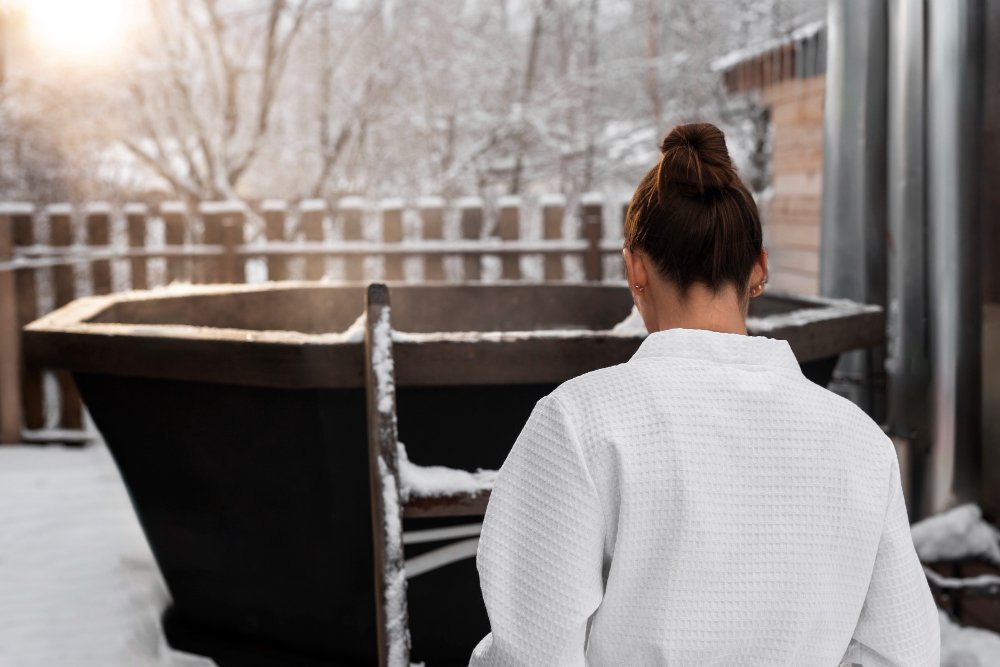
For athletes, weekend warriors, and anyone pushing their physical limits, muscle soreness is a familiar companion. In the relentless pursuit of faster recovery, two cold therapies have surged in popularity: the immersive shock of the ice bath and the accessible chill of the cold shower. Both promise reduced inflammation, pain relief, and a quicker return to training. But which method truly delivers optimal results for muscle recovery? This deep dive separates the hype from the science, offering a clear, evidence-based guide to navigating the world of cold therapy.
Understanding the Science of Cold Therapy
Before plunging into the comparison, it’s crucial to understand what cold exposure is supposed to do for aching muscles. The primary mechanism is vasoconstriction—the narrowing of blood vessels. Following intense exercise, microscopic damage to muscle fibers triggers an inflammatory response, leading to swelling and pain, known formally as Delayed Onset Muscle Soreness (DOMS).
Applying cold causes blood vessels to constrict, reducing blood flow to the area and theoretically limiting this inflammation and swelling. Once the cold source is removed, a process called vasodilation occurs, where blood vessels reopen, potentially flushing out metabolic waste products. This cycle is sometimes referred to as the “pumping effect.” Research, such as a meta-analysis published in the Journal of Strength and Conditioning Research, has shown that cold water immersion can be effective in reducing DOMS and perceived recovery, though its effects on long-term athletic adaptation are debated.
The Ice Bath: Deep Dive into the Arctic Plunge
An ice bath, or cold water immersion (CWI), typically involves submerging the body up to the waist or shoulders in water cooled to between 50°F (10°C) and 59°F (15°C) for 10 to 15 minutes. It’s a staple in professional sports locker rooms and high-performance training centers worldwide.
The Case for Ice Baths:
- Full-Body, Consistent Exposure: The primary advantage is uniform and complete immersion. This ensures that major muscle groups in the legs, glutes, and core receive simultaneous and consistent cooling, which is difficult to achieve with a shower. The Cleveland Clinic notes that this comprehensive exposure can effectively reduce core body temperature, which is linked to its systemic effects.
- Targeted Depth for Lower Body: For runners, cyclists, and weightlifters, submerging up to the waist directly targets the heavily worked leg muscles, providing concentrated relief where it’s often needed most.
- Proven Protocol: There is a larger body of academic research specifically focused on CWI protocols. Studies often use immersion tanks, making the ice bath the “gold standard” in clinical research on post-exercise recovery.
The Drawbacks of Ice Baths:
- Logistical Hurdle: It requires significant preparation—filling a tub, procuring and storing large amounts of ice, and dedicating time for setup and cleanup.
- Space and Cost: Not everyone has a tub large enough, leading some to purchase specialized plunge pools or tanks, which represent a considerable investment.
- Intensity and Discomfort: The psychological barrier to entry is high. The initial shock is profound, and staying immersed for the recommended time requires mental fortitude.
The Cold Shower: The Accessible Chill
A cold shower involves standing under a flow of cold water, typically with temperatures ranging from 50°F to 68°F (10°C to 20°C), for 3 to 10 minutes. It’s a tool almost universally available, requiring no special equipment.
The Case for Cold Showers:
- Unbeatable Accessibility and Convenience: The biggest selling point is simplicity. It requires no preparation, ice, or special equipment—just the turn of a dial. This ease makes consistency, a key factor in any wellness practice, far more achievable.
- Adaptable and Controlled: Users have precise control over the temperature and can start moderately cool and gradually decrease it, making it more manageable for beginners. You can also focus the stream on specific sore areas like shoulders or back.
- Systemic Benefits Beyond Muscles: While research specifically on cold showers for post-exercise muscle recovery is more limited, studies on cold exposure highlight broader benefits. These include potential boosts in alertness, circulation, and mood, as explored by resources like Harvard Medical School, which discusses the nervous system effects of cold.
- Lower Barrier to Entry: The ability to step out at any moment reduces psychological resistance, allowing individuals to build tolerance over time.
The Drawbacks of Cold Showers:
- Inconsistent and Less Penetrating Coverage: The water stream often fails to provide simultaneous, even cooling to all major muscle groups. Areas not directly under the flow remain warm, potentially reducing the overall systemic effect sought for recovery.
- Difficulty Achieving Sufficient Cooling: It can be challenging to lower tissue temperature deep in the muscles with a shower alone, especially compared to full immersion. The American Council on Exercise points out that the efficacy of any cold therapy depends on the depth and duration of tissue cooling.
- Less Research-Backed for Recovery: Most scientific literature on exercise recovery uses immersion protocols. While physiologically similar, cold showers lack the same depth of direct clinical validation for this specific purpose.
Head-to-Head: The Key Comparison
| Feature | Ice Bath (Cold Water Immersion) | Cold Shower |
|---|---|---|
| Primary Mechanism | Full-body vasoconstriction via uniform immersion. | Targeted, but less consistent, surface cooling via water stream. |
| Effectiveness for DOMS | High. Strong evidence for reducing soreness and perceived recovery. | Moderate. Likely beneficial, but less direct research and potentially less penetrative. |
| Practical Convenience | Low. Requires setup, ice, space, and cleanup. | Very High. Instant, accessible, and easy to integrate daily. |
| Cost & Accessibility | Can be high (ice, tub, plunge pool). | Very low (requires only a standard shower). |
| Psychological Barrier | High. Significant initial shock and commitment. | Moderate to Low. Controllable and easy to abort. |
| Best For | Post-competition or intense training; targeted lower-body recovery; those following evidence-based protocols. | Daily routine maintenance; general invigoration; accessibility-focused users; easing into cold therapy. |
| Potential Drawbacks | Can blunt long-term muscle adaptation if overused; inconvenient. | May not cool deep tissue effectively; coverage can be spotty. |
Expert Insights and Practical Application
Leading sports scientists emphasize context. Dr. John Rusin, a strength training specialist, often discusses how timing matters: using cold therapy immediately after a workout geared purely for hypertrophy (muscle growth) might interfere with the natural inflammatory process that signals repair. However, for athletes focused on performance who need to train again soon, like in tournament settings, it can be invaluable for pain relief and readiness.
A practical, balanced approach might look like this:
- For Competition or Two-a-Day Training: An ice bath (10-15 minutes at 50-59°F) shortly after the first session may optimize acute recovery for the next bout.
- For General Fitness and Daily Recovery: A 3-5 minute cold shower at the end of a regular shower can provide noticeable relief from general soreness and boost circulation without major logistical efforts.
- For Injury Management (Acute): Immediate application of cold (via immersion or a compress) to a new, swollen injury is a well-established first-aid principle, often summarized by the R.I.C.E. (Rest, Ice, Compression, Elevation) method, as noted by reputable sources like WebMD.
Safety is paramount. Both methods carry risks for individuals with cardiovascular conditions, Raynaud’s disease, or uncontrolled hypertension. The Mayo Clinic advises consulting a physician before beginning any extreme temperature therapy. Always limit sessions to recommended durations, never exceed 15 minutes, and avoid entering an ice bath alone if there’s a risk of lightheadedness.
Frequently Asked Questions (FAQ)
Q: How long after a workout should I take a cold shower or ice bath?
A: For the goal of reducing DOMS, most protocols suggest within 20-60 minutes post-exercise. If your primary goal is muscle growth, some experts recommend waiting a few hours to avoid interfering with the inflammatory repair process.
Q: Can cold therapy prevent muscle growth?
A: This is a nuanced area. Some research, including a study highlighted by the National Institutes of Health, suggests that regularly using ice baths immediately after resistance training may blunt certain cellular signals for muscle protein synthesis. For strength athletes, it may be wise to use it strategically rather than after every single session.
Q: Is it better to start warm and go cold, or go straight into the cold?
A: For recovery purposes, going straight to cold is more efficient for lowering tissue temperature. However, for adherence and comfort, many find that ending a warm shower with a cold blast makes the practice more sustainable long-term.
Q: What is the ideal temperature?
A: For ice baths, 50-59°F (10-15°C) is the standard research-backed range. For cold showers, “as cold as it gets” is typical, usually between 50-68°F (10-20°C). A thermometer can help remove guesswork.
Q: Are there any health risks?
A: Yes. The cold shock response increases heart rate and blood pressure. Individuals with heart conditions, pregnant women, or those with sensory disorders should seek medical advice first. Never use alcohol or sedatives before cold exposure.
Q: Which is better for mental toughness?
A: Both build resilience, but the sustained commitment of an ice bath is often viewed as a greater mental challenge. The daily practice of a cold shower, however, can be a powerful tool for building discipline and stress tolerance.
Conclusion: Finding Your Optimal Cold Recovery Strategy
The debate between cold showers and ice baths isn’t about declaring one a universal winner. It’s about matching the tool to the task and the individual. The ice bath stands as the clinically validated, potent option for maximal acute recovery, particularly for competitive athletes or after exceptionally grueling sessions. Its power is in its intensity and uniformity.
The cold shower, conversely, is the champion of sustainability and holistic benefits. It offers a feasible entry point into cold therapy, providing tangible recovery aids for the general active person while bestowing wider benefits for energy and circulation. Its power is in its accessibility.
For those looking to integrate cold therapy into a recovery regimen, consider starting with the foundation: a daily cold shower of 3-5 minutes. Observe its effects on your muscle soreness, sleep, and morning alertness. If you train at a high level and encounter specific, intense bouts of DOMS or have back-to-back events, strategically incorporate an ice bath and note the comparative difference.
Ultimately, the best recovery protocol is the one you will consistently perform. Listen to your body, consult credible sources like Sports Medicine Australia for guidelines, and perhaps even cycle between both methods based on your training load. Whether you choose the polar plunge or the chilled cascade, understanding the science behind the shiver empowers you to recover smarter, train harder, and unlock the true restorative potential of the cold.