

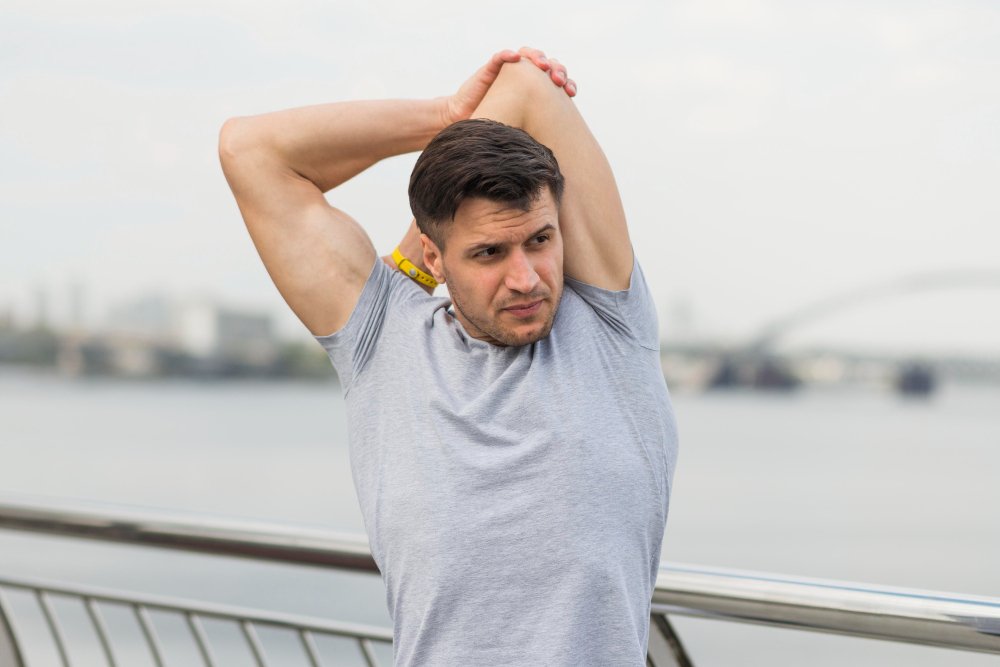
Walking up the stairs the day after leg day can feel like climbing Mount Everest. That deep, burning ache in the muscles—scientifically known as delayed onset muscle soreness, or DOMS—is a familiar companion to anyone who exercises regularly. While muscle soreness indicates that the body is adapting to physical stress, it doesn’t mean anyone needs to suffer through days of discomfort. Understanding how to minimize this soreness naturally can make the difference between maintaining a consistent workout routine and dreading the next gym session.
Muscle soreness typically peaks between 24 to 72 hours after exercise, especially following intense training or movements the body isn’t accustomed to performing. According to research published by the National Institutes of Health, this soreness results from microscopic tears in muscle fibers and the subsequent inflammatory response. While completely avoiding soreness isn’t always possible—or even desirable, as it signals muscle growth—there are evidence-based strategies to significantly reduce its intensity and duration.
Understanding What Actually Causes Post-Workout Muscle Soreness
Before diving into solutions, understanding the underlying mechanisms proves essential. When muscles perform eccentric contractions—the lengthening phase of movement, like lowering a weight or running downhill—they experience the most significant microscopic damage. This damage triggers an inflammatory cascade as the body rushes resources to the affected areas for repair and strengthening.
The American College of Sports Medicine explains that this process involves immune cells migrating to damaged muscle tissue, releasing chemical mediators that cause swelling and pain sensitivity. The body essentially creates a temporary “repair zone” around the affected muscle fibers. This is why soreness doesn’t appear immediately during the workout but develops over the following hours and days.
Interestingly, muscles become more resistant to this damage over time through a phenomenon called the “repeated bout effect.” Research from the Journal of Applied Physiology demonstrates that performing the same exercise routine causes progressively less soreness with each session, as muscles adapt their structure and protective mechanisms.
The Immediate Post-Workout Window: Critical Actions Within the First Hour
The first hour after finishing a workout represents the most crucial period for minimizing muscle soreness. During this window, the body is primed to initiate recovery processes, and specific interventions can significantly influence the severity of subsequent soreness.
Active cooldown periods have demonstrated remarkable effectiveness in reducing DOMS. Rather than immediately stopping all movement after intense exercise, continuing with low-intensity activity for 10-15 minutes helps flush metabolic waste products from muscle tissue. Light jogging after a run, easy cycling after leg training, or gentle swimming after any workout allows increased blood flow to continue without additional muscle damage. Studies from Sports Medicine journals indicate that active recovery can reduce perceived soreness by up to 30 percent compared to passive rest.
Hydration during this immediate window also plays a crucial role that often gets overlooked. Muscle cells require adequate fluid to efficiently process nutrients and remove waste products. Dehydration impairs this process and can intensify inflammatory responses. Beyond plain water, drinks containing electrolytes help replace sodium, potassium, and magnesium lost through sweat—minerals that support proper muscle function and recovery.
Consuming protein and carbohydrates within this post-workout window supports muscle repair and glycogen restoration. The body’s ability to utilize these nutrients peaks during the first 30-60 minutes after exercise. While this doesn’t directly prevent muscle damage, it provides the raw materials muscles need for efficient repair, potentially shortening the overall recovery timeline.
The Power of Movement: Why Rest Isn’t Always Best
Conventional wisdom once suggested complete rest following intense exercise, but modern sports science reveals a different picture. Light movement and gentle exercise actually accelerate recovery more effectively than total inactivity.
The concept of active recovery involves performing low-intensity exercise on days following hard training sessions. This might include walking, yoga, swimming, or cycling at an easy pace. The Cleveland Clinic notes that this approach increases blood circulation to sore muscles without causing additional damage, delivering oxygen and nutrients while removing inflammatory byproducts more efficiently than rest alone.
Dynamic stretching and mobility work throughout the recovery period also helps maintain range of motion and reduce the stiffness often accompanying DOMS. Unlike static stretching—holding a single position for extended periods—dynamic movements involve controlled motions through a full range of motion. Examples include leg swings, arm circles, walking lunges, and torso rotations. These movements promote fluid exchange in muscle tissues and keep joints mobile without overstressing recovering fibers.
Many athletes report that the second workout on sore muscles actually feels better midway through the session as blood flow increases and tissues warm up. This phenomenon, while counterintuitive, supports the principle that appropriate movement facilitates recovery rather than hindering it.
Heat and Cold Therapy: Strategic Temperature Manipulation
Temperature-based therapies represent some of the most accessible and effective natural approaches to managing muscle soreness. Both heat and cold applications offer distinct benefits, and understanding when to use each maximizes their effectiveness.
Cold therapy, or cryotherapy, works by constricting blood vessels and reducing metabolic activity in tissues, which decreases swelling and inflammatory responses. Ice baths have become popular among athletes, though they’re not always necessary for recreational exercisers. Simple ice pack applications for 15-20 minutes to particularly sore areas can provide similar benefits. Research from the Cochrane Database of Systematic Reviews suggests that cold water immersion may reduce muscle soreness by approximately 20 percent when applied within the first few hours after exercise.
Heat therapy operates through opposite mechanisms but proves equally valuable, particularly 24-48 hours after exercise when acute inflammation has subsided. Applying heat increases blood flow, relaxes tight muscles, and improves tissue flexibility. Hot baths, heating pads, or warm towels can all deliver therapeutic benefits. The increased circulation from heat therapy brings fresh oxygen and nutrients to recovering muscles while carrying away metabolic waste products.
Contrast therapy—alternating between hot and cold—combines benefits of both approaches. This technique involves switching between cold and hot water or applications, typically in three-minute intervals. The repeated constriction and dilation of blood vessels creates a “pumping” effect that enhances circulation and waste removal. Many physical therapists and sports medicine professionals recommend this approach for its comprehensive benefits.
Nutrition Strategies: Fueling Recovery From Within
What goes into the body significantly influences how quickly muscles recover. Certain nutrients possess anti-inflammatory properties or support specific aspects of muscle repair, making dietary choices a powerful tool in managing soreness.
Omega-3 fatty acids, found abundantly in fatty fish, walnuts, and flaxseeds, have demonstrated impressive anti-inflammatory effects. According to research published in the Journal of the International Society of Sports Nutrition, omega-3 supplementation can reduce DOMS and improve range of motion following exercise. These healthy fats modulate inflammatory pathways without completely blocking the beneficial adaptations that exercise-induced inflammation produces.
Tart cherry juice has emerged as a particularly effective natural remedy for muscle soreness. Studies show that the anthocyanins—powerful antioxidants—in tart cherries reduce inflammation and oxidative stress in muscle tissue. Athletes consuming tart cherry juice before and after intense exercise report significantly less soreness and faster strength recovery compared to those drinking placebo beverages.
Protein intake throughout the day supports continuous muscle repair. While the post-workout protein shake gets considerable attention, distributing protein consumption across multiple meals proves more effective for recovery. Aim for 20-30 grams of high-quality protein every three to four hours to provide a steady supply of amino acids for muscle repair.
Antioxidant-rich foods, including berries, dark leafy greens, and colorful vegetables, help combat exercise-induced oxidative stress. While some oxidative stress actually signals beneficial adaptations, excessive levels can prolong recovery. A diet rich in diverse, colorful plant foods provides a spectrum of protective compounds without interfering with training adaptations.
Adequate magnesium intake deserves special mention, as this mineral plays crucial roles in muscle function and relaxation. Many people consume insufficient magnesium, which can exacerbate muscle tension and cramping. Foods like pumpkin seeds, spinach, black beans, and dark chocolate provide excellent sources of this essential mineral.
Sleep and Recovery: The Underestimated Foundation
No recovery strategy can compensate for inadequate sleep. During deep sleep stages, the body releases growth hormone and accelerates muscle repair processes. Sleep deprivation, conversely, increases inflammatory markers and impairs the body’s ability to recover from exercise stress.
The National Sleep Foundation recommends 7-9 hours of quality sleep for adults, with athletes potentially benefiting from even more during periods of intense training. Sleep quality matters as much as quantity—creating a dark, cool, quiet sleeping environment and maintaining consistent sleep schedules supports the deep, restorative sleep stages crucial for muscle recovery.
Interestingly, research shows that poor sleep not only slows recovery but also increases pain perception, making any existing muscle soreness feel more intense. This creates a problematic cycle where soreness disrupts sleep, which then worsens soreness perception. Breaking this cycle through good sleep hygiene becomes essential for anyone dealing with persistent DOMS.
Massage and Self-Myofascial Release Techniques
Physical manipulation of sore muscles through massage offers both immediate relief and longer-term recovery benefits. Professional massage therapy can reduce muscle tension, improve circulation, and break up adhesions in muscle tissue. The Mayo Clinic reports that massage may reduce muscle soreness by approximately 30 percent and decrease inflammatory markers in muscle tissue.
For those without regular access to professional massage therapists, self-myofascial release tools provide accessible alternatives. Foam rollers, massage balls, and percussion massage devices allow individuals to target sore areas independently. Rolling over tight, sore muscles creates localized pressure that may help break up fascial adhesions and improve tissue quality.
Technique matters significantly with foam rolling. Rather than quickly rolling back and forth over muscles, a more effective approach involves slowly moving across tissue, pausing on particularly tender spots for 20-30 seconds. This sustained pressure allows muscles to gradually release tension. Areas commonly benefiting from foam rolling include the quadriceps, hamstrings, calves, glutes, and upper back.
Percussion massage devices have gained popularity for their ability to deliver rapid, concentrated pressure to muscle tissue. These tools work at various speeds and intensities, allowing customization based on soreness levels and personal preference. While research on their specific effectiveness continues to develop, many users report subjective improvements in muscle soreness and flexibility.
Proper Warm-Up: Prevention as the Best Medicine
While this discussion focuses primarily on reducing existing soreness, preventing excessive muscle damage in the first place represents the most effective strategy. Proper warm-up procedures prepare muscles for intense work and reduce the likelihood of severe DOMS.
An effective warm-up gradually increases heart rate and body temperature, enhancing blood flow to muscles and improving their elasticity. This typically involves 5-10 minutes of light cardiovascular activity followed by dynamic movements specific to the upcoming workout. For instance, before a leg workout, performing bodyweight squats, leg swings, and walking lunges prepares the specific muscles and movement patterns about to be challenged.
Progressive overload—gradually increasing training intensity rather than making dramatic jumps—also minimizes excessive muscle damage. When introducing new exercises or returning to training after time off, starting with lighter loads and higher repetitions allows muscles to adapt without overwhelming them. This measured approach reduces subsequent soreness while still providing adequate stimulus for strength and fitness improvements.
Natural Supplements and Herbs That Support Recovery
Several natural compounds have demonstrated potential for reducing muscle soreness, though individual responses vary and quality research continues to evolve in this area.
Curcumin, the active compound in turmeric, possesses powerful anti-inflammatory properties. Studies suggest that curcumin supplementation can reduce exercise-induced muscle damage and accelerate recovery. However, curcumin has relatively poor bioavailability, meaning the body doesn’t absorb it efficiently. Combining it with black pepper extract (piperine) significantly enhances absorption.
Ginger, a close relative of turmeric, also shows promise for reducing muscle soreness. Research indicates that daily ginger supplementation may reduce exercise-induced muscle pain by 25 percent. Ginger can be consumed fresh, as a tea, or in supplement form.
Branched-chain amino acids (BCAAs)—leucine, isoleucine, and valine—have been marketed extensively for muscle recovery. While the evidence remains mixed, some studies suggest BCAA supplementation before and after exercise may reduce DOMS. However, individuals consuming adequate protein from whole foods likely receive sufficient BCAAs without supplementation.
Vitamin D plays essential roles in muscle function, and deficiency has been linked to increased muscle soreness and impaired recovery. For people with limited sun exposure or living in northern climates, vitamin D supplementation may support better recovery outcomes.
Hydration and Electrolyte Balance
Dehydration amplifies muscle soreness and impairs recovery processes. Water comprises approximately 75 percent of muscle tissue, and even mild dehydration reduces the efficiency of nutrient delivery and waste removal.
Beyond simple fluid volume, electrolyte balance significantly impacts muscle function and recovery. Sodium, potassium, magnesium, and calcium all contribute to proper muscle contraction and relaxation. Intense or prolonged exercise depletes these minerals through sweat, and failing to replace them can lead to cramping, prolonged soreness, and impaired recovery.
Plain water suffices for most moderate-intensity workouts lasting under an hour. However, longer or more intense sessions benefit from electrolyte replacement through sports drinks, coconut water, or electrolyte tablets. Whole foods like bananas, sweet potatoes, leafy greens, and nuts also provide excellent electrolyte sources as part of post-workout meals.
Breathing and Stress Management Techniques
The connection between psychological stress and physical recovery often gets overlooked, yet chronic stress significantly impairs the body’s ability to repair muscle tissue. Elevated cortisol levels from stress can increase inflammation and slow recovery processes.
Deep breathing exercises, meditation, and other relaxation techniques help activate the parasympathetic nervous system—the body’s “rest and digest” mode that facilitates recovery. Even five to ten minutes of focused breathing after workouts can help shift the body toward a recovery state.
Progressive muscle relaxation, where tension is systematically applied and released from different muscle groups, serves a dual purpose: it promotes mental relaxation while also increasing awareness of muscle tension patterns. This heightened awareness can help individuals recognize when they’re holding unnecessary tension in muscles, which can exacerbate soreness.
Comparison: Recovery Methods and Their Effectiveness
| Recovery Method | Effectiveness Level | Time to Apply | Cost | Best Used When |
|---|---|---|---|---|
| Active Recovery | High | 15-30 minutes | Free | Day after intense training |
| Cold Therapy | Moderate-High | 15-20 minutes | Low | Immediately to 6 hours post-workout |
| Heat Therapy | Moderate | 15-30 minutes | Low | 24-48 hours post-workout |
| Foam Rolling | Moderate | 10-15 minutes | Low (one-time equipment cost) | Before bed or pre-workout |
| Tart Cherry Juice | Moderate | Ongoing supplementation | Moderate | Daily consumption |
| Omega-3 Supplementation | Moderate | Ongoing supplementation | Moderate | Daily consumption |
| Professional Massage | High | 60 minutes | High | Weekly or bi-weekly |
| Adequate Sleep | Very High | 7-9 hours | Free | Every night |
| Proper Hydration | High | Ongoing throughout day | Free | Before, during, after exercise |
| Contrast Therapy | Moderate-High | 20-30 minutes | Low-Moderate | Within 2 hours post-workout |
Frequently Asked Questions About Muscle Soreness Recovery
How long does muscle soreness typically last?
Delayed onset muscle soreness typically peaks 24-72 hours after exercise and gradually subsides over the following days. Most people experience complete resolution within 5-7 days. Soreness lasting longer than a week or progressively worsening may indicate injury rather than normal DOMS and warrants medical evaluation.
Should I work out if my muscles are still sore?
Light to moderate exercise on sore muscles is generally safe and may actually aid recovery through increased blood flow. However, intense training of severely sore muscles increases injury risk and impairs performance. A practical approach involves training different muscle groups while sore areas recover, or engaging in active recovery activities like walking or swimming.
Does muscle soreness mean I had a good workout?
Not necessarily. Muscle soreness indicates the muscles experienced unfamiliar stress, but it’s not a reliable measure of workout quality or effectiveness. Well-trained individuals often experience minimal soreness from workouts that still provide significant training stimulus. Progressive strength gains and performance improvements represent better indicators of workout effectiveness than soreness levels.
Can stretching prevent or reduce muscle soreness?
Static stretching before exercise doesn’t prevent DOMS and may actually impair performance temporarily. However, gentle stretching 24-48 hours after exercise may improve range of motion and provide subjective relief. Dynamic stretching before workouts helps prepare muscles for activity without reducing force production.
Are there any warning signs that muscle soreness might actually be an injury?
Sharp, localized pain rather than general muscle ache, pain that worsens rather than improves over several days, significant swelling, muscle weakness that persists beyond the acute soreness phase, or pain that prevents normal daily activities all suggest potential injury. These symptoms warrant medical evaluation to rule out strains, tears, or other injuries.
Does age affect muscle soreness and recovery?
Research indicates that older adults may experience similar DOMS intensity but potentially longer recovery periods compared to younger individuals. This relates to age-related changes in muscle regeneration capacity and inflammatory responses. However, regular training helps maintain efficient recovery capabilities regardless of age.
Can I speed up muscle recovery with supplements?
Certain supplements like omega-3 fatty acids, vitamin D, and magnesium may support recovery when dietary intake is insufficient. However, supplements cannot compensate for inadequate sleep, poor nutrition, or overtraining. Whole-food approaches to nutrition typically provide superior benefits compared to isolated supplements.
Is it better to use ice or heat for sore muscles?
Ice works best immediately after intense exercise to reduce acute inflammation, while heat proves more beneficial 24-48 hours later to increase blood flow and relax tight muscles. Contrast therapy, alternating between both, may provide comprehensive benefits by stimulating circulation while managing inflammation.
How much water should I drink to support muscle recovery?
Individual needs vary based on body size, exercise intensity, climate, and sweat rate. A general guideline involves drinking half your body weight in ounces daily, with additional 16-20 ounces for each pound lost during exercise. Urine color provides a practical hydration indicator—pale yellow suggests adequate hydration while dark yellow indicates insufficient fluid intake.
Can foam rolling before a workout prevent soreness?
Pre-workout foam rolling may improve range of motion and muscle activation but doesn’t prevent DOMS. However, regular foam rolling as part of a comprehensive recovery routine may improve overall tissue quality and reduce soreness frequency over time.
The Reality of Individual Variation in Recovery
No single recovery approach works identically for everyone. Genetics, training history, age, nutrition status, sleep quality, and stress levels all influence how quickly muscles recover from exercise. Some people naturally experience minimal soreness regardless of workout intensity, while others feel significant discomfort even from moderate training.
This variation means effective recovery requires experimentation and personalization. What works exceptionally well for one person might provide minimal benefit for another. The key involves systematically trying different approaches, paying attention to what the body responds to positively, and building a customized recovery toolkit based on those observations.
Tracking soreness patterns, recovery strategies used, and subjective results in a simple log can reveal patterns over time. This data-driven approach helps identify which methods provide the greatest benefit for an individual’s unique physiology and circumstances.
Long-Term Strategies: Building Resilient Muscles
While addressing acute muscle soreness matters, developing muscles that resist excessive damage in the first place provides lasting benefits. Consistency in training allows muscles to adapt their structure and become more resistant to damage from repeated exercise bouts.
Periodization—systematically varying training intensity and volume over time—prevents excessive accumulation of muscle damage while allowing adequate recovery between hard training blocks. This approach involves alternating between phases of higher and lower intensity, giving the body time to fully recover and adapt.
Maintaining balanced training that addresses all major muscle groups prevents imbalances that can lead to excessive soreness in overworked areas. If certain muscles constantly feel sore while others never do, this asymmetry suggests potential training imbalances that warrant correction.
Progressive adaptation means gradually increasing training demands rather than making drastic jumps. Adding just 5-10 percent more weight, volume, or intensity each week allows muscles to adapt without overwhelming their recovery capacity. This patient approach ultimately leads to greater long-term progress with less debilitating soreness.
Bringing It All Together: A Comprehensive Recovery Approach
Reducing muscle soreness naturally doesn’t require expensive treatments or complicated protocols. The most effective strategies combine multiple evidence-based approaches into a comprehensive recovery routine tailored to individual needs and circumstances.
The foundation begins with proper workout structure—adequate warm-up, progressive training loads, and active cooldown. Immediately following exercise, prioritizing hydration with electrolyte replacement and consuming protein and carbohydrates supports the body’s repair processes during the critical post-workout window.
In the hours and days following intense training, strategic application of temperature therapies, gentle movement, and self-myofascial release address muscle tightness and promote circulation. Nutritional support through anti-inflammatory foods, adequate protein distribution throughout the day, and strategic supplementation when needed provides the raw materials for efficient repair.
Perhaps most importantly, prioritizing quality sleep and managing life stress creates the physiological environment in which all other recovery strategies can work optimally. The body performs the majority of its repair work during sleep, making this non-negotiable for anyone serious about minimizing muscle soreness and maximizing training progress.
Recovery is not passive rest but active optimization of the body’s natural healing processes. Each choice—from the foods consumed to the movements performed to the hours spent sleeping—either supports or hinders the muscle repair process. By understanding these mechanisms and implementing evidence-based strategies consistently, anyone can significantly reduce the intensity and duration of post-workout muscle soreness.
The most powerful realization might be that severe, debilitating soreness is not an inevitable consequence of effective training. With proper preparation, strategic recovery interventions, and adequate rest, it’s entirely possible to train intensely, make consistent progress, and wake up the next day functional and ready for life’s demands. The key lies not in finding a single magic solution but in building a comprehensive approach that addresses recovery from multiple angles, creating an environment where the body can do what it naturally does best: adapt, repair, and grow stronger.