

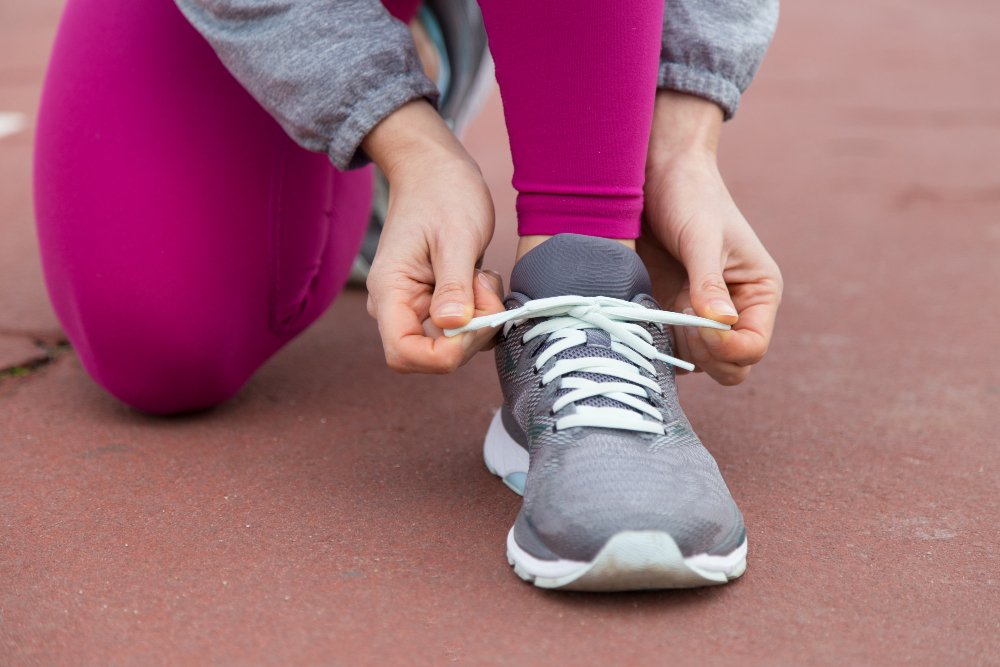
For runners with flat feet, the search for the perfect shoe often feels like a quest for a mythical artifact. The running world has long preached the gospel of stability and motion control for overpronators, leading to shoes that are often heavy, rigid, and disconnected from the ground. Enter the minimalist running shoe—a category that champions thin soles, zero drop, and natural foot movement. At first glance, this seems like the worst possible advice for a flat-footed runner. But a deeper look reveals a compelling, if nuanced, alternative path. This guide cuts through the noise, offering a detailed, research-backed review of minimalist shoes for flat feet, separating hopeful myth from biomechanical reality.
Understanding the Flat Foot Biomechanics in a Minimalist Context
A flat foot, or pes planus, is characterized by a collapsed or low medial longitudinal arch. This often leads to overpronation—an inward rolling of the ankle and foot upon landing. Traditional running shoe philosophy aims to correct this with arch supports, medial posts, and firm heel counters. The minimalist philosophy, rooted in the principles of natural running, takes a different tack. It argues that by allowing the foot to feel the ground and move more freely, the body’s intrinsic muscles—the foot’s natural support system—will strengthen over time.
Research, such as that cited by the American Council on Exercise, indicates that foot musculature can indeed be strengthened through specific loading. The theory is that a stronger foot may develop a more supportive arch structure and improve proprioception (awareness of the foot in space). However, experts like Dr. Irene Davis from the Harvard Medical School-affiliated Spaulding National Running Center caution that this transition must be exceptionally gradual, especially for those with a history of structural flat feet. The key takeaway is that minimalist shoes are not a “cure” for flat feet but potentially a tool for building resilience, provided the runner’s individual physiology and mechanics are considered.
Critical Features to Scrutinize: The Flat-Foot Minimalist Checklist
Not all minimalist shoes are created equal, especially for flat feet. Here are the non-negotiable features to evaluate:
- Zero Drop: This refers to the lack of height difference between the heel and forefoot. It promotes a more natural, midfoot or forefoot strike, which can reduce the jarring impact force that travels up the leg. For flat feet, it encourages a more aligned posture from foot to knee.
- Flexibility: The shoe should bend and twist easily with your foot. This allows the arch to engage and the muscles to work through their full range of motion, which is the core premise of building strength.
- Ground Feel & Stack Height: This is the thickness of the sole. A lower stack height (typically under 20mm) provides more sensory feedback. For flat feet starting out, a moderately low stack (12-18mm) offers a balance of protection and feedback, unlike the extreme thinness of something like a true barefoot simulator.
- Width & Toe Box: A foot-shaped toe box that allows the toes to splay naturally is crucial. Constricted toes can weaken the foot and exacerbate alignment issues. This space is vital for creating a stable, Tripod Foot foundation upon landing.
- No Traditional “Support”: This is the biggest mental shift. You will not find arch cookies or rigid posts. The support is meant to come from your own strengthened anatomy. Shoes like those from Xero Shoes or Vibram exemplify this principle.
Top Contenders: A Review of Minimalist Shoes for Flat Feet
Based on design features, user reports from platforms like Running Shoe Guru, and biomechanical principles, here are several models that flat-footed runners often explore.
1. For the Cautious Transition: Altra Escalante
While Altras are not purely minimalist due to their often higher cushioning, their foundational principles align well. The Altra Escalante features a FootShape™ toe box and a zero-drop platform but includes a balanced amount of soft, flexible cushioning. This makes it an exceptional “gateway” shoe for flat-footed runners who want the toe splay and alignment benefits of zero drop without the immediate intensity of minimal ground feel. It allows the foot to adapt while providing forgiveness for longer miles.
2. The Balanced Performer: Merrell Vapor Glove
The Merrell Vapor Glove has been a staple in the minimalist world for years. It offers a true “glove-like” fit with a 6mm stack height and a Vibram outsole. Its thin, flexible design provides significant ground feel, encouraging excellent foot proprioception. For flat feet, the relatively simple, unstructured upper accommodates various foot volumes well. It’s best for short runs, walking, and strength-building work, allowing the foot to move naturally without being completely barefoot.
3. The Durable Road Specialist: Vivobarefoot Primus Lite III
Vivobarefoot is a leader in the barefoot shoe space. The Primus Lite III is a versatile, durable option with a wide toe box and an ultra-thin (4.5mm), puncture-resistant sole. Its design philosophy is firmly rooted in promoting natural foot function. For the flat-footed runner with some adaptation under their belt, it offers a secure, “second-skin” fit that can help refine form. It’s important to note that its minimalism is aggressive; mileage should be built incrementally.
4. The Trail Explorer: Xero Shoes Mesa Trail II
For the flat-footed runner wanting to hit the trails, the Mesa Trail II is a compelling option. It maintains a zero-drop, flexible profile with a 5.5mm stack height but adds a grippy trail outsole and a protective toe bumper. The wide toe box is a standout feature. Trail running naturally demands more from the foot’s stabilizing muscles, and a shoe like this can facilitate that strengthening process in a more challenging environment, though it requires a strong foundation of foot fitness.
Minimalist Running Shoes for Flat Feet: A Feature Comparison Table
| Shoe Model | Best For | Drop | Stack Height | Key Feature for Flat Feet | Consideration |
|---|---|---|---|---|---|
| Altra Escalante | The Cautious Transition | 0mm | 24mm (approx.) | FootShape™ toe box & balanced cushioning | More cushion, less ground feel; a hybrid option. |
| Merrell Vapor Glove | Balanced Natural Movement | 0mm | 6mm (+ 2mm insole) | Glove-like fit & exceptional flexibility | Very low ground feel; start with very low mileage. |
| Vivobarefoot Primus Lite | Refined Road Running | 0mm | 4.5mm | Ultra-thin sole & wide, foot-shaped last | Demands significant foot strength; minimal protection. |
| Xero Shoes Mesa Trail II | Trail Exploration | 0mm | 5.5mm (+ 2mm insole) | Protective trail design & ultra-wide toe box | Aggressive tread; ensure ankle stability for trails. |
The Non-Negotiable Transition Protocol
Moving to minimalist shoes is a reprogramming process for your feet and lower legs. Doing too much, too soon is the fastest path to injuries like stress fractures, plantar fasciitis, or severe Achilles tendonitis.
- Start Barefoot (At Home): Before buying a shoe, begin by spending more time barefoot on safe, varied surfaces indoors. This wakes up the dormant muscles.
- The 10% Rule: When you start running in the new shoes, do not exceed 10% of your weekly mileage in them. Begin with a half-mile or even just walking.
- Listen to “Good Pain”: Muscle soreness in the arches, calves, and feet is expected. Sharp pain in the bones, joints, or tendons is a warning sign to stop and rest.
- Supplement with Strength: The transition must be paired with targeted exercises. Short foot exercises, toe yoga, calf raises, and balancing on one foot are essential. Resources from institutions like the Hospital for Special Surgery provide excellent guided routines.
- Patience is the Protocol: A full, comfortable transition can take 6 months to a year, or longer. It’s a marathon, not a sprint.
Who Should Proceed with Extreme Caution (Or Avoid)
Minimalist running is not for every flat-footed runner. Consultation with a sports medicine professional or a physical therapist specializing in running biomechanics is highly recommended, especially if you have:
- Rigid Flat Feet: Where the arch is collapsed and does not reform when non-weight bearing. This is often a structural issue less amenable to muscular change.
- A history of plantar fasciitis, Achilles tendinopathy, or metatarsal stress injuries.
- Significant ankle instability or a diagnosed condition like posterior tibial tendon dysfunction.
- No current running base. It’s advisable to build general fitness first before layering on the challenge of minimalist footwear.
Frequently Asked Questions (FAQ)
Q: Will minimalist shoes fix my flat feet?
A: No, they will not change the fundamental bone structure of your foot. However, they can strengthen the supporting muscles, tendons, and ligaments, which may lead to a more functionally stable and resilient foot, potentially creating a functional arch improvement. The goal is performance and injury resistance, not cosmetic change.
Q: Can I use my custom orthotics with minimalist shoes?
A: Generally, no. The design principles are in direct conflict. Orthotics provide external support and control, while minimalist shoes aim to develop internal support. Using them together negates the primary purpose of the shoe. Discuss any transition away from orthotics with your podiatrist or physical therapist.
Q: How do I know if I’m overpronating too much in them?
A: Video analysis is the best tool. Film yourself running from behind on a treadmill. Some inward roll is normal, but if the ankle collapses severely and consistently, it may indicate your feet are not yet strong enough for the load or that your mechanics need additional guidance. A gait analysis from a reputable running store or clinic can provide objective feedback.
Q: Are there any good minimalist walking shoes for flat feet?
A: Absolutely. Walking is a fantastic, low-risk way to begin the adaptation process. Models like the Lems Primal 2 or the Vivobarefoot Gobi offer comfort, zero drop, and wide toe boxes ideal for all-day wear, allowing foot strength to build during daily activities.
Q: What’s the single most important tip for starting?
A: Gradual adaptation is non-negotiable. Impatience is the root cause of nearly all transition-related injuries. Start with minutes, not miles.
Conclusion: A Journey of Strength, Not a Quick Fix
The path of a flat-footed runner exploring minimalist shoes is one of the most challenging and potentially rewarding journeys in running. It reframes the question from “What shoe will fix my problem?” to “How can I build a stronger, more adaptable foundation?” The evidence suggests that, approached with respect, diligence, and expert guidance, minimalist shoes can be a powerful tool for building the intrinsic foot strength that all runners—especially those with flat feet—can benefit from.
The shoes reviewed here, from the accessible Altra to the elemental Vivobarefoot, are not magic bullets. They are simply instruments. The real work happens in the careful, consistent, and patient strengthening of the body. Begin with honest self-assessment, consider professional advice, and if you choose to proceed, embrace the slow process. Listen to your body, celebrate small gains in foot dexterity and strength, and understand that the ultimate goal is not just to run in thinner shoes, but to run with a more resilient, powerful, and connected body for years to come. Your next step isn’t a purchase—it’s a decision to invest patiently in the complex, capable foundation you stand on.