

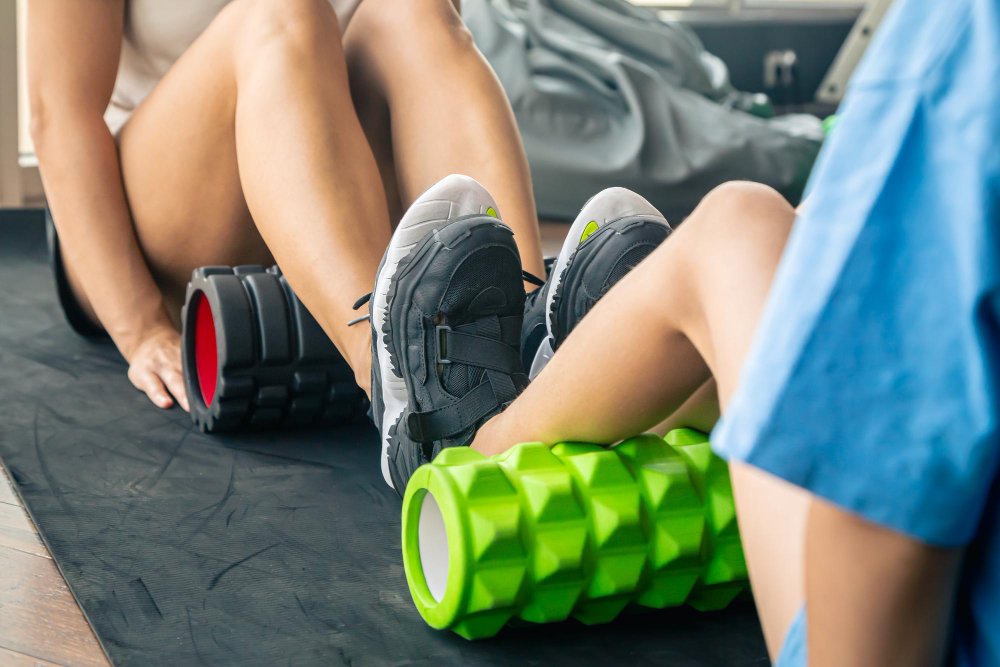
You’ve pushed through a tough workout, a long run, or maybe just a day dominated by poor posture at a desk. That deep, persistent ache in your muscles—the kind that feels like it’s woven into the fibers themselves—is a familiar signal. It’s your body asking for recovery. While massages and high-tech recovery tools are fantastic, their cost can be prohibitive. Enter the humble foam roller: a simple, profoundly effective tool for self-myofascial release, or what most people call deep tissue recovery. And the best part? You don’t need to spend a fortune to reap its benefits. This guide will navigate the world of affordable foam rollers, separating marketing hype from practical value, so you can make an informed choice that supports your body without straining your wallet.
Why Your Muscles Crave This Kind of Pressure
To understand why a foam roller works, it’s helpful to know what’s happening beneath your skin. Muscles are enveloped in a connective tissue called fascia. Stress, overuse, injury, and even inactivity can cause this fascia to become tight and restricted, forming what are often called “knots” or adhesions. These adhesions limit range of motion, cause pain, and can lead to compensatory movement patterns that cause further issues.
Self-myofascial release, performed with a foam roller, applies targeted pressure to these areas. This pressure helps to break up adhesions, increase blood flow to the tissue, and stimulate the parasympathetic nervous system (the “rest and digest” system). A study published in the International Journal of Sports Physical Therapy notes that foam rolling can lead to short-term improvements in joint range of motion without negatively impacting performance. It’s like giving your muscles a reset button, encouraging them to return to their optimal, supple state.
Decoding the Foam Roller Aisle: Materials, Textures, and What They Really Do
Walking into a sporting goods store or browsing online can be overwhelming. The options seem endless, but they generally break down into a few key categories based on material and texture. Understanding these is the first step to finding an affordable, effective tool.
1. Basic EVA Foam: These are the classic, light-density rollers often found in gyms. They’re typically the most affordable option, made from ethylene-vinyl acetate. They provide a gentle, broad compression, making them excellent for beginners, those who are very sensitive to pressure, or for larger muscle groups like the quadriceps and back. They are a perfect, low-cost entry point.
2. PVC/High-Density Foam: This is where “deep tissue” work often begins. These rollers are firmer and more rigid, usually constructed around a solid PVC core with a dense foam exterior. They deliver a more intense, targeted pressure, ideal for breaking into tighter areas like the IT band, calves, and glutes. For many athletes and individuals with chronic tightness, a high-density foam roller offers the best balance of affordability and effectiveness.
3. Textured Surfaces (Grid, Knob, Wave): These rollers take the high-density core and add a raised pattern to the surface. The knobs, ridges, and grids are designed to mimic the feeling of thumbs and fingers during a massage, providing a more penetrating, cross-friction effect. They can be particularly useful for digging into stubborn trigger points. While sometimes priced higher, affordable textured options are widely available and can be a worthwhile investment for targeted work.
4. Vibrating Foam Rollers: A more recent innovation, these battery-powered rollers combine mechanical pressure with vibrations. The vibration is thought to further enhance blood flow and potentially reduce the perception of pain, allowing for deeper pressure. While often at a higher price point, some affordable models have entered the market, offering another recovery modality.
Key Features to Consider (Beyond the Price Tag)
An affordable roller shouldn’t mean a cheap, ineffective one. When evaluating options, consider these practical features:
- Density/Firmness: This is subjective and depends on your pain tolerance and recovery needs. A runner with tight calves may need a firmer roller than someone using it for general postural maintenance.
- Size: Standard lengths are usually 12”, 18”, and 36”. A 12” or 18” roller is portable and great for targeting specific areas like arms and calves. A full 36” roller allows you to work your entire back and is more stable. A shorter, high-density roller is often the most cost-effective and space-efficient choice.
- Durability: Read reviews. An affordable roller that compresses or cracks within months is no bargain. Look for mentions of the roller maintaining its shape and integrity over time. High-density PVC core rollers are generally the most durable in the budget category.
- Portability: Some rollers come with travel bags or have hollow cores for easy transport. If you plan to take it to the office or on trips, this is a worthwhile feature to seek out.
A Practical Comparison: Affordable Foam Roller Options
To help visualize the landscape, here’s a breakdown of common affordable roller types and their best uses.
| Roller Type | Core Material | Surface Texture | Ideal For | Price Range | Considerations |
|---|---|---|---|---|---|
| Basic EVA Foam | Low-Density EVA Foam | Smooth | Beginners, gentle myofascial release, post-workout cool-down, large muscle groups. | $10 – $20 | May deform quickly; lacks intensity for deep tissue. |
| High-Density PVC | Solid PVC Core | Smooth or Slight Texture | Most users seeking deep tissue work, athletes, those with chronic tightness. | $20 – $40 | Excellent durability-to-price ratio; firm pressure. |
| Textured Grid | Solid PVC Core | Raised grid/knob pattern | Targeting stubborn knots and trigger points, experienced users. | $25 – $50 | More intense; can be uncomfortable on bony areas. |
| Compact/Mini | High-Density Foam or PVC | Varies (often textured) | Targeted work (calves, feet, arms), travel, physical therapy. | $15 – $30 | Highly portable; not for full-back rolling. |
How to Use Your Foam Roller Effectively: Technique Over Tools
The most expensive roller in the world is useless without proper technique. Here’s a fundamental guide to getting the most out of your affordable investment.
1. The Golden Rule: Roll slowly. This is not a race. Aim for a speed of about one inch per second. The goal is to give the fascia and muscle time to respond to the pressure.
2. Find the Tender Spot and Pause: When you roll over an area of significant tightness or pain (a “hot spot”), stop. Hold sustained pressure on that spot for 30-60 seconds, or until you feel the tension release by approximately 75%. Breathe deeply into the discomfort.
3. Direction of Roll: While you can roll both along and across the muscle fibers (longitudinally and transversely), research suggests that the direction may be less important than the sustained pressure. For major muscle groups like quads and hamstrings, longitudinal rolling is standard. For smaller areas like the calves, small cross-friction motions can be beneficial.
4. Avoid Bony Areas: Never roll directly over joints, bones, or the lower back (lumbar spine). For the back, focus on the thoracic area (upper/mid-back) and the glutes. The American Council on Exercise provides excellent visual guides for safe rolling techniques for all major muscle groups.
5. Consistency is Key: Incorporating 5-10 minutes of foam rolling into your daily routine, either post-workout or as part of a morning ritual, is far more effective than an hour-long session once a month.
Expert Insights: What the Research Says About Recovery
While anecdotal evidence for foam rolling is overwhelmingly positive, what does the scientific literature say? A systematic review in Frontiers in Physiology concluded that foam rolling, when used as a recovery tool, shows small to moderate benefits in reducing muscle pain and tenderness (DOMS – Delayed Onset Muscle Soreness) while improving range of motion. Importantly, these effects were achieved without the performance decreases sometimes associated with static stretching before activity.
This makes foam rolling a versatile tool: useful for warming up by increasing blood flow and mobility, and crucial for cooling down and aiding recovery. Experts like those at the Hospital for Special Surgery, a leader in sports medicine, often recommend foam rolling as a foundational element of a home recovery regimen for both athletes and the general population dealing with musculoskeletal pain.
Addressing Common Myths and Mistakes
- Myth: The more pain, the better. This is dangerous. You should feel a “good hurt”—a sensation of release. Sharp, shooting, or nerve-like pain is a sign to stop or adjust your position. The goal is modulation, not torture.
- Mistake: Rolling the lower back. As mentioned, this places pressure on the lumbar vertebrae without muscular protection. Instead, target the glutes, piriformis, and thoracic spine, which often contribute to lower back tension.
- Myth: You only need to roll after exercise. Using a roller on rest days or in the morning can help maintain tissue quality, improve posture, and alleviate stiffness from sedentary behavior.
- Mistake: Neglecting hydration. Fascia is hydrating-responsive. Drinking adequate water supports the health of your connective tissue and can make your rolling sessions more effective.
Frequently Asked Questions (FAQ)
Q: How often should I foam roll?
A: For general maintenance, aim for 5-10 minutes most days of the week. For targeted recovery after intense exercise, a 10-15 minute session focusing on the worked muscle groups is recommended.
Q: Can foam rolling help with sciatica pain?
A: While foam rolling is not a direct treatment for sciatica (nerve pain), it can be highly effective in addressing muscular contributors. Tightness in the glutes, especially the piriformis muscle, and hamstrings can irritate the sciatic nerve. Carefully rolling these areas, following the “no sharp pain” rule, can provide significant relief. Always consult a healthcare professional for a diagnosis.
Q: What’s the difference between a foam roller and a massage gun?
A: Both are tools for self-myofascial release but operate differently. A foam roller uses bodyweight and sustained pressure over a broader or more targeted area. A massage gun provides percussive therapy—rapid, concentrated pulses. Foam rollers are generally better for larger areas and longer, held releases, while massage guns can target specific trigger points more precisely. For most people, an affordable foam roller offers more versatility and is a better starting point.
Q: How long does an affordable foam roller typically last?
A: A well-made high-density foam roller, even an affordable one, should last for several years with regular use. Signs it needs replacing include permanent deformation (dents or a bent shape), cracking of the outer material, or a loss of its firm integrity.
Q: Is it safe to foam roll with an injury?
A: It depends on the injury. For acute injuries (sprains, strains, inflammation), avoid direct rolling and follow the RICE (Rest, Ice, Compression, Elevation) protocol. For chronic overuse injuries or general tightness, gentle rolling around (not directly on) the painful area can aid recovery. When in doubt, seek advice from a physical therapist or doctor. Resources like the Mayo Clinic’s guidelines on muscle pain can help you understand when self-care is appropriate.
Conclusion: Investing in Your Body’s Longevity
In the pursuit of fitness and well-being, recovery is not a luxury—it’s a necessity. An affordable foam roller for deep tissue recovery represents one of the most accessible, effective, and empowering tools you can own. It puts the power of pain relief, improved mobility, and enhanced performance directly into your hands. By choosing a roller based on your individual needs—opting perhaps for a durable high-density PVC model or a targeted textured roller—and committing to consistent, intelligent use, you are making a profound investment in your body’s resilience and longevity.
The path to better recovery doesn’t require a large financial outlay. It requires knowledge, consistency, and the right simple tool. Start by identifying your primary need: gentle introduction or deep tissue work. Read reviews from credible sources and other users. Then, make that small investment. Pair it with the techniques outlined here, listen to your body’s feedback, and integrate it into your daily rhythm. Over time, you’ll likely find that this humble cylinder of foam becomes an indispensable ally, helping you move more freely, recover more completely, and engage with your physical life more fully. The first step toward unlocking that benefit is simply to begin.