

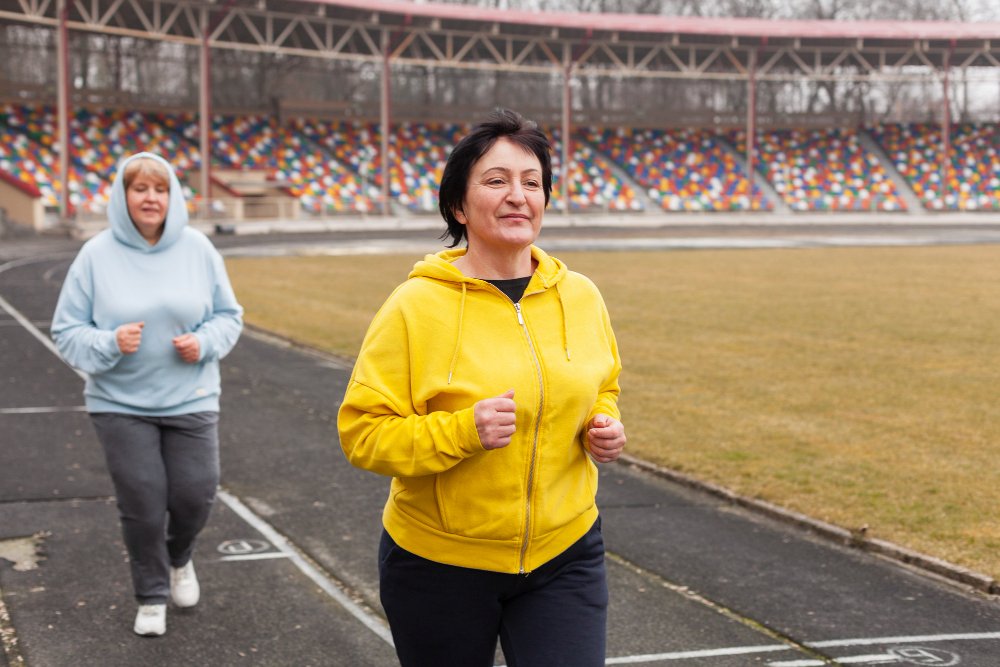
The path to becoming a runner doesn’t require a certain body type, perfect form, or elite athleticism. Running is for every body—literally. For overweight adults looking to start running, the journey begins not with speed or distance, but with understanding how to build a sustainable practice that honors where your body is right now while moving toward where you want it to be.
According to the Centers for Disease Control and Prevention, regular physical activity significantly reduces the risk of chronic diseases, improves mental health, and enhances overall quality of life. Running represents one of the most accessible forms of exercise, requiring minimal equipment and offering maximum flexibility. However, starting as an overweight adult requires specific considerations around joint health, cardiovascular conditioning, and realistic progression that differ from standard beginner programs.
Understanding the Reality: Why Body Weight Matters in Running
The biomechanics of running create impact forces of roughly 2.5 times body weight with each foot strike. This isn’t mentioned to discourage anyone, but rather to emphasize why proper preparation matters so much. When carrying extra weight, joints—particularly knees, hips, and ankles—experience significantly more stress during high-impact activities.
Research published by the American Council on Exercise demonstrates that gradual conditioning allows the musculoskeletal system to adapt and strengthen progressively. The connective tissues, including tendons and ligaments, need time to build resilience. Rushing this process increases injury risk substantially, which is why walk-run programs prove far more effective than jumping straight into continuous running.
The cardiovascular system also adapts at its own pace. Being overweight often correlates with lower baseline cardiovascular fitness, meaning the heart and lungs need gradual conditioning to handle the increased demands of running. Starting too aggressively can lead to discouragement, excessive fatigue, or worse—injuries that derail progress entirely.
Medical Clearance: The Non-Negotiable First Step
Before beginning any running program, consulting with a healthcare provider becomes essential, especially for adults carrying extra weight or those with existing health conditions. The American Heart Association recommends medical evaluation before starting vigorous exercise programs, particularly for individuals with risk factors including obesity, high blood pressure, or family history of heart disease.
During this consultation, discussing specific concerns helps create a safer foundation. Topics should include cardiovascular health, joint conditions like arthritis, any history of injuries, blood pressure levels, and diabetes or prediabetes status. Some healthcare providers may recommend additional assessments such as stress tests or physical therapy evaluations to identify potential limitations.
This medical clearance isn’t bureaucratic red tape—it’s protective insurance. Understanding any existing conditions allows for program modifications that work with your body rather than against it. Some individuals might need to start with walking-only programs before introducing running intervals, while others may receive clearance to begin run-walk protocols immediately.
The Foundation Phase: Building Your Walking Base (Weeks 1-4)
The most successful running programs for overweight adults don’t actually start with running at all. They begin with consistent walking that builds aerobic capacity, strengthens supporting muscles, and allows joints to adapt to regular impact.
During this foundation month, the goal centers on establishing a regular exercise habit with 4-5 walking sessions weekly. Each session should last 20-30 minutes at a comfortable, conversational pace. The National Institute of Health research supports that this frequency and duration provides cardiovascular benefits while remaining manageable for most beginners.
Proper walking form matters more than most people realize. Keeping shoulders relaxed, maintaining an upright posture, engaging the core gently, and allowing arms to swing naturally all contribute to efficiency and injury prevention. Footstrike should land beneath the body rather than reaching forward with each step, which reduces braking forces and decreases stress on joints.
Investing in quality walking shoes during this phase pays dividends later. Specialty running stores often provide gait analysis and fitting services, helping identify whether feet pronate (roll inward), supinate (roll outward), or maintain neutral positioning. Proper shoe selection based on individual biomechanics significantly reduces injury risk as intensity increases.
The Essential Gear: Investing Wisely Without Overspending
Running requires remarkably little equipment compared to many sports, but the right gear makes the experience significantly more comfortable and sustainable. The most critical investment focuses on footwear designed specifically for running rather than cross-training or general athletic shoes.
As mentioned, professional fitting at specialty running retailers provides tremendous value. Staff members trained in gait analysis can observe walking and running patterns, then recommend shoes that support individual mechanics. For heavier runners, shoes with additional cushioning and stability features often prove beneficial, though individual needs vary considerably.
Moisture-wicking clothing prevents chafing and discomfort that can sabotage runs. Cotton retains sweat and creates friction, while technical fabrics designed for running pull moisture away from skin. For larger bodies, properly fitted athletic wear that doesn’t ride up, dig in, or create uncomfortable rubbing zones makes the difference between enjoyable runs and miserable experiences.
Additional helpful items include a supportive sports bra for women (often requiring higher-impact ratings for larger cup sizes), body glide or similar anti-chafing products for areas prone to friction, a running belt or armband for carrying essentials like phones and keys, and eventually a simple running watch or app to track progress without obsessing over data.
The Walk-Run Protocol: Your 12-Week Progressive Plan
The following program assumes medical clearance and completion of the four-week walking foundation phase. Progression remains conservative, prioritizing consistency over speed. Each week includes 3-4 running days with at least one rest day between sessions.
Weeks 1-2: Introducing Running Intervals
Begin each session with a 5-minute easy walk as warm-up. Then alternate 1 minute of easy jogging with 2 minutes of walking, repeated 6-8 times. Finish with a 5-minute cool-down walk. Total session time runs approximately 25-30 minutes.
The jogging pace should feel gentle—slow enough to maintain conversation if needed. This isn’t about speed; it’s about conditioning the body to handle brief running intervals without overwhelming stress. According to research from Runner’s World, this interval approach builds running capacity more effectively than trying to maintain continuous running before the body is ready.
Weeks 3-4: Extending Running Intervals
After the 5-minute walking warm-up, increase running intervals to 90 seconds while reducing walking recovery to 90 seconds. Complete 8-10 intervals. Cool down with 5 minutes of easy walking. Sessions extend to 30-35 minutes total.
Many runners find this phase challenging as running and walking intervals equalize. The temptation to push harder arises, but maintaining easy effort levels remains paramount. Building aerobic base happens at conversational paces, not through intensity.
Weeks 5-6: Shifting the Run-Walk Ratio
Progress to 2-minute running intervals with 1-minute walking breaks. Complete 8-10 intervals between the warm-up and cool-down walks. Total session time reaches 30-35 minutes.
At this point, running comprises more time than walking during the interval portion. Bodies adapted through the previous weeks should handle this shift, though some individuals may need to repeat earlier weeks if excessive fatigue or discomfort arises. Adaptation happens at individual rates—rushing serves no beneficial purpose.
Weeks 7-8: Introducing Longer Running Segments
Begin with the 5-minute walking warm-up, then alternate 3 minutes of running with 1 minute of walking. Complete 6-7 intervals before the 5-minute cool-down walk. Sessions run 35-40 minutes.
These longer running intervals challenge both physical conditioning and mental endurance. Breaking runs into manageable chunks with brief recovery walks remains highly effective, even for advanced runners using different training methods. The American College of Sports Medicine research confirms that interval training provides excellent cardiovascular benefits while reducing injury risk compared to continuous high-intensity efforts.
Weeks 9-10: Building Continuous Running Capacity
After warm-up, run for 5 minutes, walk for 1 minute, and repeat this pattern 5-6 times. Cool down with a 5-minute walk. Total time extends to 40-45 minutes.
This phase marks a significant milestone—running for 5 continuous minutes becomes achievable for most participants following the progressive plan. Celebrating these accomplishments matters. Running as an overweight adult requires overcoming not just physical challenges but also mental barriers and societal biases about who “looks like” a runner.
Weeks 11-12: Extending Continuous Running
Progress to 8-minute running intervals with 1-minute walking breaks. Complete 4-5 intervals with warm-up and cool-down walks. Sessions last 45-50 minutes.
By week twelve, many participants can string together 8-minute running segments comfortably. Some may feel ready to attempt longer continuous runs, while others benefit from maintaining this structure. Neither approach is superior—individual response determines the best path forward.
Recovery and Rest: The Often-Overlooked Essentials
Progress happens during recovery, not during the workouts themselves. Exercise creates stress that breaks down muscle tissue slightly and depletes energy stores. The body adapts by rebuilding stronger during rest periods, but only when given adequate recovery time.
For runners carrying extra weight, recovery becomes even more critical due to increased joint stress. Rest days should include zero running, though gentle activities like walking, swimming, or yoga can support recovery without hindering it. The Mayo Clinic emphasizes that rest days reduce injury risk and prevent overtraining syndrome.
Sleep quality directly impacts recovery capacity. Aiming for 7-9 hours nightly supports muscle repair, hormone regulation, and energy restoration. Poor sleep undermines training adaptations and increases injury susceptibility regardless of how perfect the running program might be.
Nutrition plays a recovery role as well. Adequate protein intake supports muscle repair, while sufficient carbohydrates replenish glycogen stores. Hydration affects nearly every bodily function, including recovery processes. Rather than following trendy diet protocols, focusing on whole foods, appropriate portions, and consistent meal timing creates a sustainable foundation.
Nutrition Considerations: Fueling Your Running Journey
The relationship between running, weight, and nutrition proves more complex than simple calorie mathematics. While creating a modest calorie deficit can support weight loss, severe restriction undermines training quality, slows recovery, and increases injury risk.
Running burns approximately 100 calories per mile for many people, though this varies based on weight, pace, and efficiency. The temptation to exercise more while eating less becomes strong, but this combination often backfires. The body needs adequate nutrition to support new training demands, and underfueling leads to fatigue, poor performance, and potential health complications.
Focusing on nutrient density rather than calorie counting often produces better results. Prioritizing vegetables, fruits, whole grains, lean proteins, and healthy fats provides the vitamins, minerals, and macronutrients bodies need to adapt to running. Processed foods high in sugar and low in nutrients offer little beyond temporary energy spikes followed by crashes.
Pre-run and post-run nutrition timing matters more as running volume increases. Having a small, easily digestible snack 30-60 minutes before running can improve energy levels and performance. Eating within an hour after running, particularly something combining carbohydrates and protein, supports recovery. These strategies become increasingly important as session duration extends beyond 45 minutes.
Common Challenges and Practical Solutions
Challenge: Joint Pain or Discomfort
Mild muscle soreness differs from joint pain. While muscles may feel fatigued after runs (especially initially), joints should not hurt acutely. Persistent joint pain signals the need for evaluation, potentially requiring modifications like returning to earlier program weeks, incorporating more walking, trying different running surfaces (grass or tracks rather than concrete), or consulting a physical therapist.
Challenge: Breathing Difficulties
Feeling breathless during initial running attempts is completely normal. The cardiovascular system needs time to adapt. Slowing the running pace significantly—even to barely faster than a walk—allows breathing to become more controlled. Using a talk test helps gauge appropriate effort: the ability to speak in short sentences indicates sustainable pace, while gasping suggests backing off intensity.
Challenge: Chafing and Skin Irritation
Friction between skin folds, clothing, or both creates painful chafing that can make running miserable. Prevention strategies include anti-chafing products applied to vulnerable areas, properly fitted moisture-wicking clothing without irritating seams, and body-specific solutions like longer shorts to prevent inner thigh friction or supportive undergarments.
Challenge: Self-Consciousness
Running in public as a heavier person can feel intimidating given societal biases and unrealistic athletic stereotypes. Remember that most people are too focused on their own concerns to judge others. Finding supportive running communities, either local groups specifically for plus-size runners or online communities, provides encouragement and solidarity. Early morning or evening runs when fewer people are around can help build confidence initially.
Challenge: Slow Pace
Speed matters far less than consistency, especially during the first year of running. A 15-minute mile counts exactly as much as an 8-minute mile for building fitness and enjoying running’s benefits. Comparing pace to other runners serves no beneficial purpose—individual progress is the only relevant metric.
Injury Prevention: Protecting Your Running Future
Statistics indicate that 50-75% of runners experience injuries annually, with beginners at particularly high risk. However, most running injuries are preventable through smart training practices and attention to warning signs.
Gradual progression stands as the single most important injury prevention strategy. The 10% rule—increasing weekly mileage or time by no more than 10% per week—provides a useful guideline, though conservative runners might progress even more slowly. Bodies need time to adapt to new stresses, and patience during early months prevents setbacks that could derail progress for weeks or months.
Strength training supports running by building muscular support around joints and improving overall body mechanics. Focusing on exercises targeting glutes, quadriceps, hamstrings, calves, and core muscles creates better running economy and reduces injury risk. Simple bodyweight exercises performed 2-3 times weekly provide substantial benefits without requiring gym memberships or complex equipment.
Cross-training through low-impact activities like cycling, swimming, or elliptical work maintains cardiovascular fitness while reducing repetitive stress on the same joints and muscles. Substituting one running day weekly with cross-training can extend running longevity significantly, especially for heavier athletes whose joints handle greater forces.
Listening to body signals prevents minor issues from becoming major injuries. Understanding the difference between normal training discomfort and pain indicating potential injury is crucial. Persistent pain that doesn’t improve with rest, pain that worsens during runs, sharp stabbing sensations, or pain that alters gait all warrant professional evaluation before continuing training.
The Mental Game: Mindset for Long-Term Success
Physical preparation represents only part of becoming a runner. The mental aspects—motivation, resilience, self-compassion, and patience—often determine who continues running long-term versus who stops after a few weeks.
Setting process goals rather than outcome goals creates more sustainable motivation. Instead of fixating on losing a specific amount of weight or running a particular race time, focusing on showing up for scheduled runs, completing the program week by week, or running consistently for three months emphasizes actions within direct control. These process achievements build confidence and create momentum regardless of scale fluctuations or pace variations.
Recognizing that progress isn’t linear helps manage expectations. Some runs feel strong and energizing, while others feel difficult from the first step. Week-to-week fitness improves even when individual sessions vary wildly in how they feel. External factors like sleep quality, stress levels, nutrition, weather, and dozens of other variables affect performance day to day.
Practicing self-compassion when facing setbacks, skipped runs, or perceived failures matters tremendously. Missing a workout or needing to repeat a training week doesn’t indicate failure—it demonstrates responsiveness to body needs and commitment to long-term sustainability over short-term adherence. The runners who last decades are those who can adapt plans when necessary without guilt or shame.
Finding intrinsic motivation beyond weight loss sustains running after initial pounds shed or when weight loss plateaus. Discovering enjoyment in morning solitude, stress relief, mental clarity, improved sleep, social connections through running communities, or simple pride in physical capability creates purpose that outlasts aesthetic goals.
Progress Tracking: Measuring Success Beyond the Scale
While many overweight adults begin running partly for weight management, relying solely on scale weight to measure progress sets up frustration and potential discouragement. Body composition changes don’t always reflect immediately in pounds lost, and running’s benefits extend far beyond weight.
Tracking performance metrics provides tangible evidence of improvement. Recording distances covered, run-walk ratios, heart rate recovery, or simply how runs feel over time demonstrates progress even when weight remains stable. Noting that Week 1’s challenging 1-minute running intervals become Week 8’s easy warm-up reveals remarkable adaptation.
Non-scale victories deserve celebration and attention. Sleeping better, having more daytime energy, managing stress more effectively, improving resting heart rate, reducing blood pressure, climbing stairs without breathlessness, or feeling genuinely excited about runs all indicate meaningful health improvements worth acknowledging.
Progress photos, while optional, sometimes reveal body composition changes that scales miss. Muscle gain and fat loss can occur simultaneously, particularly during the first year of training, creating visible changes without significant weight shifts. Some runners prefer measurements of waist, hips, or other areas as alternative tracking methods.
Most importantly, developing consistent identity as a runner—someone who runs regularly regardless of pace or distance—represents perhaps the most significant progress possible. This identity shift from “trying running” to “being a runner” creates lasting behavior change that sustains activity long-term.
Building Community and Finding Support
Running solo works wonderfully for many people, but connecting with others who understand the journey can provide invaluable support, motivation, and accountability. Various options exist for finding community at different comfort levels.
Local running stores often host group runs welcoming all paces and body types. These social runs emphasize community over competition, with groups frequently dividing by pace to ensure everyone finds comfortable partners. Staff members can recommend beginner-friendly groups specifically.
Online communities dedicated to plus-size runners, beginner runners, or both provide encouragement without requiring in-person attendance. Social media platforms host numerous groups where members share experiences, celebrate victories, troubleshoot challenges, and offer mutual support. The anonymity option can feel safer initially for those feeling self-conscious.
Couch to 5K programs, both virtual and in-person, bring together beginners following similar progressive plans. Training alongside others at similar fitness levels normalizes the walk-run approach and challenges that arise during early running months. Many cities offer formal programs through running clubs or community recreation departments.
Accountability partners—whether fellow beginners, supportive friends, or family members—help maintain consistency when motivation wanes. Scheduling runs together, checking in about completed workouts, or simply sharing progress creates external commitment that bolsters internal motivation during difficult phases.
Comparison Table: Traditional Running Programs vs. Modified Plans for Overweight Adults
| Program Aspect | Traditional Beginner Plans | Modified Plans for Overweight Adults |
|---|---|---|
| Initial Phase | Start with short continuous runs (10-20 minutes) | Begin with walking-only foundation (4 weeks) before introducing running |
| Progression Rate | Progress weekly, often doubling run time quickly | Conservative progression with 2-week phases and smaller increments |
| Run-Walk Ratio | May skip walk breaks or eliminate them quickly | Maintains walk breaks throughout 12-week program and beyond as needed |
| Weekly Frequency | Often suggests 5-6 running days weekly | Recommends 3-4 running days with mandatory rest days between |
| Intensity Focus | May emphasize pace improvement early | Prioritizes consistency and gradual volume increase over speed |
| Strength Training | Mentioned as optional | Emphasized as essential for joint protection and injury prevention |
| Recovery Emphasis | Basic rest day recommendations | Detailed attention to recovery strategies, sleep, and nutrition |
| Medical Clearance | Suggested for those over 40 or with conditions | Strongly recommended for all participants before starting |
| Equipment Guidance | Basic running shoe recommendations | Extensive focus on proper fitting, gait analysis, and anti-chafing products |
| Timeline to 30 Minutes | Often 6-8 weeks | Typically 12-16 weeks or longer as needed |
When to Consider Professional Guidance
While the program outlined above provides a solid foundation for most overweight adults beginning running, some situations warrant professional support from coaches, physical therapists, or exercise physiologists.
Working with a running coach who has experience with larger-bodied athletes can provide personalized programming that accounts for individual factors like current fitness level, past injuries, specific goals, and available time. Coaches offer accountability, motivation during difficult phases, and expertise in adjusting plans based on response to training.
Physical therapy becomes valuable when pre-existing joint issues, past injuries, or biomechanical concerns exist. A physical therapist can assess movement patterns, identify potential problem areas, prescribe specific strengthening exercises, and modify the running program to accommodate individual limitations safely.
Exercise physiologists or personal trainers with running specialization can create comprehensive programs integrating running with strength training, flexibility work, and cross-training activities. This holistic approach addresses overall fitness while supporting running-specific goals.
Frequently Asked Questions
Can overweight people safely run, or should they lose weight first through other activities?
Overweight individuals can absolutely run safely when following appropriately progressive programs that allow gradual adaptation. The notion that weight loss must precede running perpetuates harmful gatekeeping. However, starting with walk-run programs rather than continuous running, obtaining medical clearance, investing in proper footwear, and progressing conservatively are all crucial. Some individuals may need to begin with walking-only programs or low-impact activities if joint issues exist, but body size alone doesn’t preclude running.
How much weight can someone expect to lose from this 12-week running program?
Weight loss varies tremendously based on starting weight, dietary patterns, genetics, hormones, sleep quality, stress levels, and dozens of other factors. Some people lose 10-15 pounds during the first 12 weeks while others lose very little scale weight despite improving body composition significantly. Focusing on performance improvements, health markers like blood pressure or resting heart rate, and how clothes fit provides more reliable progress indicators than scale weight alone. Running burns calories and can support weight management, but it’s not a guaranteed weight-loss solution.
What should someone do if they experience knee pain when starting to run?
Knee pain requires careful evaluation. Mild, general soreness that improves with rest might indicate normal adaptation, but persistent, localized pain warrants professional assessment. Immediate steps include reducing or eliminating running temporarily, returning to walking-only, icing the area after activity, and ensuring proper footwear. If pain continues despite these modifications, seeing a sports medicine doctor or physical therapist helps identify the specific issue. Common causes include patellofemoral pain syndrome, IT band syndrome, or runner’s knee, most of which respond well to appropriate treatment and gradual return to running.
Is it better to run on a treadmill or outdoors when beginning as an overweight runner?
Both options offer distinct advantages. Treadmills provide controlled environments with cushioned surfaces, climate control, and the ability to precisely manage pace and incline. They can feel less intimidating for those self-conscious about running publicly. Outdoor running offers varied terrain that strengthens stabilizing muscles, fresh air and natural scenery that many find motivating, and no gym membership requirements. Most successful runners eventually incorporate both, but starting with whichever feels more accessible and sustainable matters most.
How long should someone stay at each phase if they’re struggling with the progression?
Absolutely no timeline requirements exist for moving through the program phases. If a particular week feels too challenging—causing excessive fatigue, pain, or inability to complete the sessions—repeating that week or even returning to the previous phase makes complete sense. Some individuals might spend two or three weeks at each phase, while others might need longer. The goal is building sustainable running capacity, not adhering rigidly to an arbitrary schedule. Bodies adapt at individual rates, and honoring that reality prevents injuries and burnout.
What’s the best time of day to run for someone just starting out?
The best time is whatever time allows for consistency. Some people love morning runs before daily responsibilities accumulate, finding they boost energy for the entire day. Others prefer evening runs as stress relief after work. Midday runs work for those with flexible schedules. Factors to consider include temperature (avoiding extreme heat or cold when possible), personal energy patterns (morning person versus night owl), when the stomach feels settled enough to exercise, and scheduling realities. Experimenting with different times can reveal personal preferences, but consistent timing—whatever that time might be—helps establish habit.
Should beginners use running apps or GPS watches to track their progress?
Tracking tools can provide helpful feedback and motivation, but they’re not essential initially. Many successful runners begin with simple time-based programs using a basic watch or phone timer to track intervals. Once running becomes a consistent habit, adding apps that track distance, pace, and routes can be interesting and motivating. However, obsessing over data before establishing basic fitness can be counterproductive, leading to pushing too hard too soon or feeling discouraged by slower paces. Starting simple and adding tracking tools gradually as curiosity develops often works well.
Can someone follow this program if they have arthritis or other joint conditions?
Joint conditions require individualized approaches developed with healthcare providers. Some people with arthritis run successfully with appropriate medical management, while others need to focus on lower-impact activities. Factors include which joints are affected, severity of the condition, current pain levels, and medical recommendations. Many people with osteoarthritis in knees or hips can engage in progressive running programs, though they might need longer adaptation periods, more conservative progression, or additional recovery time. The walk-run approach often works well because walking intervals provide recovery without complete rest. Always consult with a rheumatologist or sports medicine doctor before beginning.
Conclusion: Embracing the Journey Beyond the Program
Completing a 12-week beginner running program represents an extraordinary achievement, but it marks a beginning rather than an ending. The real transformation isn’t about reaching a specific distance or pace—it’s about discovering sustainable enjoyment in regular movement and building identity as someone who runs.
The weeks and months following this initial program open countless possibilities. Some runners choose to continue with comfortable run-walk combinations indefinitely, finding that mix provides the perfect balance of challenge and sustainability for their bodies. Others gradually extend continuous running segments until completing 20, 30, or 40 minutes without walk breaks feels manageable. Neither path is superior; individual preference, goals, and body response should guide decisions.
Setting new challenges after completing the foundational program maintains motivation and progression. This might mean training for a local 5K race, exploring new running routes in different neighborhoods or parks, joining a running club to build community, increasing weekly running frequency, incorporating one slightly longer run weekly while maintaining shorter runs on other days, or adding variety through trail running or other terrain changes.
Remember that running as an overweight adult means challenging societal expectations about who runners “should” be. Every run defies stereotypes and expands the definition of what runners look like. The running community needs diversity in body types, abilities, and backgrounds—representation matters for the countless people who assume running isn’t “for them” because they don’t see bodies like theirs participating.
The relationship with running will evolve over time. Some phases bring excitement and rapid progress, while others feel stagnant or challenging. Injuries, life stress, schedule changes, and motivation fluctuations are all normal parts of a long-term running practice. The runners who continue for years or decades are those who can adapt to these changes with flexibility and self-compassion rather than rigid adherence to plans.
Weight may decrease, increase, or remain relatively stable as running continues. Bodies change in ways that scales don’t capture—improved cardiovascular efficiency, stronger muscles and bones, better insulin sensitivity, reduced inflammation, enhanced mental health, and improved sleep quality. These health improvements occur regardless of whether significant weight loss happens.
Perhaps most importantly, running provides regular time for mental processing, stress relief, meditation in motion, or simple joy in physical capability. These benefits grow with consistency, deepening over months and years of regular practice. The physical transformation matters, but the mental and emotional growth often proves more profound and lasting.
Every runner’s journey is unique, marked by individual challenges, victories, setbacks, and discoveries. Comparing progress or appearance to other runners serves no beneficial purpose. The only meaningful comparison is between your current self and who you were before taking that first walk, before completing that first running interval, before believing that running could be part of your life.
The program outlined here provides structure and progression, but running ultimately becomes what you make of it. Whether it evolves into a passionate hobby, a simple health practice, a social activity, or a personal meditation matters less than finding sustainability and enjoyment that keeps you moving consistently over time.
Starting is courageous. Continuing when it feels hard demonstrates resilience. Adapting when necessary shows wisdom. Celebrating every milestone—no matter how small it might seem—builds confidence and joy in the process. The path to becoming a runner doesn’t follow a straight line, and there’s no finish line where you suddenly “arrive.” You’re a runner the moment you commit to putting one foot in front of the other with intention and consistency.
Welcome to the running community. Your body, your pace, your journey—all worthy and valued exactly as they are right now.