

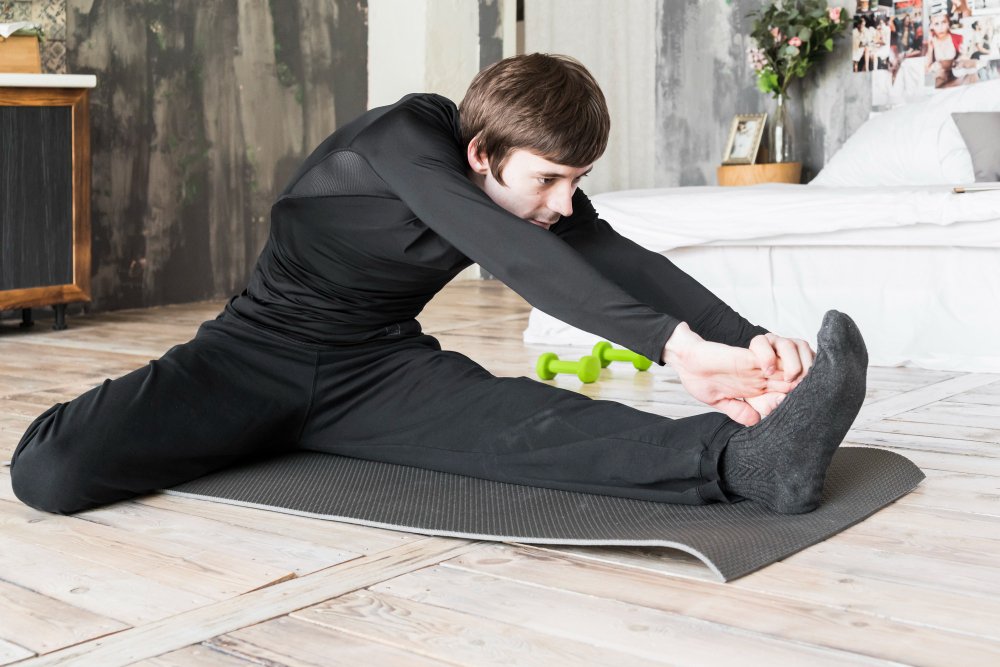
That familiar tug at the back of the thigh—whether after a long run, a heavy leg day, or simply hours spent at a desk—is a universal sign of hamstring tightness. For many, this tightness is more than a minor nuisance; it can limit movement, contribute to lower back pain, and even increase the risk of injury. While stretching is often the go-to solution, a more modern and profoundly effective tool has rolled into the mainstream: the foam roller.
This guide delves into a comprehensive foam rolling routine specifically designed for tight hamstrings. It moves beyond basic instructions to explore the science behind the tension, the art of effective release, and how to integrate this practice sustainably into daily life. The goal is not just temporary relief, but long-term improvement in mobility, performance, and comfort.
Understanding the Hamstring: More Than Just a “Tight Muscle”
To effectively address hamstring tightness, it helps to understand what you’re working with. The hamstring is not a single cord but a group of three muscles (the semitendinosus, semimembranosus, and biceps femoris) that run from the base of the pelvis (the ischial tuberosity, or “sitting bones”) down to just below the knee. Their primary jobs are to bend the knee and extend the hip. Tightness here can manifest as a feeling of stiffness, a pulling sensation when bending forward, or even a dull ache in the posterior thigh.
Tightness often arises from a combination of factors. Prolonged sitting, a common feature of modern life, places the hamstrings in a shortened position for hours, which can lead to adaptive shortening and reduced elasticity. According to a review in the Journal of Bodywork and Movement Therapies, this postural habit is a significant contributor to posterior chain dysfunction. Furthermore, muscle imbalances are frequently at play. Weak glutes can force the hamstrings to overwork during activities like running or lifting, leading to excessive tension and fatigue. This is often referred to as “gluteal amnesia,” a concept supported by research from institutions like the Mayo Clinic on the importance of hip stabilizers.
It’s also crucial to distinguish between general muscle tightness and a more acute strain or nerve-related issue, such as sciatica. If pain is sharp, shooting, or located very high near the gluteal fold, consulting a physical therapist or doctor is essential before beginning any self-massage regimen.
The Science of Self-Myofascial Release: Why Foam Rolling Works
Foam rolling falls under the category of self-myofascial release (SMR). “Myo” refers to muscle, and “fascia” is the dense, connective tissue web that surrounds and interpenetrates every muscle, bone, and organ in the body. When muscles are overused, injured, or immobilized, the fascia can become tight, restricted, and adhered to the underlying muscle tissue. This is a key source of that “knotty” feeling and restricted range of motion.
The mechanical pressure from a foam roller applies a shear force to these tissues, which is believed to help break up cross-linked adhesions and restore normal tissue glide. More immediately, rolling creates a neurological response. Pressure on sensitive “trigger points” can help inhibit the overactive muscle spindle cells, allowing the muscle to relax—a process known as autogenic inhibition. A study published in the International Journal of Sports Physical Therapy noted that foam rolling can lead to short-term increases in range of motion without negatively impacting muscle performance, making it an excellent pre-activity practice.
While the sensation can be intense, the outcome is a reduction in perceived muscle soreness and improved tissue elasticity. Think of it not as “smashing” a muscle, but as gently persuading a tense, knotted-up area to relax and lengthen.
Essential Tools: Choosing Your Foam Roller
Not all foam rollers are created equal, and the right choice can significantly impact your experience and results.
- High-Density Foam: These firm rollers offer a deep, consistent pressure. They are ideal for larger muscle groups like the hamstrings and quadriceps, providing effective release without collapsing under body weight.
- Textured Rollers (Grid, Knobbed, or Vibration): These feature raised surfaces or patterns designed to target knots more precisely. A grid roller can be highly effective for hamstrings, as the spaces between ridges allow for a more focused, massage-like pressure. Vibration-enhanced rollers add an oscillatory motion, which some studies, like those referenced by the American Council on Exercise, suggest may enhance range-of-motion benefits.
- Smooth Surface Rollers: Best for beginners or those with extreme sensitivity, they provide a gentler introduction to SMR.
- Alternative Tools: For more targeted work, a lacrosse ball or a dedicated muscle roller stick can be used to zero in on particularly stubborn areas within the hamstring.
For a balanced hamstring routine, a medium-to-high-density grid roller is often the most versatile and effective starting point.
The Step-by-Step Hamstring Foam Rolling Routine
This routine is designed to be thorough, safe, and progressive. Aim to spend 5-10 minutes on it, 3-5 times per week, or as needed after strenuous activity.
1. Preparation and Warm-Up (2-3 minutes):
Never roll cold muscles. Begin with light movement to increase blood flow. March in place, do 10-15 bodyweight squats, or cycle gently on a stationary bike for a few minutes. The goal is to create warmth in the tissues, making them more pliable and receptive to rolling.
2. General Hamstring Glide (2 minutes per leg):
Sit on the floor and place the foam roller under your mid-thigh, with your hands flat on the floor behind you for support. Cross one ankle over the opposite knee to increase pressure. Slowly roll from just above the back of the knee up towards the glute. Avoid rolling directly over the knee joint or the bony part of the sitting bones. Move at a slow, controlled pace—no faster than one inch per second. When you find a tender spot, pause and hold for 20-30 seconds, or take 5-6 deep breaths, allowing the muscle to soften. Complete 8-10 full passes.
3. Inner and Outer Hamstring Focus (90 seconds per side):
The hamstring group has medial (inner) and lateral (outer) components. To target the inner hamstrings, slightly rotate the leg inward as you roll. For the outer hamstrings (often particularly tight in runners), rotate the leg outward. Use the same slow, searching technique, pausing on areas of tension.
4. Isolated Trigger Point Release (1-2 minutes per spot):
Using a smaller tool like a lacrosse ball can be more precise. While seated in a chair, place the ball under your thigh. Find a tender point and apply steady pressure. For a deeper release, you can gently straighten and bend the knee while maintaining pressure on the ball. This technique, similar to “pin and stretch,” can be highly effective for breaking up adhesions.
5. Integration and Dynamic Stretching (2 minutes):
Immediately after rolling, your tissues are primed for lengthening. Follow up with dynamic movements that incorporate the newly gained range. Leg swings (forward-and-back and side-to-side) are perfect. Perform 10-15 swings per leg in each direction, focusing on a smooth, controlled motion. This teaches your nervous system to use the increased mobility actively.
Foam Rolling vs. Static Stretching: A Complementary Duo
A common question is whether to roll or stretch first, and the answer lies in understanding their different roles. Foam rolling is best viewed as a preparation tool. It addresses the tissue quality and “releases the brakes” created by tight fascia and trigger points. Static stretching, where you hold a lengthened position, then works to increase the muscle’s actual length and tolerance to stretch.
For optimal results, the sequence should be: Warm-Up → Foam Rolling → Dynamic Stretching → Activity. Post-activity or on recovery days, you can pair foam rolling with static stretching (like a gentle seated forward fold, held for 30 seconds) to aid in recovery and long-term flexibility gains. The National Academy of Sports Medicine outlines this integrated approach as a best practice for improving overall flexibility and joint range of motion.
The Comparative Toolbox: Choosing Your Recovery Method
| Method | Best For | Mechanism | Ideal Timing | Key Consideration |
|---|---|---|---|---|
| Foam Rolling (SMR) | Improving tissue quality, releasing myofascial tightness, reducing soreness. | Autogenic inhibition, breaking fascial adhesions. | Pre-workout (post warm-up) or on recovery days. | Avoid bony areas; roll slowly and pause on tender spots. |
| Static Stretching | Increasing muscle length and flexibility long-term. | Neurological adaptation, increasing stretch tolerance. | Post-workout or as a standalone session on rest days. | Never stretch cold; hold for 30+ seconds without bouncing. |
| Dynamic Stretching | Preparing muscles for activity, improving active range of motion. | Increasing blood flow, activating nervous system. | Pre-workout, after a general warm-up. | Keep movements controlled; mimic the upcoming activity. |
| Sports Massage | Deep-tissue work, addressing chronic issues, expert assessment. | Manual therapy, targeted soft tissue manipulation. | As needed, typically on recovery days. | Performed by a licensed professional; can be more intense. |
Common Mistakes and How to Avoid Them
- Rolling Too Fast: This is the most frequent error. Racing up and down the muscle doesn’t give the nervous system time to respond and allow the tissue to release. Slow down to a crawl.
- Direct Pressure on the Lower Back or Knees: The foam roller is for muscular tissue. Never roll directly on the lumbar spine (lower back) or the knee joint itself, as this can compress delicate structures.
- Holding Your Breath: Intense sensation can lead to breath-holding, which increases tension throughout the body. Focus on taking slow, deep breaths, especially when pausing on a tender point. The exhale is particularly powerful for promoting relaxation.
- “No Pain, No Gain” Mentality: While foam rolling should be uncomfortable on tight spots, it should not be excruciating. Pain that causes you to tense up is counterproductive. Reduce pressure by supporting more weight with your arms or uncrossing your legs.
- Neglecting Hydration: Fascia is hydrating-dependent. Dehydrated tissues are less pliable and more prone to adhesions. Ensure adequate daily water intake to support your mobility work, as general guidelines from resources like Harvard Health Publishing recommend.
Frequently Asked Questions (FAQ)
Q: How long does it take to see results from foam rolling tight hamstrings?
A: Immediate relief in terms of reduced “tightness” sensation is common after a single session due to the neurological relaxation response. Lasting changes in tissue length and flexibility, however, require consistency. Most people notice measurable improvements in range of motion (like being able to touch their toes more easily) within 2-4 weeks of a regular routine, performed 3-5 times per week.
Q: Can foam rolling help with hamstring flexibility for activities like touching my toes?
A: Absolutely. By addressing the fascial restrictions and reducing neural tension that limit movement, foam rolling can be a highly effective component of a flexibility program. For the best results, it should be combined with consistent static stretching after the muscles have been rolled and warmed.
Q: Is it better to foam roll before or after a workout?
A: Both have benefits, but for different reasons. Rolling before a workout (after a light warm-up) can improve tissue readiness and range of motion, potentially enhancing performance and reducing injury risk. Rolling after a workout is excellent for aiding recovery, reducing delayed onset muscle soreness (DOMS), and beginning the relaxation process for fatigued muscles.
Q: I feel a sharp, shooting pain when I roll a certain spot. What should I do?
A: Stop immediately. A dull, “good hurt” ache is normal; a sharp, electric, or radiating pain is not. This could indicate you are compressing a nerve, an inflamed tendon, or another structure. Avoid that specific area and consider consulting a physical therapist or sports medicine doctor for an assessment.
Q: How often should I perform this routine?
A: For general maintenance and addressing chronic tightness, 3-5 times per week is a good target. For acute soreness post-workout, daily rolling for a few days can be helpful. Listen to your body; it’s okay to take a day off if the muscles feel overworked or sensitive.
Conclusion
Tight hamstrings are rarely a problem with a single, simple cause, and thus they benefit from a multifaceted solution. A dedicated foam rolling routine is not a quick fix but a powerful practice of self-maintenance. It empowers you to take an active role in your musculoskeletal health, moving from a passive experience of discomfort to an active pursuit of resilience and ease.
By understanding the anatomy, respecting the science of the fascia, and applying the techniques with patience and consistency, you can transform the quality of the tissues at the back of your thigh. This transformation extends beyond the hamstrings themselves. It can lead to freer movement in daily life, more powerful and efficient athletic performance, and a significant reduction in the compensatory aches—often in the lower back and knees—that stem from hamstring tightness.
Start with the basic glide, invest in a quality roller, and commit to the process several times a week. Pair this release with strengthening exercises for your glutes and core to address the imbalance that often fuels the tension. Over time, you will likely find that the familiar tug of tightness becomes the exception rather than the rule, replaced by a newfound sense of suppleness and strength in your stride. The path to looser, healthier hamstrings is literally at your feet—all it requires is that you roll with it.